
Can Water Damage Leather? What You Should Know
Leather is celebrated for its durability, rich texture, and timeless appeal. Whether it forms the heart of your living room sofa, coats your favorite armchair, or lines the interior of your car, quality leather is built to last for decades. However, despite its rugged reputation, leather has a major vulnerability: moisture.
When a glass of water spills across a sofa cushion, or flooding introduces unexpected dampness into a home, quick action is required. Water can quietly ruin leather if it is left untreated. Understanding why water affects leather, how to identify early signs of damage, and what steps to take can save your valuable furniture and goods from permanent ruin.
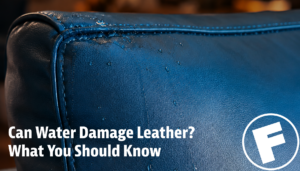
The Science of Water and Leather: Why Water Causes Damage
To understand how moisture harms leather, it helps to know how leather is made. Leather is an organic, porous material crafted from animal hide. During the tanning process, raw hides are treated to preserve the protein structure and retain natural oils. These essential oils keep the leather soft, pliable, and resistant to cracking.
When liquid touches leather, it penetrates the open pores. While wet, the leather may look dark, but the real damage happens as it dries. As moisture evaporates from the leather grain, it pulls those vital natural oils out along with it. Once the moisture is completely gone, the fibers lose their lubricated cushion. They stick together, shrink, and harden. Without those protective oils, the material becomes stiff, brittle, and highly susceptible to cracking, peeling, and permanent staining.
5 Warning Signs of Leather Water Damage
Not all issues are immediately obvious. Depending on the type of material and how long moisture sat on the surface, symptoms of leather water damage can range from subtle discoloration to severe structural breakdown.
1. Water Ring Stains and Tide Marks
When water pools on leather and slowly dries, it leaves behind a distinct line or ring along the edge of the puddle. These dark, tide-like marks occur because minerals in the water and displaced oils settle at the outer perimeter of the wet area.
2. Hard, Stiff, or Brittle Texture
This is the most common symptom seen in water damaged leather. As the internal oils evaporate, the leather fibers contract and tighten. What was once a soft, supple leather armchair can quickly turn stiff, papery, or rough to the touch.
3. Color Fading or Darkening
Water alters the dye inside leather. Unfinished or semi-finished leathers tend to absorb water instantly, causing dark blotches that may not fade evenly as the hide dries. On the flip side, excessive moisture can break down surface dyes, causing bleached spots or uneven patches.
4. Mold and Mildew Growth
Leather provides a nutrient-rich organic surface for mold spores. If damp leather is left in a humid environment or direct sunlight is blocked for more than 48 hours, white, green, or black mold spots will begin to develop. Mold leaves a musty odor and penetrates deep into the padding beneath furniture cushions.
5. Surface Cracking and Peeling
If stiff leather is sat on, stretched, or flexed after drying out, the tight fibers snap under pressure. This causes hairline surface cracks that can eventually widen into deep tears or cause topcoat peeling on finished leathers.
How Different Types of Leather React to Water
Not all leather responds to moisture in the same way. The finish applied during manufacturing determines how much protection the hide naturally possesses against spills and humidity.
| Leather Type | Porosity Level | Reaction to Water | Danger Level |
| Protected / Pigmented Leather | Low | Water beads up initially due to polymer coating; safe if wiped quickly. | Low to Moderate |
| Aniline Leather | High | Highly porous; absorbs water almost instantly, darkening the hide. | High |
| Semi-Aniline Leather | Medium | Light protective coat delays absorption briefly; stains if left unattended. | Moderate |
| Suede & Nubuck | Very High | Open nap absorbs water fast; causes matting, staining, and texture ruin. | Extreme |
| Faux / Synthetic Leather | Zero | Plastic surface repels water, but moisture trapped beneath can rot backing. | Low (Surface) |
Immediate Emergency Steps: What to Do When Leather Gets Wet
If a spill occurs or flooding impacts your furniture, speed is your best ally. Following these steps right away can help address leather furniture water damage before it becomes permanent.
Step 1: Blot, Do Not Rub
Grab a soft, dry microfiber cloth or towel. Gently press down on the wet area to absorb standing liquid. Never rub or drag the cloth back and forth across wet leather, as this can force water deeper into the pores and strip away surface dye.
Step 2: Remove Excess Moisture from Seams
Water easily collects along stitching, seams, and cushion crevices. Tuck dry towels deep into these areas to pull out trapped liquid before it seeps into the foam interior or underlying frame.
Step 3: Allow the Leather to Air-Dry Naturally
Keep the item in a well-ventilated room with cool, circulating air. Use floor fans or open windows to speed up evaporation.
Crucial Rule: Never use direct heat sources like hair dryers, space heaters, or direct sunlight to dry wet leather. High heat bakes the hide, causing rapid shrinkage, severe cracking, and permanent warping.
What Not to Do to Water Damaged Leather
When trying to save wet leather, well-meaning mistakes often cause more damage than the water itself. Avoid these common blunders:
- Do not use household cleaning detergents: Dish soap, bleach, and multi-purpose sprays contain harsh chemicals that alter the pH balance of leather, stripping remaining oils and damaging surface dyes.
- Do not apply heat to speed drying: Heat forces moisture out too rapidly, hardening the leather structural fibers beyond repair.
- Do not rub frantically with coarse paper towels: Paper towels can leave scratch marks on softened leather and break down into messy paper pulp.
- Do not apply conditioner to soaking wet leather: Conditioners are oil-based or emulsion-based products. Applying them while pores are full of water prevents the conditioner from penetrating, trapping excess moisture underneath.
Step-by-Step Guide: How to Restore Water Damaged Leather
Once the initial emergency phase has passed and the leather is dry (or nearly dry), you can begin the restoration process. Follow this straightforward routine to fix water damaged leather and return it to a soft, flexible state.
Phase 1: Re-Moisturizing with Mild Dampness (Lifting Water Rings)
If a water ring or stain has already formed on finished leather, a counter-intuitive trick can help blend the mark:
- Dampen a clean sponge with clean, room-temperature distilled water. Ensure the sponge is moist, not dripping wet.
- Lightly stroke outward from the center of the stain toward the nearest seam or edge, dampening the surrounding area evenly.
- This evens out the moisture gradient across the leather panel so that the edge of the original spot fades into the background as it dries naturally.
Phase 2: Deep Conditioning and Oil Replenishment
Restoring lost flexibility is the single most important step to restore water damaged leather.
- Choose a high-quality leather conditioner or cream designed specifically for your leather finish. Avoid cheap silicone-based or petroleum-heavy products.
- Test the conditioner on a small, hidden spot (like the back or underside of a sofa) to ensure it does not cause unwanted color changes.
- Apply a small amount of conditioner onto a clean microfiber pad or cloth.
- Work the product into the leather using gentle, circular motions. Focus heavily on areas that feel stiff or dry.
- Allow the conditioner to penetrate the pores for 1 to 2 hours.
- Buff the surface with a dry microfiber cloth to remove any excess residue and restore a soft sheen.
When DIY Isn’t Enough: Professional Leather Restoration
While light spills can often be handled at home, major water incidents require expert intervention. Flood recovery, burst plumbing pipes, or long-standing water saturation present complex challenges that standard consumer products cannot solve.
Signs You Need Professional Restoration
- The cushion foam underneath is soaked: Water that penetrates deep into furniture foam creates a breeding ground for hidden mold, bacteria, and persistent odors that surface conditioning cannot treat.
- Significant color loss or finish peeling: If the topcoat has flaked off or the color has washed away, professional re-dyeing and topcoat re-application are required.
- The leather has hardened like cardboard: Extremely stiff leather requires specialized penetrating oils and professional softening techniques to relax the leather fibers without snapping them.
- Widespread mold infestation: Mold remediation on natural hides requires professional-grade antimicrobial treatments that eliminate spores without ruining the integrity of the material.
Professional leather cleaning, protection, and restoration specialists possess the exact color matching systems, specialized conditioning agents, and structural repair techniques needed to revive pieces you thought were lost forever.
6 Practical Tips to Prevent Leather Water Damage
Taking proactive measures is far easier than trying to repair dried, cracked leather after an accident. Here is how you can prevent leather water damage and keep your furniture and items safe year-round.
- Apply a Quality Water and Stain Repellent
Protect your investment by treating leather with a breathable water-resistant shield. These protective treatments create an invisible barrier that causes liquids to bead up on the surface, giving you ample time to wipe away spills before absorption happens. - Maintain a Regular Conditioning Schedule
Condition your leather furniture every 6 to 12 months. Leather that is regularly nourished with protective oils is far less prone to absorbing liquids quickly compared to dry, neglected leather. - Position Furniture Away from Moisture Hazards
Keep leather sofas, chairs, and ottomans away from open windows, air conditioning units prone to dripping, and indoor plant pots that could overflow during watering. - Wipe Up Everyday Spills Instantly
Train household members to address spills immediately. Even a few drops of water left to sit overnight on aniline leather can leave a permanent mark. - Control Indoor Humidity Levels
Maintain relative humidity levels between 40% and 50% inside your home. Excessively humid air encourages mold growth on leather, while extremely dry air accelerates cracking. - Store Leather Items Correctly
Never store leather items in damp basements, uninsulated attics, or plastic bags. Plastic traps moisture against the surface, accelerating rot and mold development. Always store leather in breathable cotton covers in temperature-controlled spaces.
Protect and Restore Your Valuable Leather Today
Whether your leather furniture has suffered an accidental spill or needs a complete structural refresh after years of wear, professional care makes all the difference. Don’t let water stains or stiffness ruin your favorite leather sofa or armchair. Expert technicians can clean, protect, condition, and re-dye your leather, restoring its natural warmth, comfort, and elegance for years to come. Contact a certified local leather restoration specialist today to get a custom evaluation and bring your cherished pieces back to life.
Frequently Asked Questions
Q: Can water permanently damage leather furniture?
A: Yes, water can permanently damage leather if it strips out natural oils during evaporation, causing the leather fibers to shrink, harden, and crack. Extended moisture exposure can also lead to mold growth and permanent staining.
Q: How long does it take for wet leather to dry?
A: Wet leather typically takes between 12 to 24 hours to air-dry completely depending on humidity, airflow, and how deeply the water penetrated. It should always dry naturally at room temperature without direct heat.
Q: Will olive oil or baby oil fix water damaged leather?
A: No, you should never use household oils like olive oil or baby oil on leather. These oils do not evaporate properly, stay trapped in the pores, turn rancid over time, attract dirt, and can rot the natural fibers.
Q: How can I tell if my leather furniture has mold from water exposure?
A: Mold on leather usually appears as fuzzy white, greenish, or dark spots on the surface or along hidden seams. It is often accompanied by a distinct, damp musty smell coming from the cushions or frame.