
Antique Leather Chair Repair: Why Expertise Matters for Valuable Pieces
An antique leather chair is far more than a place to sit. It represents historic craftsmanship, enduring style, and often generations of personal memory. Whether it is an inherited Victorian armchair, an early 20th century club chair, or a rare mid century executive seat, vintage leather holds a character that modern mass produced furniture simply cannot replicate.
However, time, sunlight, ambient humidity, and natural wear take a toll on organic hide. Over decades, full grain hides dry out, crack, fade, and lose structural integrity. When a prized heirloom begins to show severe wear, homeowners face a critical decision. Attempting a quick fix with off the shelf store kits often causes permanent harm. Entrusting your furniture to seasoned leather restoration experts ensures that the piece retains its historic value, unique patina, and structural stability for decades to come.
Why Professional Restoration Outperforms DIY
When evaluating options for antique leather chair repair, understanding the difference between cosmetic masking and genuine preservation is vital.
- Preservation of Original Patina: True expert repair stabilizes damaged areas while retaining the deep color variation and historic character built over decades.
- Custom Color and Grain Matching: Professional technicians hand blend dyes and match grain patterns rather than applying thick, unnatural paint.
- Structural Fiber Protection: Specialized deep rehydration restores flexibility to dry hide without breaking down internal collagen fibers.
- Cost Effectiveness and Sustainability: Restoring existing hide costs a fraction of full reupholstery or replacement while keeping heirloom furniture out of landfills.
- Reversible Preservation Techniques: Proper conservation ensures future generations can maintain the piece without dealing with sticky residue or ruined leather.
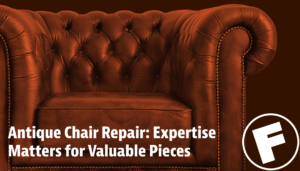
The Unique Characteristics of Antique Leather Furniture
To understand why specialized care is mandatory, it helps to examine how historic leather furniture was made compared to modern upholstered goods.
Vegetable Tanning vs Modern Chrome Tanning
Until the mid 20th century, most fine furniture leather was produced using vegetable tanning processes. This traditional method used natural plant tannins derived from tree bark, leaves, and roots to preserve animal hide. Vegetable tanned leather is famously durable, breathable, and capable of developing a rich, glowing patina as it ages.
However, vegetable tanned leather is exceptionally sensitive to moisture loss, acidic atmospheric conditions, and direct sunlight. Modern mass market leather, by contrast, is usually chrome tanned using chemical salts. Chrome tanned hide behaves completely differently under stress and responds to entirely different repair compounds. Applying modern synthetic care formulas to old vegetable tanned hide can trigger accelerated chemical breakdown.
Historic Construction and Internal Fillings
Antique seating relies on internal construction methods that require careful handling during any repair. Older armchairs feature:
- Hand tied steel coil springs bound with jute twine.
- Natural burlap webbing and heavy canvas under layers.
- Traditional stuffing materials such as horsehair, coconut fiber, or cotton felt.
When a technician works on vintage leather chair restoration, they must evaluate the entire assembly. Softening or patching surface leather without understanding the tension exerted by underlying springs and horsehair can pull the patch loose the moment someone sits down.
Common Types of Damage in Vintage and Antique Leather Seating
Over time, environmental exposure creates specific patterns of deterioration on antique leather seating. Identifying the exact nature of the damage is the first step toward choosing the correct repair protocol.
| Damage Type | Primary Cause | Professional Repair Approach |
| Surface Craquelure | UV light, dry room air | Penetrating conditioners and flexible dye |
| Deep Fiber Cracking | Complete oil depletion, oxidation | Sub-patching and flexible hide filler |
| Sun Fading and Bleaching | Sunlight exposure through windows | Hand blended re-pigmentation and UV topcoat |
| Seam Tension Splitting | Dry thread, foam or stuffing sag | Hand stitching with waxed linen thread |
| Surface Abrasion | Daily friction on arms and cushions | Micro-buffing, re-graining, and topcoat |
1. Desiccation and Craquelure
As leather loses its natural moisture and essential oils, the surface skin shrinks and hardens. This creates fine networks of hairline cracks known as craquelure. Left untreated, these minor surface fractures penetrate deeper into the hide matrix, eventually splitting open along stress points.
2. Red Rot (Acidic Degradation)
Red rot occurs when vegetable tanned leather absorbs acidic air pollutants or suffers extreme microclimatic shifts. The leather fibers break down chemically, turning into a powdery, reddish dust that loses all mechanical strength. Red rot cannot be reversed, but specialized leather conservation techniques can consolidate remaining fibers and arrest further decay.
3. Color Fading and UV Damage
Ultraviolet radiation breaks down aniline dyes and surface finishes. An antique chair placed near a sunny window often exhibits severe fading on the armrests and back cushion. Restoring color to aged aniline leather requires hand glazing and custom staining to match shaded, protected areas of the chair.
4. Stress Tears and Puncture Holes
Occasional mishaps, pet claws, or sharp belt buckles cause physical punctures and tears. Because aged leather hide is brittle around damaged edges, simply gluing a tear from the outside creates a stiff, unsightly ridge that fails under sitting weight.
Why DIY Methods Risk Destroying Historic Leather
When faced with a scuffed or cracked seat, many homeowners turn to quick home remedies or retail store patch kits. Unfortunately, these short term fixes almost always cause severe, long term damage to valuable antiques.
The Danger of Home Remedies
- Olive Oil and Household Oils: While applying vegetable or olive oil might temporarily darken dry leather, these non-drying food oils oxidize quickly. They go rancid inside the leather grain, attract dirt, release unpleasant odors, and permanently weaken the hide structure.
- Shoe Polish and Boot Wax: Shoe polishes contain heavy solvents and hard paraffin waxes designed for rigid boot leather, not supple furniture. They coat the surface in a greasy film that rubs off onto clothing and clogs the pores of the leather, preventing necessary breathing.
- Silicone Based Conditioners: Many mass market aerosol leather conditioners contain silicone. Silicone creates a temporary shine, but it penetrates deep into the leather pores and prevents future repair compounds, adhesives, or dyes from adhering to the surface.
Why Off the Shelf Repair Kits Fail
Standard DIY leather repair kits include small tubs of vinyl paste, generic color pots, and textured grain papers. These materials are formulated for modern synthetic vinyl or heavily coated split leather.
When applied to a fine antique leather chair:
- The plastic patches do not stretch: Antique leather flexes when sat upon. Rigid DIY fillers pop loose or tear adjacent fragile hide.
- Color matching is nearly impossible: Pre-mixed colors look artificial against aged leather patina.
- Heat cure irons burn fragile hide: Many retail kits require hot irons to cure the compound, which scorches vintage, heat-sensitive leather.
Core Principles of Professional Leather Care
Restoring valuable furniture through high-end furniture repair demands a balanced philosophy that respects history while ensuring everyday usability. Experienced specialists rely on precise principles designed to protect the integrity of your investment.
1. Reversibility and Preservation
Wherever possible, professional conservators use stable, non-toxic compounds that do not permanently alter the underlying leather substrate. If future generations need to perform maintenance, current repairs should be removable without destroying original fibers.
2. Retaining Patina vs Erasing History
A century-old leather club chair should not look like it was purchased yesterday from a modern showroom. True value lives in the gentle wear patterns, deep amber highlights, and natural character marks accumulated over time. Specialists focus on hiding damage while retaining authentic age highlights.
3. Structural Stabilization from Within
A durable repair strengthens leather from the underside rather than merely masking surface defects. Technicians insert thin, flexible reinforcement backings beneath tears, distributing seating pressure across sound hide rather than relying solely on surface glue.
The Professional Leather Restoration Process Explained
When you hire a premium furniture repair service, your furniture undergoes a disciplined, step by step restoration journey tailored to its specific hide type and condition.
- Comprehensive Diagnostics: A technician evaluates tanning type, finish type, core pH levels, and internal padding condition.
- Gentle Surface Decontamination: pH-balanced, non-ionic cleansers lift ground-in dirt out of microscopic pores without stripping natural oils.
- Deep Rehydration and Fiber Conditioning: Emulsified oils absorb deeply into stiff collagen fibers, restoring natural flex without making the leather spongy.
- Sub-Patching and Micro-Filling: A strong micro-thin woven backing material is inserted beneath tears, followed by breathable, water-based grain fillers to smooth deep crevices.
- Custom Pigment Blending and Glazing: Technicians hand-mix translucent leather pigments and dyes, applying thin layers to build depth and match subtle color variations.
- Protective Topcoat and Sheen Matching: A protective, breathable topcoat seals the dye against UV fading, body oils, and spill stains while matching the natural luster of surrounding leather.
Comparing Options: Repair vs Reupholstery vs Replacement
Homeowners often wonder whether to repair the original hide, completely reupholster the chair with new leather, or buy a new piece of furniture. Here is how those choices compare in cost, preservation, and overall value.
| Feature | Professional Restoration | Complete Reupholstery | Buying New Replacement |
| Historical Value | Preserved 100% | Significantly Reduced | Lost Entirely |
| Original Patina | Maintained and Stabilized | Lost Completely | N/A (Factory Uniformity) |
| Structural Authenticity | Unaltered Original Frame | Frame Re-covered | Modern Mass Production |
| Cost Range | Budget-Friendly (Fraction of new) | Expensive (High Labor and Material) | Very High for Equivalent Quality |
| Environmental Impact | Near Zero Landfill Waste | Moderate Waste | High Resource Extraction |
| Service Convenience | Often Done On-Site at Home | Takes Weeks at Workshop | Delivery Lead Times |
Why Preserving Original Hide Triumphs
Replacing original leather with new leather strips away a chair’s historical soul and reduces its appraisal value on the antique market. Reupholstering also requires completely tearing down hand-sewn button tufting, brass tack trim, and original internal fillings. Restoring existing hide preserves provenance while delivering a refreshed, functional seat at a lower cost.
On-Site Mobile Service: Modern Convenience for Valued Heirloom Pieces
Moving a heavy, fragile antique chair to an off-site upholstery shop carries real risk. Wooden frames can break during transport, carved accents can chip, and delicate, dry leather can tear under heavy tie-down straps.
Modern specialized mobile restoration services eliminate these risks by bringing expert care directly to your residence.
Key Advantages of Mobile On-Site Repair
- Zero Transportation Risk: Your valuable antique never leaves your climate-controlled living space, eliminating shipping damage and transit stress.
- Immediate Quality Verification: You can observe the technician at work, review color blending options under your home’s natural lighting, and verify finish quality firsthand.
- Fast Turnaround: While traditional upholstery shops keep furniture for weeks or months, on-site mobile restoration completes most repair projects in a single day.
- Convenient Scheduling: On-site services adapt to your daily routine, minimizing household disruption.
Environmental Benefits: Sustainable Luxury Through Restoration
Choosing to restore vintage furniture is one of the most eco-friendly decisions a homeowner can make. The modern furniture industry generates millions of tons of waste annually, with worn leather couches and cracked chairs filling local landfills.
Supporting the Circular Economy
Refurbishing damaged leather extends the life of existing raw materials. Animal hides require significant energy, water, and processing resources to produce. Preserving high quality leather crafted decades ago respects those resources while avoiding the environmental impact associated with manufacturing and shipping new furniture across global supply chains.
How to Maintain Restored Antique Leather
Once your chair has been professionally restored, establishing a simple, consistent maintenance routine keeps the hide soft, vibrant, and protected for years.
Daily and Monthly Care Practices
- Dust Regularly: Use a dry, soft microfiber cloth to wipe dust from leather surfaces weekly. Dust particles act like tiny abrasives when pressed into leather grain by sitting weight.
- Keep Away from Direct Heat: Position antique seating at least two feet away from heating vents, radiators, fireplaces, and direct sunlight. Heat accelerates oil evaporation and causes premature cracking.
- Condition Every 6 to 12 Months: Apply a high quality, solvent-free leather conditioner recommended by your restoration technician. Avoid over-conditioning, which can oversaturate hide fibers and attract surface grit.
- Wipe Spills Instantly: If liquids spill on the chair, blot them immediately with a clean, dry cloth. Never rub vigorously, as friction can dull surface dyes or force moisture deep into raw hide pores.
Protecting Your Investment
- Antique leather requires specialized care: Standard modern cleaning chemicals and DIY kits contain solvents that permanently ruin aged hide fibers.
- Patina is valuable: Expert restoration stabilizes cracks, rips, and color fading while retaining the authentic age highlights that give antique furniture its worth.
- Mobile service minimizes risk: On-site restoration eliminates shipping stress, transit damage, and long turnaround times.
- Restoration saves money and the environment: Refurbishing original hide costs a fraction of full reupholstery or replacement, making it a smart financial and eco-conscious choice.
Restore Your Cherished Leather Pieces with Trusted Experts
Your antique leather seating represents history, style, and personal comfort. Do not let cracked hide, faded color, or minor tears compromise the value of your heirloom furniture.
Whether you need deep fiber rehydration, subtle color glazing, or seamless structural repair, working with dedicated specialists ensures outstanding results tailored to your piece. Protect your investment, preserve rich historic character, and enjoy your favorite seat for generations to come.
Contact a local certified mobile leather restoration specialist today to request an estimate and discover how easy it is to bring your cherished furniture back to life.
Frequently Asked Questions
Q: How do I know if my antique leather chair should be repaired or completely reupholstered?
A: If the original leather hide is still structurally sound despite surface cracks, fading, or minor tears, professional repair and restoration is always the best path. Restoration preserves original patina, historic value, and character at a fraction of the cost of total reupholstery. Complete reupholstery is only necessary when hide fibers have rotted entirely across large sections of the frame.
Q: Will repairing my antique leather chair ruin its patina and resale value?
A: No, professional restoration enhances both beauty and value when performed by skilled conservators. Unlike crude DIY fixes that coat leather in thick paint, professional technicians use translucent dyes and flexible hand glazes designed to blend repairs seamlessly while preserving original color variations, grain texture, and authentic aged character.
Q: Can cracked antique leather really be fixed without replacing the entire piece?
A: Yes, surface craquelure and deeper stress fractures can be stabilized and repaired without replacing the hide. Technicians use micro-thin internal backing patches to support stress areas, flexible breathable fillers to smooth deep crevices, and custom hand-mixed dyes to hide repair lines while restoring full seating durability.
Q: How often should antique leather furniture be professionally conditioned?
A: Antique leather furniture should be gently conditioned every 6 to 12 months depending on household humidity and room temperature. Pieces exposed to air conditioning, fireplaces, or bright ambient light dry out faster and benefit from semi-annual care using professional-grade, solvent-free emulsified oils.