Don’t Let In-House Fixes Hurt Quality: Trust Restoration Specialists
The appearance of a vehicle’s interior often influences a customer’s opinion long before they start the engine. A clean cabin, smooth leather seats, well-maintained trim, and damage-free surfaces communicate quality, care, and value. On the other hand, worn upholstery, cracked vinyl, scratched plastics, or poorly repaired interiors can leave a lasting negative impression, even when the vehicle performs perfectly.
For dealerships, fleet operators, rental companies, collision centers, and automotive businesses, maintaining attractive interiors is more than a cosmetic concern. It directly impacts customer satisfaction, resale value, and brand reputation. While some businesses attempt to manage minor interior repairs in-house, the results often vary depending on available tools, technician experience, and the type of damage involved. What appears to be a quick fix can sometimes create a more noticeable problem that costs more to correct later.
This is why many businesses turn to professional interior restoration instead of relying on temporary repairs or complete component replacements. Experienced restoration specialists understand how to repair damaged interior materials while preserving the original appearance of the vehicle. Their goal is not simply to hide imperfections, but to restore interiors to a condition that looks clean, consistent, and professionally maintained.
As vehicle interiors continue to evolve with premium materials, advanced finishes, and sophisticated designs, specialized restoration has become more valuable than ever.
Why Vehicle Interiors Deserve More Attention
People spend most of their time inside the vehicle rather than looking at its exterior. Drivers and passengers interact with the seats, dashboard, steering wheel, center console, door panels, and armrests every time they travel. These surfaces experience constant use, making them vulnerable to wear over time.
Common interior damage includes:
- Cracked leather seats
- Torn vinyl upholstery
- Worn steering wheels
- Scratched plastic trim
- Scuffed door panels
- Burn holes
- Faded surfaces
- Split seams
- Damaged armrests
- Dashboard imperfections
While these issues may seem minor individually, together they can make an otherwise well-maintained vehicle appear neglected.
Professional restoration helps correct these imperfections before they influence buying decisions or reduce customer confidence.
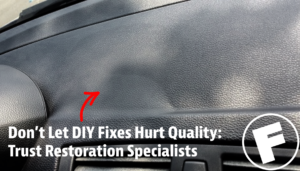
The Real Cost of In-House Repairs
Many businesses assume handling cosmetic repairs internally will reduce operating costs. Although this approach may work for basic cleaning or maintenance, interior restoration requires specialized knowledge that goes far beyond general automotive service.
Every repair involves understanding how different materials respond to heat, cleaning products, moisture, sunlight, and everyday use. Without that expertise, technicians may unintentionally create repairs that are easy to spot or fail prematurely.
Some of the most common problems associated with in-house repairs include uneven color, visible patches, incorrect textures, peeling finishes, and repairs that deteriorate after only a short period of use. These issues often require additional labor to correct, increasing costs rather than reducing them.
Businesses also risk disappointing customers when repairs fail to meet expectations. A buyer may overlook a small scratch, but a poorly executed repair often attracts even more attention than the original damage.
Restoration Requires More Than Basic Repair Skills
Automotive interiors are built from a variety of materials, each requiring a different repair approach.
A single vehicle may contain natural leather, synthetic leather, vinyl, textured plastics, painted trim, fabric inserts, soft-touch surfaces, and composite materials. Each reacts differently to age, environmental exposure, and physical damage.
Successful repairs require technicians who understand these differences and know how to restore each material without affecting surrounding surfaces.
For example, repairing a cracked leather seat requires techniques that differ significantly from restoring a scratched dashboard or repairing damaged vinyl. Matching texture, flexibility, color, and finish all contribute to the final appearance.
This attention to detail is what separates experienced restoration professionals from general repair services.
Modern Vehicles Demand Specialized Knowledge
Automotive manufacturers continue introducing new interior materials designed to improve comfort, durability, and appearance. While these innovations benefit vehicle owners, they also make repairs more complex.
Today’s interiors often feature:
- Perforated leather
- Soft-touch dashboards
- Textured vinyl panels
- Satin-finish plastics
- Piano black trim
- Premium steering wheel coverings
- Multi-material seating surfaces
Each component requires careful handling to ensure repairs blend naturally with the surrounding materials.
A repair that works well on one vehicle may not be appropriate for another, even if the damage appears similar.
Vehicle restoration experts stay current with evolving materials and restoration techniques, allowing them to provide repairs that maintain the original look and feel of the interior.
Better Repairs Begin With Proper Assessment
One of the biggest advantages of working with experienced restoration professionals is their ability to evaluate damage accurately before beginning any repair.
Not every damaged component requires replacement, and not every scratch should be repaired using the same process.
A professional assessment considers several factors, including:
- Material type
- Severity of damage
- Location of the damage
- Existing wear
- Structural integrity
- Expected durability after repair
By evaluating the condition carefully, restoration specialists recommend solutions that provide the best long-term value rather than the quickest temporary fix.
Why Quality Matters for Dealerships
Vehicle presentation has a direct influence on sales.
Customers naturally compare vehicles based on appearance, cleanliness, and overall condition. Even if two vehicles have similar mileage and mechanical performance, the one with a cleaner, better-maintained interior often creates a stronger first impression.
This is particularly important for pre-owned inventory, where buyers pay close attention to signs of previous ownership.
Professional interior repairs help dealerships present vehicles with confidence by restoring damaged seating, trim, dashboards, and other interior components before the vehicle reaches the showroom floor.
Many successful dealership repair services rely on experienced restoration partners because consistent repair quality supports customer satisfaction while reducing unnecessary replacement costs.
Professional restoration also allows dealerships to prepare inventory more efficiently without waiting for replacement interior components that may be expensive or difficult to source.
Preserving Original Materials Whenever Possible
Replacing an entire seat, dashboard panel, or interior trim piece may solve the immediate problem, but replacement is not always the most practical option.
Original components are designed specifically for each vehicle, including color, texture, stitching, and fit. Replacing them may involve additional labor, shipping delays, or variations in appearance.
Restoration allows businesses to preserve factory-installed materials whenever practical while correcting cosmetic damage that would otherwise affect vehicle presentation.
Instead of replacing a complete leather seat because of a small tear, experienced technicians can often restore the damaged area while maintaining the surrounding material.
The same principle applies to vinyl panels, plastic trim, steering wheels, center consoles, and armrests.
This approach reduces waste, minimizes downtime, and helps maintain the original character of the vehicle.
The Importance of Professional Color Matching and Material Restoration
One of the biggest differences between an average repair and a professional restoration is how well the repaired area blends with the original interior. A repair may technically fix the damage, but if the color, texture, or finish does not match, the result can still look unfinished.
Automotive interiors rarely use simple colors. A vehicle described as having a black, gray, or beige interior may actually include multiple shades, finishes, and textures that work together to create a specific appearance. Even slight differences in color can become noticeable when repaired areas are placed next to original surfaces.
Professional restoration technicians understand the importance of precise color matching. They evaluate the existing interior, identify the correct tone and finish, and apply restoration techniques that help repaired areas blend naturally with surrounding materials.
This level of precision is especially important for luxury vehicles, dealership inventory, and customer-owned vehicles where appearance expectations are higher.
Why Auto Upholstery Specialists Deliver Better Results
Automotive upholstery requires a unique set of skills. Unlike household furniture, vehicle interiors must withstand extreme conditions, including heat exposure, sunlight, frequent movement, moisture, and everyday wear.
This is why many businesses choose to work with auto upholstery specialists who focus specifically on vehicle interiors.
These specialists understand how automotive materials behave over time and how repairs should be completed to maintain durability. Their experience allows them to address issues such as:
- Damaged leather seating
- Cracked vinyl surfaces
- Worn upholstery panels
- Torn seat bolsters
- Damaged door inserts
- Steering wheel wear
- Interior trim damage
The goal is not simply making the damage less visible. A quality repair should restore the appearance and function of the material while maintaining the overall design of the vehicle.
Working with specialists also reduces the risk of unnecessary replacements. Instead of removing and replacing large sections of an interior, restoration professionals can often repair the affected area while preserving original materials.
How Professional Restoration Supports Dealership Success
For dealerships, every vehicle represents an opportunity to create a positive customer experience. Buyers often make emotional decisions based on how a vehicle looks and feels during inspection.
A worn interior can create concerns about maintenance history, even when the vehicle has been properly serviced. Damaged seats, scratched plastics, or faded surfaces may cause buyers to question whether the vehicle has received proper care.
Professional interior restoration helps dealerships address these concerns before vehicles are displayed for sale.
A restored interior can help:
- Improve vehicle appearance
- Increase buyer confidence
- Reduce cosmetic objections
- Support stronger pricing opportunities
- Speed up inventory preparation
- Create a more professional showroom experience
Rather than allowing minor damage to affect customer perception, dealerships can restore interiors and present vehicles in their best possible condition.
This is where experienced restoration partners become valuable. They provide consistent results across different makes, models, and types of damage, helping dealerships maintain quality standards throughout their inventory.
Restoration Solutions for Fleet and Commercial Vehicles
Vehicle appearance matters beyond dealerships. Businesses that operate fleets also benefit from maintaining clean, professional interiors.
Service vehicles, rental vehicles, transportation fleets, and company cars experience heavy daily use. Over time, repeated passenger activity and regular driving conditions can cause significant interior wear.
Fleet managers often face challenges such as:
- Damaged seats
- Worn entry areas
- Scratched interior panels
- Cracked vinyl surfaces
- Faded materials
- General appearance concerns
Replacing interior components every time damage occurs can quickly become expensive. Restoration provides a practical alternative by extending the useful life of existing materials.
Maintaining fleet interiors also helps protect a company’s professional image. Employees, customers, and clients often associate vehicle condition with business quality and attention to detail.
A clean, well-maintained vehicle interior creates confidence and reflects positively on the organization.
Expert Car Interior Repair Helps Preserve Vehicle Value
Interior condition plays an important role in determining how buyers perceive a vehicle. While mechanical reliability is essential, appearance often influences the first impression.
A vehicle with damaged upholstery or worn interior surfaces may appear older than it actually is. Even minor cosmetic problems can reduce buyer interest or affect negotiations.
Expert car interior repair addresses these issues by restoring damaged areas and improving the overall presentation of the vehicle.
Professional repairs can help restore:
- Leather seats affected by cracking or tears
- Vinyl surfaces damaged by age or use
- Plastic components with scratches or scuffs
- Interior panels with visible wear
- Frequently touched areas such as steering wheels and armrests
By improving interior condition, restoration helps vehicles maintain stronger appeal in competitive markets.
For dealerships, this can support faster inventory turnover. For private owners, it can improve resale opportunities. For fleet operators, it can help maintain vehicle standards throughout the ownership cycle.
Common Automotive Interior Restoration Services
Professional restoration providers typically offer solutions for a wide range of interior concerns. The exact repair process depends on the material, type of damage, and condition of the vehicle.
Common services include:
Leather Repair and Restoration
Leather interiors provide a premium appearance but require specialized care. Over time, leather can develop cracks, scratches, fading, and surface damage caused by regular use and environmental exposure.
Restoration techniques can repair damaged areas while helping maintain the original look and feel of the leather.
Vinyl Repair
Vinyl is commonly found in automotive seats, door panels, dashboards, and trim pieces. Although durable, vinyl can crack, tear, or fade over time.
Professional repair helps restore damaged vinyl surfaces without requiring complete replacement.
Plastic Interior Restoration
Interior plastics are vulnerable to scratches, scuffs, and discoloration. Damaged plastic trim can make a vehicle appear older and less maintained.
Restoration helps improve appearance while preserving the original components.
Fabric Upholstery Repair
Cloth interiors can develop tears, stains, and worn areas from regular use. Professional repair methods help restore fabric sections while maintaining the existing design.
Dashboard and Console Restoration
Dashboards and center consoles are highly visible areas inside a vehicle. Cracks, scratches, and surface damage can significantly affect interior appearance.
Specialized restoration techniques help repair these areas while maintaining a factory-style finish.
Why Businesses Choose Experienced Restoration Professionals
Interior repairs require more than basic tools and materials. They require experience, attention to detail, and an understanding of how automotive surfaces should look when properly restored.
Experienced restoration professionals provide several advantages:
Consistent Quality
Businesses need reliable results across every vehicle. Professional technicians follow proven restoration processes to deliver consistent outcomes.
Reduced Vehicle Downtime
Waiting for replacement parts can delay vehicle preparation. Restoration often allows repairs to be completed faster by working with existing components.
Cost Efficiency
Replacing complete interior parts can be expensive. Restoration provides a way to address damage while avoiding unnecessary replacement costs.
Better Customer Experience
Customers notice quality. A professionally restored interior helps create confidence and demonstrates attention to detail.
Specialized Expertise
Automotive restoration requires knowledge of different materials, finishes, and repair methods. Professionals who focus on this work understand how to achieve durable results.
The Difference Between Temporary Fixes and Long-Term Solutions
Quick fixes may hide damage temporarily, but they often fail to provide lasting results. Adhesives, generic repair products, or inexperienced techniques may create additional problems when exposed to daily vehicle use.
A professional restoration approach focuses on long-term performance. Repairs are completed with consideration for durability, appearance, and how the vehicle will continue to be used.
This difference is important for businesses that depend on maintaining vehicle quality. A repair that looks acceptable today but fails shortly after can create additional costs and inconvenience.
Choosing qualified professionals helps ensure repairs provide lasting value.
How Vehicle Restoration Experts Improve Business Efficiency
For automotive businesses, time is one of the most valuable resources. Every day a vehicle remains unfinished, unavailable, or waiting for repairs can affect productivity and revenue. This is especially true for dealerships and fleet operators managing multiple vehicles at once.
Working with vehicle restoration experts helps businesses address interior damage efficiently without disrupting regular operations. Instead of assigning general staff members to unfamiliar repair tasks, companies can rely on specialists who already have the experience, equipment, and techniques needed to complete the work properly.
This allows internal teams to focus on their primary responsibilities while restoration professionals handle detailed cosmetic repairs.
For dealerships, this means vehicles can move through preparation processes faster. For fleet operators, it means vehicles can return to service sooner. For customers, it means receiving better-quality results without unnecessary delays.
Professional restoration is not only about improving appearance. It is also about creating a more efficient process for maintaining vehicle condition.
The Advantage of Mobile Automotive Restoration Services
Convenience is another important factor when managing vehicle repairs. Transporting vehicles to different repair facilities can create scheduling challenges, additional labor costs, and unnecessary downtime.
Mobile automotive restoration services provide a practical solution by allowing specialists to complete repairs at a dealership, fleet location, or other convenient location when appropriate.
This approach benefits businesses by reducing logistical challenges and making it easier to maintain vehicle inventory.
Mobile restoration can help with:
- Dealership vehicle preparation
- Fleet maintenance programs
- Rental vehicle appearance management
- Commercial vehicle upkeep
- Customer vehicle restoration needs
Instead of coordinating multiple steps between locations, businesses can streamline the repair process and maintain better control over vehicle availability.
For dealerships with large inventories, this flexibility can be especially valuable. Vehicles can be restored as needed, helping maintain a consistent standard across available units.
Protecting Brand Reputation Through Quality Repairs
Every customer interaction shapes how people view a business. For dealerships and automotive companies, the condition of vehicles often reflects the level of service customers expect.
A vehicle with visible interior damage may unintentionally send the wrong message. Buyers may associate worn interiors with poor maintenance, even when that assumption is inaccurate.
Professional restoration helps businesses maintain a stronger presentation by ensuring vehicles look clean, cared for, and ready for ownership.
Quality repairs demonstrate attention to detail. They show customers that the business values the condition of the vehicles it provides.
This is particularly important in competitive automotive markets where small differences can influence purchasing decisions.
A well-restored interior can help create a more positive experience during inspections, test drives, and final delivery.
Restoration as a Smarter Alternative to Replacement
When interior damage occurs, replacement may seem like the obvious solution. However, replacing entire components is not always necessary or cost-effective.
Many interior issues affect only a specific area of a component. A cracked leather section, scratched plastic panel, or damaged vinyl surface does not always require replacing the entire part.
Restoration provides a way to address the problem while preserving the original component.
Benefits of restoration compared with replacement include:
- Lower material costs
- Reduced labor requirements
- Faster turnaround times
- Less waste
- Preservation of original vehicle materials
For businesses managing multiple vehicles, these savings can become significant over time.
Restoration also helps maintain consistency because the original material, color, and design remain intact whenever possible.
Supporting Sustainability Through Interior Restoration
The automotive industry continues to place greater importance on responsible resource use. Restoration supports these efforts by extending the lifespan of existing materials instead of replacing them unnecessarily.
Vehicle interiors contain a combination of leather, plastics, fabrics, foam, and synthetic materials. Manufacturing replacement components requires additional resources, energy, and transportation.
By restoring damaged areas, businesses can reduce unnecessary waste while still achieving high-quality results.
Automotive interior restoration supports sustainability by helping:
- Extend the life of existing components
- Reduce discarded interior materials
- Minimize unnecessary replacements
- Preserve usable resources
This approach allows businesses to make practical decisions that benefit both operations and environmental goals.
Choosing the Right Restoration Partner
Not all repair providers offer the same level of expertise. When selecting a restoration company, businesses should consider several important factors to ensure they receive reliable results.
A qualified restoration partner should have experience working with a wide range of automotive materials, including leather, vinyl, plastic, and fabric interiors. They should understand how different surfaces respond to repair techniques and provide solutions based on the actual condition of each vehicle.
Important qualities to look for include:
Experience With Automotive Interiors
Automotive restoration requires specialized knowledge. A provider with experience repairing vehicle interiors understands the challenges associated with different materials, manufacturers, and levels of damage.
Consistent Repair Quality
Businesses need dependable results. Whether restoring one vehicle or managing a large inventory, repair quality should remain consistent.
Understanding of Different Materials
Leather, vinyl, plastic, and fabric all require different approaches. A knowledgeable restoration provider knows how to select the right process for each surface.
Focus on Long-Term Results
A quality repair should not only look good immediately but also withstand continued use. Professional restoration focuses on durability as well as appearance.
Ability to Support Business Needs
Dealerships, fleets, and commercial operators often require flexible scheduling and efficient service. The right partner understands these demands and works to minimize disruption.
Why Professional Restoration Is a Better Investment
Choosing professional restoration is about more than fixing visible damage. It is an investment in maintaining vehicle value, improving customer confidence, and protecting business reputation.
In-house repairs may appear convenient, but without proper expertise, they can lead to inconsistent results and additional expenses. Professional restoration provides access to trained specialists who understand the details required to restore automotive interiors properly.
Businesses benefit from:
- Better-quality repairs
- Improved vehicle presentation
- Reduced replacement expenses
- Faster preparation times
- Greater customer satisfaction
For automotive companies, these advantages make professional restoration a practical part of vehicle maintenance and inventory management.
When Should Businesses Consider Professional Restoration?
Many businesses wait until damage becomes severe before seeking restoration services. However, addressing interior issues early can help prevent further deterioration.
Professional evaluation may be beneficial when vehicles show signs such as:
- Surface cracking
- Visible tears
- Faded materials
- Damaged seating areas
- Scratched trim
- Worn high-contact areas
- Interior components that affect vehicle presentation
Early restoration helps maintain vehicle condition and prevents minor cosmetic concerns from becoming larger problems.
For dealerships, early repairs can improve inventory readiness. For fleets, they can help maintain consistent vehicle standards. For individual owners, they can protect long-term vehicle value.
Building a Better Vehicle Presentation Strategy
Vehicle preparation involves many details, from mechanical inspections to exterior appearance. Interior condition should be treated with the same level of importance.
A vehicle’s interior represents the experience customers will have every time they drive it. Clean, restored interiors create confidence and help vehicles stand out in competitive markets.
By partnering with professionals who understand automotive materials and restoration techniques, businesses can create a reliable approach to maintaining vehicle appearance.
Professional restoration is not simply about repairing damage. It is about protecting investments, improving presentation, and ensuring vehicles continue to make a strong impression.
Maintaining Quality Through Professional Restoration
Vehicle interiors experience constant exposure to daily use, environmental conditions, and customer expectations. Over time, even well-maintained vehicles can develop cosmetic damage that affects their appearance and perceived value. Instead of accepting worn interiors or relying on temporary solutions, businesses can protect their vehicles by investing in skilled restoration services.
The difference between an average repair and a professional restoration often comes down to experience, attention to detail, and the ability to understand automotive materials. A properly restored interior should look natural, feel consistent, and maintain the original character of the vehicle.
Whether a dealership is preparing pre-owned inventory, a fleet company is maintaining commercial vehicles, or an owner wants to preserve a valuable vehicle, working with experienced professionals provides confidence that the repair will be completed correctly.
The best restoration solutions focus on improving appearance while preserving existing materials whenever possible. This approach helps businesses avoid unnecessary replacements, reduce downtime, and maintain higher standards across every vehicle they manage.
The Long-Term Benefits of Professional Interior Restoration
Choosing professional interior restoration provides benefits that extend beyond fixing visible damage. It supports better vehicle management by helping businesses maintain quality, efficiency, and customer satisfaction.
For dealerships, restored interiors can help vehicles make stronger impressions during customer visits and test drives. A clean and professionally repaired cabin allows buyers to focus on the vehicle’s features rather than noticing cosmetic flaws.
For fleet operators, restoration helps extend the useful life of vehicles while keeping interiors presentable for employees, customers, and passengers.
For individual vehicle owners, professional repairs can protect resale value and preserve the comfort and appearance of a vehicle they rely on every day.
The value of restoration comes from restoring what already exists rather than immediately replacing expensive components. With the right expertise, many damaged interiors can be renewed and returned to a condition that looks significantly better.
Why Expertise Matters When Restoring Vehicle Interiors
Interior repair requires precision. Small details such as color, texture, stitching, and finish can determine whether a repair blends seamlessly or remains noticeable.
Experienced professionals understand that every vehicle has unique materials and design elements. They evaluate each repair individually and use methods suited to the specific surface being restored.
This expertise is especially important for complex repairs involving premium materials or highly visible areas. A seat repair, dashboard restoration, or trim repair must complement the rest of the interior to achieve a professional result.
Working with trained specialists ensures that repairs are completed with the level of care expected from modern automotive businesses.
A Reliable Solution for Automotive Businesses
Businesses that depend on vehicle appearance need solutions they can trust. Attempting repairs without the proper experience may create inconsistent outcomes, while professional restoration provides a dependable way to maintain quality.
Experienced restoration providers help businesses address interior damage efficiently while protecting the overall value of their vehicles.
From leather and vinyl repairs to plastic restoration and upholstery improvements, professional services help maintain the appearance customers expect.
The right restoration partner becomes an extension of a business’s quality standards by helping every vehicle look its best before it reaches the next owner.
If your dealership, fleet operation, or automotive business needs reliable solutions for damaged interiors, partnering with experienced restoration professionals can help protect vehicle value and improve presentation. Contact a trusted restoration specialist to learn how professional interior restoration can repair leather, vinyl, plastic, and upholstery surfaces while helping your vehicles remain ready for customers.
Frequently Asked Questions
Q: What makes professional interior restoration different from in-house repairs?
A: Professional interior restoration uses specialized techniques, equipment, and material knowledge to repair automotive surfaces properly. Unlike basic in-house fixes, professional restoration focuses on achieving long-lasting results that blend naturally with the existing interior.
Q: What types of vehicle damage can restoration specialists repair?
A: Restoration specialists can repair many common interior issues, including cracked leather seats, damaged vinyl, scratched plastic trim, worn upholstery, steering wheel damage, dashboard imperfections, and other cosmetic interior concerns.
Q: How can automotive interior restoration help dealerships?
A: Automotive interior restoration helps dealerships improve vehicle presentation, increase buyer confidence, reduce unnecessary replacement costs, and prepare inventory with a more professional appearance.
Q: When should a business consider professional vehicle interior repairs?
A: Businesses should consider professional repairs when vehicles show visible interior wear, including cracks, tears, fading, scratches, or damaged surfaces that may affect customer perception or resale value. Addressing these issues early can help prevent further deterioration and maintain vehicle quality.