How Much Does Boat Upholstery Repair Cost
Boat ownership comes with ongoing maintenance, and one of the most noticeable areas that eventually requires attention is the upholstery. Whether you own a fishing boat, pontoon, ski boat, yacht, or personal watercraft, your seats, cushions, bolsters, and interior panels experience constant exposure to sunlight, moisture, temperature changes, saltwater, sunscreen, and everyday wear. Over time, even well-maintained interiors begin showing signs of aging.
When damage appears, many boat owners immediately assume they need an entirely new interior. Fortunately, that is often not the case. Professional restoration services can repair many types of upholstery damage, helping owners save money while preserving the appearance and comfort of their vessel.
One of the most common questions owners ask is, “What is the average boat upholstery repair cost?”
The answer depends on several factors. Minor vinyl repairs may cost significantly less than replacing entire seating sections, while extensive damage involving foam replacement or multiple seating areas naturally requires a larger investment.
Understanding what affects pricing helps boat owners make informed decisions before damage becomes more severe.
This guide explains average marine seat repair pricing, the factors that influence costs, when repairs make more financial sense than replacement, and how professional restoration services help extend the life of your boat’s interior.
Why Boat Upholstery Matters More Than Appearance
Many people think upholstery is primarily cosmetic. While attractive seating certainly improves the appearance of a boat, marine upholstery serves several important functions.
Properly maintained seats provide support during long days on the water, improve passenger comfort, protect underlying foam, resist moisture penetration, and help preserve the overall value of the boat.
Once vinyl begins cracking or stitching starts separating, moisture can reach the foam underneath. Wet foam may become heavier, lose its shape, develop mildew, and create unpleasant odors. Delaying repairs often allows damage to spread beyond the surface material, making restoration more extensive and increasing overall repair costs.
Professional marine upholstery repair addresses these issues before they become larger structural problems.
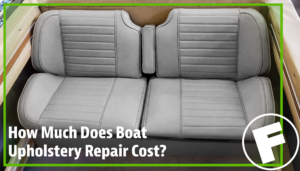
Average Boat Upholstery Repair Cost
There is no universal price because every repair is unique. The size of the damaged area, upholstery material, labor requirements, and extent of deterioration all influence the final estimate.
Generally speaking, boat upholstery repair cost falls into several common ranges.
Minor vinyl repairs involving small tears, punctures, seam repairs, or localized damage are usually the most affordable option.
Moderate repairs involving larger seat sections, foam restoration, multiple cushions, or color restoration require additional labor and materials.
Extensive restoration involving several seating areas, widespread cracking, deteriorated foam, custom stitching, or significant UV damage naturally represents a larger investment.
Even when repairs involve multiple seating sections, restoration often costs considerably less than replacing an entire marine interior.
Every boat differs in construction, upholstery design, and material quality, making professional inspections the most accurate way to receive pricing.
What Affects Marine Seat Repair Pricing?
Several variables influence marine seat repair pricing. Understanding these factors helps explain why two boats with similar-looking damage may receive different estimates.
Size of the Damaged Area
One of the largest pricing factors is the amount of damage.
A single puncture caused by fishing equipment requires far less work than restoring an entire captain’s chair with cracked vinyl, worn foam, and split seams.
Localized repairs typically require fewer materials and less labor.
Larger damaged areas naturally increase repair time.
Type of Upholstery Material
Marine upholstery is designed differently from residential furniture.
Most boats use marine-grade vinyl because it offers excellent resistance to moisture, mildew, UV exposure, and frequent cleaning.
Different grades of vinyl vary in thickness, texture, and color availability.
Matching existing materials may require specialized products that influence pricing.
Condition of the Foam
Surface damage is not always the only concern.
If water has penetrated beneath cracked vinyl, the foam underneath may require reshaping or replacement.
Healthy foam provides proper comfort and support.
Damaged foam reduces seating quality and may continue deteriorating if left untreated.
Replacing foam increases labor and material costs but greatly improves long-term performance.
UV Damage
Sun exposure remains one of the leading causes of upholstery deterioration.
Extended UV exposure gradually dries vinyl, making it brittle.
The material eventually loses flexibility and develops cracks.
Repairs involving widespread sun damage often require larger restoration areas than isolated tears.
Stitching and Seam Repairs
Marine stitching must withstand constant movement, moisture, and outdoor conditions.
Broken seams often require careful reconstruction using marine-grade thread specifically designed for exterior environments.
Precision stitching helps maintain durability while restoring the seat’s original appearance.
Color Matching
One challenge of marine upholstery restoration involves blending repaired areas with existing seating.
Professional technicians use color-matching techniques that help repaired sections integrate naturally with surrounding materials.
Proper matching creates a more consistent appearance and often eliminates the need for replacing entire seating assemblies simply because one section is damaged.
Accessibility of the Repair
Some seating components remove easily.
Others require partial disassembly of consoles, storage compartments, or built-in seating.
Additional labor for removal and reinstallation influences total pricing.
Common Boat Upholstery Problems That Can Be Repaired
Many owners are surprised by the number of issues that professional restoration specialists can address without requiring complete replacement.
These commonly repairable problems include:
- Small tears and punctures
- Cracked marine vinyl
- Split seams
- Loose stitching
- Faded seating surfaces
- Minor foam damage
- Surface abrasions
- Scratches
- Burn marks
- Mildew-related cosmetic damage
- Weather-related deterioration
- Cushion separation
- Vinyl shrinkage in localized areas
- Worn armrests
- Damaged bolsters
Each repair is evaluated individually to determine the most effective restoration approach.
When Repair Makes More Sense Than Replacement
While a complete interior replacement may be necessary for boats with widespread damage, it’s often more than what’s required. In many cases, professional boat upholstery repair offers a more practical and cost-effective solution.
If the damage is limited to a cracked captain’s chair, a worn passenger seat, torn cushions, split seams, or other isolated areas, targeted repairs can restore both appearance and functionality without replacing the entire interior. Restoration is also an excellent option when the upholstery remains structurally sound but shows cosmetic wear such as fading, scuffs, small tears, or surface cracks.
Choosing professional repair helps preserve the boat’s original interior, minimizes material waste, and avoids the higher cost of full replacement. With expert color matching and marine-grade repair materials, restored upholstery can blend seamlessly with the surrounding surfaces, giving your boat a clean, refreshed look while extending the life of components that still have years of service left.
When Replacement May Be Necessary
There are situations where replacement becomes the better option.
These include:
- Extensive deterioration throughout the entire interior
- Multiple water-damaged seating sections
- Severe foam collapse
- Structural seat damage
- Vinyl that has become brittle across every seating area
- Previous repairs that are no longer effective
Professional inspections help determine whether restoration or replacement delivers better long-term value.
An experienced technician focuses on preserving salvageable materials whenever practical.
Saltwater vs Freshwater Boats
The environment where a boat operates significantly affects upholstery lifespan.
Saltwater environments generally accelerate deterioration.
Salt residue attracts moisture, increases wear, and contributes to faster material breakdown when not cleaned regularly.
Freshwater boats also experience damage from UV exposure, humidity, dirt, and repeated use, although deterioration may occur more gradually.
Routine cleaning and prompt repairs help both types of vessels maintain their interiors longer.
The Hidden Cost of Waiting Too Long
Many owners postpone upholstery repairs because the damage initially seems minor.
Unfortunately, upholstery problems rarely improve on their own.
A tiny split often becomes a long tear after repeated use.
Cracked vinyl allows moisture beneath the surface.
Foam absorbs water.
Wet foam encourages mildew.
Loose stitching continues separating.
Eventually, what could have been a simple repair becomes a much larger restoration project.
Addressing damage early often reduces overall repair costs while extending the life of the original upholstery.
Does Boat Type Affect Repair Costs?
Yes. The type of boat can significantly influence upholstery repair costs because each vessel has unique seating layouts, upholstery designs, and construction requirements. The size of the damaged area, the complexity of the upholstery, and the level of craftsmanship needed all play a role in the final price.
Fishing Boats
Fishing boats typically feature pedestal seats, casting decks, and compact cushions. Upholstery repairs often address punctures, tears, or abrasions caused by fishing gear, hooks, UV exposure, and everyday wear. Since the seating is generally straightforward, repairs are often limited to localized damage.
Pontoon Boats
Pontoon boats usually have multiple benches, loungers, and seating sections throughout the vessel. Although repairing a single cushion is typically affordable, restoring several seating areas increases labor time and material costs. Larger projects may also require careful color and texture matching to maintain a consistent appearance across the interior.
Ski and Wake Boats
Ski and wake boats often feature premium marine upholstery with intricate stitching, embroidered logos, contoured seating, and modern design elements. Restoring these interiors requires specialized craftsmanship to replicate the original look, which can increase repair costs compared to simpler seating designs.
Cruisers and Yachts
Cruisers and yachts typically have the most extensive upholstered interiors, including lounges, cabin seating, sun pads, helm chairs, and custom-built cushions. Repairs may involve larger surface areas, premium marine-grade materials, and complex upholstery patterns. Because these interiors are often custom-designed, restoration requires additional precision to ensure seamless results that preserve the vessel’s overall appearance.
Can Color Be Restored Without Replacement?
In many situations, yes.
Fading caused by sunlight does not always require replacing upholstery.
Professional restoration techniques can improve appearance while helping preserve existing materials.
Every project depends on the condition of the vinyl and the extent of UV exposure.
An inspection determines whether restoration can achieve satisfactory results.
Benefits of Professional Boat Interior Restoration
Professional boat interior restoration offers benefits that go far beyond improving your boat’s appearance. By repairing damaged upholstery instead of replacing the entire interior, owners can protect their investment while extending the life of marine-grade materials.
A professionally restored interior helps preserve your boat’s resale value, as clean, well-maintained seating is one of the first features potential buyers notice. Addressing cracks, tears, fading, and seam damage early also prevents minor issues from worsening, helping reduce future repair expenses.
Restoration is often a more cost-effective alternative to full replacement because it focuses only on the areas that need attention. It also reduces material waste by keeping serviceable upholstery in use, making it a more sustainable choice for many boat owners.
Another advantage is a faster turnaround. Repairing isolated damage typically requires less time than replacing an entire boat interior, allowing you to get back on the water sooner with minimal disruption.
Most importantly, professional restoration is centered on preserving what can still be restored. Rather than recommending complete replacement as the default solution, experienced technicians evaluate the condition of your upholstery and restore salvageable components whenever possible, delivering a refreshed, durable interior while maintaining your boat’s original character.
How Professional Technicians Evaluate Boat Upholstery
Experienced restoration specialists begin by examining more than the visible damage.
They assess vinyl flexibility, stitching integrity, foam condition, moisture intrusion, UV deterioration, and the structural stability of the seating.
This comprehensive evaluation helps determine whether a localized repair, partial restoration, or broader repair strategy will provide the best long-term outcome. Rather than focusing only on the damaged surface, professionals identify underlying issues that could shorten the life of the repair if left unaddressed.
This detailed approach ensures repairs address both cosmetic concerns and performance, helping boat owners get greater value from their investment.
Seasonal Demand Can Influence Scheduling
Many boat owners wait until spring to schedule repairs before boating season begins. As a result, marine upholstery specialists often experience their highest demand during late winter and early spring.
Planning repairs during the off-season can sometimes provide greater scheduling flexibility. It also allows technicians adequate time to complete restoration work before the boat returns to regular use.
Regardless of the season, addressing upholstery damage sooner rather than later helps prevent additional deterioration while ensuring the boat is ready when the weather improves.
Preventing Future Upholstery Damage
While every boat interior experiences normal wear over time, regular maintenance can significantly extend the life of your upholstery and reduce the need for costly repairs. A few simple preventive habits can help keep marine seating looking its best season after season.
Clean marine-grade vinyl regularly using products specifically formulated for boat upholstery. After each outing, remove sunscreen residue, dirt, fish slime, salt deposits, and other contaminants whenever possible, as these can gradually break down protective finishes and accelerate wear.
Protect your interior from prolonged sun exposure by using a properly fitted boat cover when the vessel is not in use. During storage, improve ventilation to reduce trapped moisture, and make sure wet cushions are thoroughly dried before storing the boat for extended periods to help prevent mildew and premature material deterioration.
It’s also a good idea to inspect your upholstery several times throughout the boating season. Check for loose stitching, small tears, cracked vinyl, or worn seams so minor issues can be professionally repaired before they become larger, more expensive problems.
Finally, avoid placing sharp tools, fishing hooks, anchors, coolers, or heavy equipment directly on upholstered seating. Taking a few extra precautions can prevent punctures, tears, and unnecessary stress on marine-grade materials.
These simple maintenance practices help preserve your boat’s appearance, extend the lifespan of its interior, and can significantly reduce future boat upholstery repair costs by preventing avoidable damage before it occurs.
Why Mobile Marine Upholstery Repair Is Growing in Popularity
Today’s boat owners value convenience, especially when transporting a vessel to a repair facility can be time-consuming or impractical. Mobile restoration services have become increasingly popular because they bring professional expertise directly to marinas, storage facilities, or even private residences.
Depending on the repair, technicians may be able to complete certain restoration work on-site, eliminating the need to move the boat. This reduces downtime and allows owners to return to the water more quickly.
Mobile services are particularly helpful for larger boats, pontoons, and vessels that are difficult to trailer. They also provide the same professional craftsmanship while making the repair process more convenient for busy owners.
Choosing the Right Marine Upholstery Repair Specialist
Not every upholstery company has the expertise to restore boat interiors. Marine upholstery is exposed to constant sunlight, moisture, temperature fluctuations, and, in many cases, saltwater, making it far more demanding than residential or automotive upholstery. Effective repairs require specialized materials, proven restoration techniques, and experience working with marine-grade vinyl, leather, and plastic surfaces.
When choosing a marine upholstery repair specialist, look for a company with a strong track record in boat interior restoration. Skilled technicians understand how to repair cracks, tears, fading, worn stitching, and surface damage while preserving as much of the original material as possible. Rather than recommending a full replacement as the first option, reputable professionals evaluate whether a high-quality repair can restore the appearance, comfort, and durability of your upholstery at a lower cost.
A trusted restoration specialist will perform a thorough inspection, explain the condition of your upholstery, outline your available repair options, and provide transparent pricing. Their goal should be to recommend the solution that offers the greatest long-term value while maintaining the original look and integrity of your boat’s interior.
Choosing an experienced marine restoration professional increases the likelihood of seamless color matching, durable repairs, and results that withstand future boating seasons.
Restore Your Boat Interior with Professional Marine Upholstery Repair
If your boat seats, cushions, bolsters, or interior panels are showing signs of cracking, fading, tears, worn stitching, or other damage, don’t assume replacement is your only option. Professional marine upholstery restoration can often deliver outstanding results while saving you time and money.
Contact our team today to schedule a professional evaluation and receive a personalized estimate. We’ll help you determine the most cost-effective solution to restore your boat’s interior, protect your investment, and keep your vessel looking its best for many seasons on the water.
Frequently Asked Questions
Q: How much does boat upholstery repair cost on average?
A: Boat upholstery repair costs vary depending on the size of the damaged area, material type, foam condition, labor requirements, and the number of seats involved. Minor repairs generally cost much less than replacing an entire interior, while larger restoration projects require a higher investment. A professional inspection provides the most accurate estimate.
Q: Is repairing boat upholstery cheaper than replacing it?
A: In many cases, yes. When damage is limited to specific seats, cushions, or panels, professional restoration is often significantly more affordable than replacing the entire upholstery. Repairs also preserve materials that remain in good condition, reducing unnecessary expenses.
Q: Can cracked marine vinyl be repaired?
A: Many types of cracked marine vinyl can be professionally repaired, depending on the severity and overall condition of the material. Early intervention often delivers the best results because damage is less likely to have spread beneath the surface.
Q: How long does marine upholstery repair last?
A: High-quality repairs performed with marine-grade materials can provide years of dependable performance. Longevity depends on proper maintenance, storage practices, exposure to sunlight, and how frequently the boat is used. Regular cleaning and protective covers help maximize the lifespan of restored upholstery.