Why Restoration Businesses Appeal to Hands-On Entrepreneurs
A restoration business has become one of the most attractive paths for individuals seeking practical and stable entry into entrepreneurship. Unlike digital-only ventures or heavily capital-intensive industries, restoration work is rooted in real-world problem solving, customer interaction, and visible transformation of damaged assets into functional, refreshed products.
For many professionals exploring entrepreneur opportunities, this industry provides something rare: a balance between independence, hands-on work, and scalable income potential. It is not just about repairing materials; it is about building a sustainable business that solves everyday problems across homes, vehicles, and commercial environments.
In today’s economy, where flexibility and resilience matter more than ever, the restoration sector continues to expand as a recession-resistant business model that thrives even during economic slowdowns.
Understanding the Foundation of a Restoration Business
At its core, a restoration business focuses on extending the life of existing items rather than replacing them. This includes repairing, refinishing, and revitalizing surfaces and structures such as leather, vinyl, upholstery, and interior components.
The restoration industry typically covers:
- Home furniture repair and refinishing
- Automotive interior restoration
- Marine and recreational vehicle repairs
- Commercial seating and furniture refurbishment
- Surface repair for leather and vinyl materials
This makes it a highly versatile service-based business model that adapts to multiple markets and customer needs.
One of the leading systems in this space is the Fibrenew franchise, which has built a structured approach to delivering professional-grade restoration services across residential, automotive, and commercial sectors.
Why Entrepreneurs Are Drawn to Restoration Work
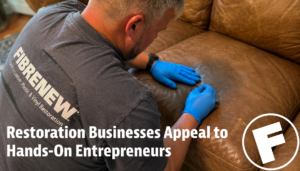
The appeal of a restoration business is deeply connected to the mindset of individuals who prefer active, practical work over purely digital or corporate roles. Many aspiring business owners today are looking for hands-on entrepreneurship that allows them to see direct results from their efforts.
Tangible Results That Create Satisfaction
One of the strongest motivators in this industry is immediacy. A damaged leather seat, cracked vinyl surface, or worn-out couch can often be restored within hours.
This creates:
- Immediate visual transformation
- High customer satisfaction
- Strong word-of-mouth referrals
- A sense of craftsmanship and accomplishment
Unlike abstract business models, restoration provides a visible impact that reinforces confidence and skill development.
Entrepreneur Opportunities in a Growing Industry
The demand for restoration services continues to grow across multiple sectors, creating strong entrepreneur opportunities for individuals willing to learn technical skills and operate service-based businesses.
Residential Demand
Homeowners frequently require restoration for:
- Sofas and couches
- Dining chairs and recliners
- Leather furniture surfaces
- Vinyl and fabric repairs
Instead of replacing expensive furniture, many customers prefer repair solutions, making this a consistent revenue stream.
Automotive and Fleet Services
Vehicle interiors represent one of the strongest growth areas within the restoration industry. Cars, trucks, and fleet vehicles experience wear that can be efficiently repaired.
Common home and auto restoration services include:
- Seat repair and recoloring
- Dashboard restoration
- Vinyl crack repair
- Interior surface refinishing
Fleet operators especially value restoration because it reduces long-term replacement costs and keeps vehicles operational longer.
Commercial and Institutional Clients
Businesses also rely heavily on restoration services for:
- Office furniture maintenance
- Restaurant seating repairs
- Healthcare facility furniture restoration
- Hotel and hospitality interiors
These clients often provide recurring contracts, making them highly valuable for long-term business stability.
Service Trade Franchise Models and Why They Matter
A service trade franchise offers a structured pathway for individuals who want to enter skilled service industries without building everything from scratch.
Unlike traditional retail franchises, service-based franchises focus on:
- Technical skill training
- Mobile operations
- Customer service delivery
- Territory-based business growth
This model has become increasingly popular among individuals seeking small business ownership without the high overhead of physical storefronts.
Franchise systems like Fibrenew provide training, equipment, branding, and operational systems that allow new entrepreneurs to enter the market with confidence.
Mobile Restoration Services as a Competitive Advantage
One of the most powerful aspects of modern restoration businesses is mobility. Many operators run mobile restoration services, meaning they travel directly to clients instead of relying on a fixed location.
This approach offers several advantages:
- Lower startup and operating costs
- Flexible scheduling and work-life balance
- Faster customer response times
- Wider geographic reach
Mobile operations are particularly effective in the restoration industry because many services can be performed on-site, including vehicle and furniture repairs.
This mobility enhances scalability while reducing financial barriers to entry.
Franchise Ownership and Reduced Business Risk
For many entrepreneurs, starting a business independently can feel overwhelming due to uncertainty and risk. This is where franchise ownership becomes a strategic advantage.
A franchise provides:
- Proven business systems
- Established brand recognition
- Marketing and lead generation support
- Training and ongoing mentorship
Within the restoration sector, franchise models help reduce trial-and-error by offering a structured path to growth.
The Fibrenew franchise system is one example of how franchise investment opportunities in this space are designed to support both beginners and experienced business owners entering the skilled trade business sector.
Why the Restoration Industry Is Recession Resistant
Economic cycles often influence consumer spending habits, but restoration services tend to remain in demand regardless of market conditions. This is why the industry is widely considered a recession resistant business.
During financial downturns, customers typically:
- Repair instead of replace
- Extend product lifecycles
- Reduce unnecessary spending
This behavior directly benefits restoration businesses, which provide cost-effective alternatives to replacement.
As a result, restoration services often maintain steady demand even when other industries experience declines.
Skill Development and Growth in Hands-On Entrepreneurship
One of the defining characteristics of this industry is continuous skill development. Unlike many businesses where systems remain static, restoration work evolves with experience.
As entrepreneurs gain expertise, they can expand into:
- Advanced leather restoration techniques
- High-end automotive detailing and repair
- Commercial contract servicing
- Specialized material restoration projects
This progression supports long-term engagement and prevents business stagnation.
For individuals pursuing hands-on entrepreneurship, this creates a career path that grows alongside their skill set.
Franchise Investment Opportunities in Restoration
The restoration industry presents strong franchise investment opportunities due to its combination of low overhead, recurring demand, and scalable operations.
Key investment advantages include:
- Lower startup costs compared to retail businesses
- Minimal inventory requirements
- Mobile service flexibility
- Strong recurring customer base
Franchise systems often provide a turnkey model that simplifies entry into the market while offering ongoing operational support.
This structure makes restoration franchises appealing to both first-time entrepreneurs and experienced investors seeking diversification.
The Role of Technology in Modern Restoration Services
While restoration is a hands-on profession, modern tools and materials have significantly improved service quality and efficiency.
Today’s professionals use:
- Advanced color-matching systems
- Durable repair compounds
- Specialized surface bonding materials
- Portable mobile repair kits
These innovations allow restoration technicians to deliver consistent, high-quality results across different environments and materials.
Franchise systems like Fibrenew integrate these technologies into their training programs, ensuring franchise owners stay competitive and efficient in their operations.
Sustainability Benefits of Restoration Businesses
Another important factor driving growth in the restoration industry is sustainability. Consumers and businesses are increasingly prioritizing environmentally responsible choices.
A restoration business contributes to sustainability by:
- Reducing landfill waste
- Extending product lifecycles
- Minimizing manufacturing demand
- Supporting circular economy practices
Instead of discarding damaged items, restoration allows them to be reused and preserved, which aligns with modern environmental values.
Who Is Best Suited for This Business Model
A restoration business is particularly well-suited for individuals who:
- Prefer active, hands-on work over office-based roles
- Are interested in skilled trade development
- Want structured franchise ownership with support systems
- Value independence and flexibility
- Seek long-term small business ownership opportunities
- Are open to learning technical repair skills
It also appeals strongly to career changers transitioning away from corporate environments into more practical and service-driven work.
Explore Structured Franchise Opportunities
For individuals seeking a clear and supported path into business ownership, a structured service trade franchise can offer a practical way to enter the restoration industry. This model is designed for those who want to build a scalable, hands-on business with established systems already in place.
Rather than starting from scratch, entrepreneurs can step into a proven framework that typically includes comprehensive training, operational tools, and ongoing support. This allows new owners to focus on growth and service delivery while leveraging an established brand and business model.
If you’re ready to take the next step toward building your own restoration business, explore available franchise opportunities and discover how a proven system can help you get started with confidence. Learn more today and explore franchise opportunities that align with your goals in business ownership and long-term growth!
Frequently Asked Questions
Q: What is a restoration business?
A: A restoration business focuses on repairing and renewing damaged items such as furniture, vehicle interiors, and vinyl or leather surfaces instead of replacing them.
Q: Is the restoration industry a good option for new entrepreneurs?
A: Yes, it offers strong entrepreneur opportunities due to consistent demand, relatively low startup costs, and scalable service-based operations.
Q: What makes a service trade franchise attractive?
A: A service trade franchise provides structured training, branding, and support systems, making it easier to start a skilled trade business with reduced risk.
Q: Do I need experience to start a restoration business?
A: Not necessarily. Many franchise systems provide hands-on training, allowing beginners to develop skills over time.
Q: Why is restoration considered a recession resistant business?
A: Because customers tend to repair instead of replace during economic downturns, keeping demand steady even in slow markets.
Q: What are mobile restoration services?
A: Mobile restoration services involve traveling directly to clients’ homes or businesses to perform repairs, reducing overhead and increasing flexibility.