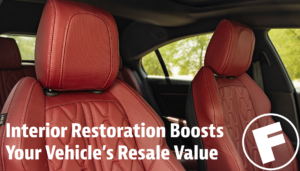
The Hidden ROI: How Interior Restoration Can Boost Your Vehicle’s Resale Value
When most car owners think about increasing their vehicle’s trade-in or resale value, they immediately look under the hood or reach for a bottle of wax. While mechanical reliability and a shiny exterior are undoubtedly important, there is a “hidden” driver of valuation that often goes overlooked: the cabin.
The interior of your car is where a potential buyer will spend 100% of their time while driving. It is the primary touchpoint for their senses—sight, touch, and smell. If that experience is marred by cracked leather, stained carpets, or a fading dashboard, the perceived value of the entire vehicle plummets. Investing in professional automotive interior restoration isn’t just about aesthetics; it is a strategic financial move that can yield a significant return on investment (ROI).
Why the Interior Dictates the Deal
In the automotive market, “First Impressions” are divided into two distinct psychological stages. Stage one is the walk-up, where the buyer evaluates the curb appeal and the paint quality. Stage two—and arguably the most critical—is the “sit-down.” The moment a potential buyer or dealership appraiser settles into the driver’s seat, their perspective shifts from admirer to occupant. They are no longer looking at a machine; they are imagining their daily life inside of it. At this stage, they are subconsciously (and often consciously) hunting for reasons to negotiate the price down. Every blemish they see becomes a line item on an imaginary invoice they’ll use to justify a lower offer.
The Psychology of Neglect vs. Wear
It is a common misconception that buyers expect a used car to be “perfect.” Reasonable wear and tear, such as slight softening of leather or faint scuffs on floor mats, are generally accepted. However, there is a fine, high-stakes line between wear and neglect.
- Signs of Neglect: A jagged tear in the side bolster, a dashboard cracked by UV exposure, or a sticky, peeling center console.
- The Buyer’s Logic: If a seller was willing to let a visible tear fester for months, what else did they ignore? Did they skip oil changes? Are the brake pads thin?
A damaged cabin creates a “maintenance halo” effect—but in a negative direction. It suggests a fundamental lack of pride in ownership. Conversely, a pristine, rejuvenated cabin sends a powerful message of meticulous stewardship. When the leather is supple and the trim is intact, it signals that the vehicle has been cared for mechanically as well.
Creating a Frictionless Sale
By utilizing a professional automotive interior repair & restoration service, you effectively “de-risk” the purchase for the buyer. When a cabin looks factory-fresh, the buyer loses their primary leverage for haggling. Instead of focusing on the $500 they’ll need to spend to fix a hole in the seat, they focus on the features of the car they love.
In the world of high-stakes resale, your interior is the silent spokesperson for the vehicle’s history. Enlisting automotive interior repair & restoration service experts ensures that the spokesperson is saying all the right things, protecting your equity and ensuring that the “sit-down” stage leads directly to a closed deal.
Common Interior Devaluers (and How to Fix Them)
1. Leather and Vinyl Damage
Leather seats are a luxury feature, but they lose their premium appeal when they become cracked, faded, or torn. Because leather is a natural material, it requires specialized care. Rather than replacing entire seat covers—which can cost thousands—utilizing automotive interior repair techniques can seamlessly mend tears and restore the original color.
2. Dashboard and Trim Cracking
The sun is the enemy of your car’s interior. UV rays dry out plastic and vinyl, leading to unsightly cracks on the dashboard or brittle door handles. These flaws are often perceived by buyers as “expensive fixes,” even if the repair is straightforward for automotive interior repair and restoration service experts.
3. Odors and Stains
You might have gone “nose-blind” to the scent of your pet or your morning coffee, but a buyer hasn’t. Deep cleaning combined with surface restoration ensures that the vehicle smells as clean as it looks.
The ROI of Professional Restoration vs. Replacement
Many owners hesitate to fix interior issues because they fear the cost of replacement parts. However, restoration is a fraction of the cost of buying new components.
For example, replacing a single leather seat cushion from an OEM (Original Equipment Manufacturer) can cost upwards of $800. In contrast, a professional restoration can often repair the existing material for a few hundred dollars, making it look virtually indistinguishable from new. By keeping costs low and the “Asking Price” high, the ROI of automotive interior restoration becomes crystal clear.
The Psychological Impact on the Buyer
Buying a used car is an emotional exercise masked by logic. A buyer wants to feel like they are getting a “new” experience. When the steering wheel feels tacky or the center console is scratched, that “new car” feeling evaporates.
By employing automotive interior repair & restoration service experts, you remove the friction points that prevent a sale. You aren’t just selling a car; you’re selling a well-maintained environment. This often leads to a faster sale and less haggling over the price.
Steps to Prepare Your Vehicle for Sale
If you are planning to list your vehicle or take it to a dealership for trade-in, follow this restoration checklist:
- Inspect the High-Traffic Areas: Check the driver’s seat bolster, the steering wheel, and the armrest. These areas show the most wear.
- Address the “Small” Eyesores: A small cigarette burn or a nick in the vinyl might seem minor to you, but it draws the eye of a surveyor.
- Opt for Professional Color Matching: DIY kits often leave behind “patches” that look worse than the original damage. Professionals use proprietary color-matching technology to ensure the repair is invisible.
- Final Detail: Once the repairs are made, a full interior detail ensures the surfaces are protected and ready for photos.
Your car’s interior is more than just a place to sit—it’s a major component of your asset’s value. Don’t let a few rips or faded panels cost you thousands at the negotiating table. Whether you are driving a daily commuter or a classic collectible, automotive interior repair is the most cost-effective way to boost your vehicle’s resale value and ensure you get the return you deserve.
Ready to Maximize Your Vehicle’s Value?
Don’t let a worn-out interior drive down your asking price. From leather seats to cracked dashboards, we have the tools to restore your ROI. Call our team of automotive interior repair & restoration service experts to make your car look and feel like new again!
Frequently Asked Questions
Q: How much value can interior restoration add to my car?
A: While it varies by model, a well-restored interior can increase a vehicle’s resale value by 10% to 15%. In many cases, it is the difference between a “Good” and “Excellent” condition rating on valuation sites.
Q: Is it better to repair or replace damaged leather seats?
A: In almost all cases, repair is more cost-effective. Professional restoration preserves the original factory materials while removing signs of damage, whereas replacement can lead to mismatched textures and high parts costs.
Q: Can you fix cracks in a plastic dashboard?
A: Yes. Using advanced fillers and texture-matching techniques, professional technicians can fill dashboard cracks and re-dye the surface to match the rest of the interior perfectly.
Q: How long does an automotive interior restoration take?
A: Most mobile repairs can be completed within a few hours, allowing you to get your vehicle back on the road—or on the market—the very same day.