Avoid Recurring Damage: Why Expert Repairs Last Longer
Every vehicle owner faces a familiar crossroad when an interior component begins to fail. It starts small: a minor hairline fracture on a plastic dashboard, a faint scuff along a leather seat bolster, or a tiny puncture in a vinyl armrest. Initially, it seems like something that can be ignored or patched over with a quick retail solution. However, vehicle interiors are active, high-stress environments. They are subject to constant shifting weight, temperature spikes, friction from clothing, and harsh ultraviolet radiation from the sun.
When a temporary patch fails, it often leaves behind a larger, more complex structural headache than the initial tear. Choosing specialized care from the start changes the trajectory of your vehicle’s lifespan. Understanding the deep material science, environmental stressors, and proper restoration methodologies explains why professional intervention is the only way to break the cycle of recurring interior deterioration.
The Pitfalls of Temporary Fixes and Retail Patch Kits
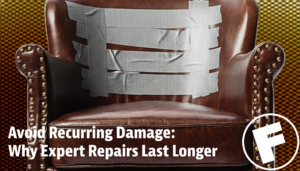
The retail market is filled with quick-fix products promising miraculous restorations for leather, vinyl, and plastic surfaces. These consumer-grade repair kits generally rely on generic, one-size-fits-all adhesives, filler compounds, and topical colorants. While they may offer a temporary aesthetic cover for a few days or weeks, they fundamentally lack the molecular properties required to bond with advanced automotive materials.
Automotive interiors utilize highly specialized, synthetic polymers, top-treated hides, and engineered plastics designed to meet strict safety and weight standards. A generic retail compound cannot adapt to these varied chemistries. For instance, putting a rigid consumer glue onto a flexible vinyl bolster creates a hard spot on a surface meant to flex. As soon as a passenger sits in the seat, the surrounding flexible material stretches while the hard repair patch remains completely rigid. This concentrates all the physical stress directly along the boundary line of the repair, inevitably causing the material to tear open again, often ripping away healthy surrounding fibers in the process.
Furthermore, many store-bought kits require heat application via rudimentary tools like a small metal disk heated on a household iron. Without exact thermal control, an untrained hand can easily scorch the delicate grain of authentic leather or melt the underlying foam structure of a vinyl door panel, turning a simple cosmetic touch-up into a massive, costly structural failure.
Understanding Structural Integrity in Soft Surfaces
Soft surfaces inside a vehicle undergo massive structural stress. Consider a standard driver’s seat bolster. Every time someone enters or exits the vehicle, their weight compresses the seat cushion, dragging heavy clothing across the material while twisting and sliding against the support structure. This routine creates severe mechanical friction and multi-directional tension.
A truly durable upholstery repair must address more than just the superficial top layer of the material. It must restore the internal matrix of the fabric, vinyl, or leather. When professional technicians evaluate a tear or a split seam, they analyze the structural integrity of the backing material and the surrounding structural support.
If the backing fibers are compromised, simply filling the top surface with color or paste will fail immediately under the weight of the next occupant. Choosing expert repair services utilizes advanced structural backing meshes and flexible sub-surface reinforcement nets that mimic the natural elasticity of the original material. By reinforcing the foundation first, the surface repair is completely insulated from the pulling and tearing forces generated during daily use.
The Science of Material Matching: Leather, Vinyl, and Plastic
No two interior surfaces are identical, even within the exact same vehicle make and model. A dashboard is built to withstand extreme heat and solar loading but remains completely static. A seat cushion must breathe, stretch, and recover its shape thousands of times. A steering wheel must resist constant exposure to skin oils, sweat, friction, and chemical hand sanitizers. Because these components serve vastly different functions, they are engineered from entirely distinct material formulations.
Leather Substrates
Modern automotive leather is highly complex. Unlike furniture leather, car leather is treated with specialized topical sealants and UV blockers to protect it from the intense greenhouse environment inside a cabin. When these top-coats wear down, the underlying hide is exposed to moisture and dry-rot. A comprehensive professional interior restoration involves stripping away the compromised top-coats, stabilizing the raw collagen fibers of the hide, and applying proprietary conditioners and cross-linking color coats that integrate directly with the leather’s cellular structure rather than just sitting flat on top of it.
Vinyl and Polyurethanes
Vinyl is an incredibly durable plastic material, but it relies on chemical plasticizers to remain soft and pliable. Over years of exposure to solar heat, these plasticizers gradually evaporate, causing the vinyl to become brittle, dry, and prone to sudden, clean splits along stress lines. Professional technicians do not just glue these splits together; they introduce specialized rejuvenation compounds that help stabilize the remaining plasticizers while using heat-cured, flexible polymers that chemically weld the split edges back into a single cohesive sheet.
Thermoplastics and Hard Plastics
Dashboards, door panels, and center consoles are primarily composed of molded thermoplastics like ABS or polypropylene. When these parts crack due to heat expansion or impact, standard adhesives will not hold because the smooth plastic surface offers no mechanical grip. True restoration requires chemical adhesion promoters or specialized plastic welding techniques that melt the cracked edges together at precise melting points, effectively erasing the fracture line at a structural level.
Environmental Factors and the Inside of Your Car
The interior of a parked vehicle is an aggressive, hostile environment. On a hot summer day with an outside temperature of 90 degrees Fahrenheit, the ambient air inside a closed car can easily skyrocket to over 140 degrees within an hour. More alarmingly, direct sunlight hitting dark dashboard plastics or deep leather seats can heat those specific surfaces to well over 180 degrees.
This extreme thermal-cycling causes significant physical expansion and contraction. As materials heat up, they expand; as they cool down at night, they contract. If an interior repair does not possess the exact same thermal expansion coefficient as the original material, the constant expanding and shrinking will tear the repair patch completely away from its host substrate.
In addition to thermal stress, ultraviolet light continuously breaks down the molecular bonds of unprotected plastics and polyurethane finishes, leading to fading, chalking, and microscopic surface cracking. Expert restoration strategies always include the application of industrial grade UV inhibitors and clear protective top-coats that shield the repaired zone from future solar degradation, guaranteeing a long lasting vehicle repair.
Why Technical Expertise Outperforms DIY Solutions
The human eye is incredibly sensitive to variations in texture, sheen, and color. This sensitivity is why most DIY interior repairs look obvious and unappealing. Achieving an invisible, structurally sound repair requires a level of technical mastery and equipment access that cannot be found in a retail box.
Perfect color matching is a meticulous blend of science and art. Automotive interiors fade unevenly based on how light enters the windows. The driver’s side bolster might be lighter and drier than the passenger’s side due to sun exposure. A professional technician does not simply look up a factory color code and spray it on the seat. They manually mix toners drop-by-drop, accounting for fading, ambient light variations, and subtle undertones to create a perfect, custom match for that exact spot.
Furthermore, reproducing the original factory texture is incredibly difficult. Automotive vinyl and leather feature distinct grain patterns, ranging from fine pebble grains to coarse, deep textures. Performing a detailed leather seat restoration ensures that technicians utilize specialized grain copying compounds and graining pads to imprint the exact texture of the surrounding healthy material directly onto the curing repair compound. This attention to detail ensures that the repaired zone reflects light in the exact same manner as the rest of the interior, rendering the damage completely undetectable.
The Economic Value of Commercial Fleet Management
For businesses operating delivery vans, car rentals, corporate cars, municipal vehicles, or luxury transport, interior degradation is a direct threat to the bottom line and corporate image. A worn, torn, or foul smelling interior signals neglect to clients and drastically slashes the resale value of the asset when it comes time to cycle the fleet.
Replacing entire interior components is a massive, often unjustifiable capital expense. Ordering a new factory leather seat assembly or a complete replacement dashboard can cost thousands of dollars per vehicle, not including the steep cost of professional labor to tear down and rebuild the cabin. Additionally, waiting for factory replacement parts can leave critical commercial vehicles sidelined for days or weeks, resulting in costly operational downtime.
Deploying professional fleet maintenance solutions completely changes this financial dynamic. Mobile restoration experts can arrive directly at a commercial lot or maintenance depot, performing high-quality, durable repairs right inside the vehicle within a matter of hours. By restoring existing assets instead of discarding them, fleet operators can save up to 90% of the cost of total component replacement while keeping their vehicles on the road earning revenue.
Preserving Capital Investment and Vehicle Resale Value
For individual vehicle owners, the condition of the interior cabin is one of the most critical factors determining resale or trade-in value. While a clean exterior body and a well-maintained engine are vital, a prospective buyer spends all their time inside the vehicle looking at the dashboard, gripping the steering wheel, and sitting on the upholstery.
A cabin marred by cracked leather, peeling vinyl, or scratched plastics screams poor maintenance, driving down the perceived value of the entire machine. Buyers immediately calculate the heavy cost of interior replacement and subtract that from their offers. Investing in specialized automotive upholstery care before putting a vehicle on the market pays back dividends by removing visual bargaining chips from buyers, facilitating a faster sale at a premium price point.
Sustainable Practices: Choosing Restoration Over Replacement
Beyond the clear financial benefits, selecting restoration over replacement represents an important, eco-friendly choice for sustainable asset management. The manufacturing process for automotive interiors is incredibly resource intensive. Producing virgin leather requires significant agricultural input, while automotive plastics and vinyl are heavily reliant on petroleum-based chemical processing.
When a vehicle owner discards a scratched dashboard or a torn seat to install a brand new factory replacement, the damaged component is almost always sent directly to a landfill. Because these components are composed of complex, bonded materials like polyurethane foams, heavy backing plastics, and metallic wire-frames, they are incredibly difficult to recycle and take centuries to decompose.
Choosing dedicated restoration services prevents these bulky items from filling up local landfills. It extends the useful life of existing materials, minimizes the demand for new manufacturing runs, and shrinks the carbon footprint associated with global shipping and parts distribution. It is a highly effective way to practice true environmental conservation without sacrificing the luxury, comfort, or beauty of your vehicle’s cabin.
The Comprehensive Inspection and Preparation Process
The secret to a truly permanent repair lies heavily in the preparation phase. A professional technician never applies a repair compound directly to a damaged area without a thorough cleaning and decontamination process. Over years of operation, vehicle interiors accumulate deep layers of body oils, tracking grease, silicone-based detailing sprays, dust, and microscopic chemical residues.
If any of these contaminants remain on the surface, they act as a barrier, completely blocking the repair polymers from bonding with the substrate. The restoration process begins with an intensive chemical cleaning using specialized, material-safe solvents designed to strip away oils and silicones without drying out the underlying leather or plastic.
Once fully decontaminated, the edges of the tear or crack are carefully prepped. Jagged, frayed fibers are trimmed back, and smooth plastics are lightly micro-sanded to create a clean profile that maximizes physical adhesion. Only after this rigorous preparation sequence is completed does the actual structural restoration begin. This thorough, multi-step process ensures that the new repair material locks into the original substrate, creating a seamless, uniform bond built to withstand decades of future wear.
The interior of your vehicle is a reflection of your commitment to quality, comfort, and smart asset preservation. Settling for cheap, temporary retail fixes only invites recurring damage, deeper material degradation, and ultimately higher replacement expenses down the road. Trusting your vehicle to specialized restoration professionals guarantees that your cabin retains its luxurious feel, structural integrity, and maximum financial value for years to come. If you are ready to erase interior wear, protect your investment, and experience the difference of truly seamless craftsmanship, contact your local restoration specialists today to request an expert evaluation and custom estimate.
Frequently Asked Questions
Q: Can a deeply cracked leather seat bolster be fully restored without replacing the hide?
A: Yes. Expert repair techniques can completely stabilize deeply cracked leather bolsters. The process involves gently removing the old, failing factory finish, treating the area with highly flexible sub-surface reinforcement compounds, and applying specialized fillers that mimic the natural elasticity of real leather. The area is then custom colored and sealed with industrial top-coats, ensuring the bolster can easily withstand the constant friction and weight of daily entry and exit without cracking again.
Q: How long does a professional interior restoration take to cure before I can drive my car?
A: Most professional repairs are fully dried and ready for light use almost immediately after the service is completed. However, advanced cross-linking polymers and protective top-coats continue to cure at a molecular level over the next 24 to 48 hours. It is highly recommended to avoid exposing the newly restored area to intense friction, heavy moisture, or aggressive chemical cleaners during this brief initial curing window to maximize long term durability.
Q: Why do store-bought DIY leather and vinyl repair kits fail so quickly after application?
A: Consumer grade DIY retail kits rely on generic, air-dry chemical formulas designed to act as a universal patch for multiple material types. These formulas lack the specific polymer chemistry needed to bond correctly with specialized automotive grades of leather and vinyl. Because they lack elasticity, they quickly turn rigid and brittle under thermal stress and daily flexing, causing the repair to peel away and pull up healthy surrounding material.
Q: Can a dashboard with extensive cracking from sun exposure be safely repaired?
A: Yes. Deep dashboard cracks caused by extreme solar heat can be structurally repaired using advanced thermoplastic restoration techniques. Technicians treat the cracked zones by stabilizing the underlying substrate, relieving the built up material tension, and utilizing specialized flexible compounds that expand and contract at the exact same rate as the rest of the dashboard. This prevents the crack from reappearing during intense seasonal temperature swings.
Q: Are the chemicals and colorants used in professional interior restoration safe for families and pets?
A: Yes. High-quality professional restoration services utilize modern, water-based, low-VOC colorants and eco-friendly finishes that are completely non-toxic and odor-free once fully cured. These specialized products are designed to meet strict safety standards, ensuring that your vehicle’s cabin remains perfectly safe and comfortable for your children, pets, and family members immediately following the restoration service.
Q: How do professional fleet maintenance solutions save money for commercial vehicle operations?
A: Professional mobile restoration saves commercial operators significant money by drastically reducing vehicle downtime and completely eliminating the need to buy expensive factory replacement parts. Instead of taking a vehicle out of service for weeks to source and install new panels or seats, mobile technicians complete high-quality structural repairs on-site in just a few hours, lowering total restoration costs by up to 90% while keeping the fleet active.