
Leather and Vinyl Theatre Seating Repair: Preserving Comfort and Appearance
The commercial entertainment industry relies heavily on creating an immersive, comfortable, and visually pristine environment for guests. When patrons purchase a ticket to a movie premiere, a live theatrical performance, or a corporate seminar, they expect a premium experience from the moment they step into the auditorium. Central to this experience is the quality of the venue furniture. Over time, high foot traffic, food and beverage spills, and constant physical usage cause significant wear and tear on auditorium seating.
Maintaining these corporate assets requires a proactive approach. Opting for a professional seating restoration service ensures that your venue remains inviting, sanitary, and structurally sound without the exorbitant costs associated with purchasing entirely new furniture systems. This comprehensive breakdown explores the technical, financial, and operational advantages of specialized leather and vinyl upholstery repair for commercial theatres, stadium venues, and auditoriums.
The Critical Role of Seating in the Modern Entertainment Experience
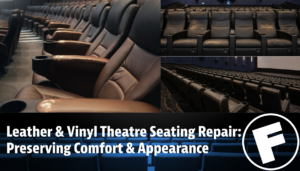
A professional theatre seating restoration service is the practice of repairing, deep cleaning, and rejuvenating worn or damaged chairs to their original aesthetic and structural condition. This specialized commercial discipline focuses on fixing surface blemishes, deep structural tears, frame sagging, and color fading in materials like leather, vinyl, and plastic, allowing entertainment venues to extend the operational life of their furniture assets dramatically.
In an era where streaming platforms offer ultimate convenience at home, commercial venues must offer an unmatched on-site experience to draw crowds. Premium luxury recliners, plush leather rockers, and durable vinyl stadium seats have become the baseline standard for modern cinema chains and independent playhouses alike. However, even the highest quality commercial materials degrade under the pressure of continuous, unyielding public use.
When a patron encounters a torn, stained, or peeling chair, it immediately compromises their perception of the venue’s cleanliness and professionalism. Worse yet, exposed internal foam or sharp backing materials can present safety hazards or ruin guest clothing. Addressing these issues through targeted auditorium furniture repair protects your brand reputation, prevents negative online reviews, and maintains the premium ticket pricing that modern luxury venues command.
Decoding the Damage: Why Theatre Chairs Deteriorate
Commercial furniture faces physical and environmental conditions far more severe than residential upholstery. Understanding the root causes of material breakdown helps facility managers implement better daily care strategies and recognize exactly when to call a professional technician.
Leather Seating Dynamics in Commercial Spaces
Premium VIP auditoriums frequently utilize real leather or heavy-duty leather composites to provide an upscale, premium aesthetic. While leather is exceptionally durable, it is a porous organic material that naturally absorbs body oils, sweat, and spilled carbonated beverages. Over months of continuous contact, these substances break down the protective factory top-coat of the leather skin.
Once the protective layer is compromised, the leather begins to dry out, leading to surface cracking, color loss, and eventual tearing along stress lines and seams. Additionally, standard commercial cleaning agents that contain harsh solvents or alcohol can accelerate this drying process, stripping away essential moisture and leaving the leather brittle. Specialized leather seating repair cinema services are designed to counter this specific chemical degradation by restoring natural moisture, patching deep tears, and reapplying commercial grade protective finishes that stand up to heavy public use.
The Vulnerabilities of Commercial Vinyl
Vinyl, also known as faux leather or polyurethane coating, is highly favored in standard theatre layouts due to its non-porous nature and ease of surface cleaning. However, vinyl faces its own unique set of degradation challenges over time. The primary issue with commercial vinyl is a process known as plasticizer migration. Plasticizers are chemical compounds added to vinyl during manufacturing to make the synthetic material flexible and pliable.
As vinyl is exposed to body heat, constant friction, mechanical flexing, and standard cleaning routines, these plasticizers gradually migrate to the surface and evaporate. This chemical process causes the vinyl to become rigid and stiff. Once the material loses its built-in elasticity, it begins to split and crack, particularly on armrests, seat cushions, and headrests where physical pressure is highest. This leads to an unsightly peeling effect that cannot be fixed by standard consumer patches, requiring advanced vinyl seat repair theatre techniques to seamlessly melt, fuse, and re-texture the damaged zones.
Economics of Scale: Why Seating Restoration Beats Replacement
For large commercial operations, every financial decision must balance upfront capital expenditure against long-term return on investment. Completely replacing an entire auditorium’s worth of seating is a massive financial undertaking that involves not only the purchase price of new chairs but also shipping costs, old furniture disposal fees, and substantial venue downtime.
Choosing a specialized restoration service offers a highly cost-effective alternative that aligns with lean operational strategies. Below is a detailed breakdown comparing the two approaches:
- Financial Investment: Complete replacement requires a high capital expenditure, often running into tens or hundreds of thousands of dollars for full auditorium overhauls. Restoration typically costs a small fraction of replacement, allowing facilities to reallocate budget to marketing or technology upgrades.
- Operational Downtime: Installing new seating can take weeks of venue closure, resulting in massive ticket and concession revenue losses. Professional restoration can be performed in micro-phases or overnight, ensuring zero disruptions to scheduled showtimes.
- Environmental Impact: Disposal of hundreds of heavy chairs adds significant bulk to local landfills, conflicting with corporate sustainability goals. Restoration is an eco-friendly practice that preserves existing structures, reduces waste, and minimizes the carbon footprint.
- Aesthetic Continuity: Replacing individual broken chairs often creates a mismatched look due to dye lot differences and fabric fading. Restoration allows technicians to perfectly color-match and spot-repair specific chairs, maintaining a unified visual appearance across the entire room.
By prioritizing localized repairs and surface rejuvenation, theater operators can extend the lifespan of their seating assets by several years, maximizing the initial capital investment while maintaining a flawless presentation for their audiences.
Step-by-Step Auditorium Furniture Repair Methodology
Restoring commercial seating is a precise science that combines chemistry, craftsmanship, and structural engineering. Professional technicians utilize advanced tools and proprietary compounds to ensure that every repair can withstand the rigors of thousands of future guests.
Step 1: Inspection and Decontamination
The restoratin process begins with a comprehensive structural and surface assessment. Technicians inspect each seat for underlying frame stability, foam degradation, and surface integrity. Following inspection, the material undergoes deep sanitization and decontamination.
This step removes embedded body oils, sticky concession residues, and old wax buildup. Specialized non-abrasive cleaners are used to open up the pores of the material, ensuring that any subsequent repair compounds and color dyes adhere perfectly to the structural base.
Step 2: Surface Prep and Sub-Layer Stabilization
For deep punctures, slashes, or tears, technicians must first stabilize the area from within. This is achieved by inserting a high tensile strength sub-patch beneath the torn leather or vinyl.
This sub-patch provides a structural foundation that reinforces the material and prevents the tear from expanding under the weight of future occupants. Once the sub-patch is secured with specialized flexible adhesives, the edges of the tear are carefully trimmed and sanded to create a smooth, workable surface.
Step 3: Precision Material Grain Replication and Filling
To make a repair virtually invisible, technicians must replicate the exact texture and grain pattern of the surrounding material. A heat-curable or air-dry flexible polymer filler is applied to the damaged area in thin, controlled layers.
Before the filler fully cures, a specialized graining mold or texturing pad is pressed into the compound. This mirrors the natural valleys and ridges of the surrounding leather or vinyl, ensuring the repaired spot catches the light in the exact same manner as the rest of the seat.
Step 4: Proprietary Color Matching and Dyeing
One of the most technically demanding aspects of auditorium furniture repair is color matching. Due to fading from ambient lighting, age, and cleaning wear, a seat rarely retains its original factory color code.
Technicians must mix primary pigments and toners by hand on-site, adjusting for hue, value, and saturation under the specific lighting conditions of the auditorium. The custom blended color coat is then meticulously applied using precision airbrushing tools to create a seamless transition from the repair zone to the untouched upholstery.
Step 5: Advanced Protective Sealants
The final step involves sealing the repair with a heavy-duty, commercial grade top-coat. This clear protective sealant determines the final sheen of the seat, whether it requires a matte, satin, or high-gloss finish.
More importantly, the top-coat acts as a barrier against UV rays, body oils, fluid spills, and mechanical abrasion. This step ensures that the restored section possesses the same durability, flexibility, and longevity as a brand new piece of factory furniture.
Tailoring Solutions: Vinyl Seat Repair Theatre vs. Leather Seating Repair Cinema
While the overarching principles of restoration remain similar, the molecular differences between leather and vinyl require distinct, tailored repair methodologies to achieve optimal durability.
Vinyl Seat Repair Dynamics
Vinyl repairs rely heavily on precise heat-cure compounds designed to melt and fuse synthetic layers back together. The primary operational objective here is restoring flexibility to the material to stop brittle cracking from spreading. Because vinyl lacks organic elasticity once it begins to degrade, technicians integrate a specialized synthetic backing matrix to provide long-lasting structural reinforcement under pressure.
Leather Seating Repair Dynamics
Leather repairs utilize air-dry, highly flexible cross-linking polymers that respect the natural breathability of real hide. The technical objective focuses on re-hydrating individual leather fibers and stabilizing natural surface tension. To match the density of the surrounding luxury chair, technicians insert organic or split-leather sub-patches behind the damage to create a structurally sound foundation.
When dealing with a vinyl seat repair theatre environment, technicians work with synthetic polymers. Vinyl responds exceptionally well to heat-activation methods. Using specialized heating irons and cooling blocks, technicians can literally fuse the repair compound with the surrounding vinyl edges, creating a single, continuous synthetic sheet. Because vinyl lacks natural elasticity once its plasticizers are gone, the filling compounds used must feature exceptional built-in elasticity to handle the constant compression of patrons sitting down and standing up.
In contrast, a leather seating repair cinema project deals with a natural, fibrous material. Leather requires air-dry polymers that mimic the breathability and structural movement of animal hide. Heat must be used with extreme caution on leather, as excessive temperatures can shrink the natural fibers and cause permanent warping.
Furthermore, leather repairs require deep penetrating conditioners to re-hydrate the surrounding area before any color coat is applied. This ensures the repair remains soft and integrated with the natural drape of the luxury chair.
Implementing a Long-Term Theatre Maintenance Seating Strategy
To maximize the life of auditorium furniture and minimize emergency repair costs, facility managers should establish a comprehensive maintenance framework. Relying solely on reactive repairs when a seat becomes completely unusable is an inefficient strategy that can lead to higher overall operational expenses.
An effective theatre maintenance seating program should include the following core elements:
- Routine Staff Training: Instruct your nightly cleaning crew on the correct usage of cleaning products. Ensure they completely avoid alcohol-based sanitizers, bleach, or harsh degreasers on leather and vinyl surfaces. Provide them with mild, pH-balanced commercial upholstery cleaners specifically formulated for synthetic and natural skins.
- Daily Visual Swipes: Empower floor staff to perform quick visual inspections after busy showtimes. Catching a small 1-inch split or loose seam early allows for a rapid, low-cost intervention before the damage expands into a major tear that exposes internal foam cushion blocks.
- Proactive Rotational Schedules: In auditoriums with traditional non-reserved seating arrangements, certain chairs (such as those in the middle rows or at eye level with the screen) experience significantly more wear than corner or front-row seats. Periodically swapping cushions or component parts can distribute wear more evenly across your entire inventory.
- Professional Service Agreements: Partnering with an expert restoration provider for ongoing scheduled maintenance ensures that your venue is inspected by professionals every quarter. Under these agreements, technicians proactively spot-treat minor scuffs, re-dye fading headrests, and reinforce weakening seams before they become noticeable to your patrons.
Optimize Comfort, Safety, and Aesthetics across Your Venue
Maintaining the pristine condition of your auditorium furniture is a direct investment in your business’s bottom line. By preserving the comfort, safety, and visual appeal of your leather and vinyl seating, you build lasting patron loyalty and safeguard your brand’s reputation for premium quality. Do not let worn, cracked, or damaged upholstery detract from the world-class entertainment your venue provides.
Whether you operate a single historic independent playhouse or a multi-state luxury cinema chain, professional restoration offers the fast turnaround, exceptional durability, and cost savings your facility demands. Reach out to a local commercial restoration expert today to request a comprehensive multi-seat assessment and discover how a customized maintenance agreement can protect your venue’s most valuable assets for years to come.
Frequently Asked Questions
Q: How long does a typical theatre seating restoration service take to complete?
A: Most commercial seating restoration projects are structured to minimize disruption to venue operations. Technicians frequently work overnight or during off-peak morning hours when no screenings or performances are scheduled. A single standard surface repair can often be completed and ready for guest use within a few hours, allowing an entire row or section to be completely refreshed between business days without losing a single dollar of ticket revenue.
Q: Can restoration handle large rips where the internal foam is completely exposed?
A: Yes, advanced auditorium furniture repair techniques can successfully resolve severe damage, including deep tears that expose internal structural foam. Technicians will first stabilize or reshape the internal foam structure, install a heavy-duty sub-patch matrix underneath the original upholstery layer to bridge the gap, and then build up flexible filler compounds to match the surrounding surface height before texturing and color-matching.
Q: What is the lifespan of a professional leather or vinyl upholstery repair?
A: When executed by an experienced technician using commercial grade flexible polymers and industrial top-coats, a professional repair can last for several years under normal commercial traffic conditions. The overall longevity depends heavily on adhering to recommended maintenance practices, such as using pH-balanced cleaning solutions and avoiding harsh chemical solvents that strip the protective clear sealants.
Q: Why is complete furniture replacement often discouraged for commercial venues?
A: Complete replacement involves substantial hidden costs beyond the initial price tag of the new chairs, including expensive shipping fees, labor costs for removing old fixed seating layouts, and disposal fees at landfills. Additionally, manufacturing and shipping delays can result in prolonged auditorium closures, meaning venues lose significant revenue from canceled events, making localized restoration a much faster, affordable, and sustainable option.
Q: Are the chemicals and dyes used in the restoration process safe for cinema patrons?
A: Yes, professional restoration processes utilize advanced, water-based, non-toxic compounds that are explicitly formulated for high-contact commercial environments. Once the dyes and protective top-coats have fully cured, they are completely odorless, safe for human skin contact, and chemically stable, ensuring a healthy environment for your staff and guests.
Q: How do ongoing maintenance agreements help lower facility management expenses?
A: Ongoing theatre maintenance seating agreements allow facility managers to shift from expensive reactive repairs to efficient, preventative care. By scheduling regular quarterly or bi-annual professional check-ups, minor surface scuffs, small seam separations, and early plasticizer loss can be treated before they escalate into massive, structurally damaging failures that require full upholstery replacement.