Professional Private Jet Interior Restoration for Luxury Aircraft Owners
The cabin of a private aircraft is far more than a transportation vessel. It is a flying boardroom, a sanctuary of relaxation, and a direct reflection of personal and corporate prestige. For luxury aircraft owners, corporate flight departments, and charter operators, maintaining the pristine condition of this high-profile environment is non-negotiable. Over time, however, even the most meticulously cared for interiors succumb to the realities of flight hours. UV exposure from high-altitude windows fades rich leather, daily operational use wears down high-touch armrests, and turbulent flights leave unavoidable scuffs on premium plastic panels and vinyl trim.
When an aircraft cabin begins to show these signs of wear, owners face a critical decision. Opting for a complete, ground-up replacement of the interior cabin components is an incredibly expensive undertaking, often costing hundreds of thousands of dollars. Worse yet, a full replacement forces the aircraft into an extended period of maintenance downtime, grounding your asset for weeks or even months at a time. This is where professional private jet interior restoration offers a highly strategic alternative, blending master-level craftsmanship with sophisticated repair techniques to renew the cabin to a like-new state without the extreme costs and operational delays of total replacement.
The Unique Standards of Aviation Interiors
Restoring the interior of a luxury aircraft is vastly different from working on premium automotive or residential projects. The aviation environment is strictly regulated, demanding specialized expertise and an intimate understanding of aerospace materials. Every single component inside a private jet cabin must meet rigid criteria set by aviation authorities like the Federal Aviation Administration (FAA). This includes stringent burn testing requirements and flame-retardant regulations designed to ensure passenger safety at thirty-five thousand feet.
Professional restoration specialists do not merely fix surface imperfections; they utilize proprietary, specialized products manufactured precisely to adhere to these FAA standards. Whether treating an aniline leather seat, an executive writing desk trim, or a thermoplastic window surround, every compound, dye, and structural adhesive used must maintain the airworthiness and compliance certification of the aircraft. Working with a dedicated aviation renewal specialist ensures that your aesthetic investments never compromise your regulatory standing.
The Art and Science of Luxury Aircraft Upholstery Restoration
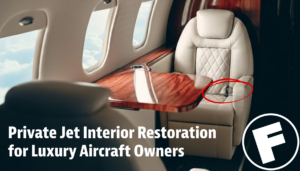
The seating is the undeniable centerpiece of the executive jet cabin. Standard private jet configurations feature specialized club seating, divans, and crew seats wrapped in the finest grades of European bovine leather, sheepskin, or ultra-premium textiles. Because these seats experience continuous pressure, weight distribution shifts, and friction from clothing, they naturally develop a worn patina, micro-cracking, and localized discoloration.
Rather than stripping away these highly costly, custom-tailored leather hides, master technicians focus on precision reconditioning and color matching. The process begins with a meticulous deep cleaning to strip away accumulated body oils, dirt, and chemical residues from past surface treatments without drying out the natural skin. Once the substrate is clean, proprietary leather fillers and structural stabilizers are applied to address micro-tears, creasing, and scuffs.
The most transformative phase involves exact color replication. Using advanced colorimetry and artisanal mixing techniques, specialists match the original OEM color palette of the jet, accounting for subtle environmental aging so the repaired zones blend seamlessly with the untouched cabin elements. A specialized, flame-retardant topcoat seal is then applied, which restores the supple feel and factory-matte finish of the leather while providing crucial resistance to future oil absorption and UV degradation. This comprehensive approach to luxury aircraft upholstery keeps the cabin looking flawless through hundreds of subsequent flight hours.
Reclaiming the Pristine Look of Cabin Plastics and Vinyl Trim
While leather captures the most attention, the extensive use of specialized plastics, polycarbonate blends, and vinyl coverings forms the structural backbone of the cabin’s visual identity. Look around any executive jet and you will find these materials everywhere: the window shrouds, the overhead PSU (Passenger Service Unit) panels, the lower sidewalls, the lavatory vanities, and the cockpit control surrounds.
These hard and semi-rigid surfaces are highly susceptible to physical impacts. Heavy baggage tags strike the entryway bulkheads, galley service carts bump against partitions, and maintenance tools accidentally scratch the pilot console during routine avionics checks. Replacing a single cracked window panel can require a lengthy lead time from the OEM and extensive labor to disassemble the cabin wall.
Through advanced executive jet restoration methodologies, these plastic and vinyl components can be repaired directly in place. Technicians utilize advanced structural bonding agents to weld cracked plastics back together at a molecular level, reinforcing the weak points from behind to ensure structural integrity. Surface gouges are filled with specialized polymers that mimic the flexing properties of the original material. Finally, the surface texture is meticulously re-created using graining pads before the part is color-matched and finished. The result is a completely invisible repair that restores the sleek, unbroken lines of the interior shell.
A Comprehensive Approach to Aircraft Cabin Refurbishment
When planning an entire aircraft cabin refurbishment, the goal is always to balance a beautiful outcome with smart asset management. Focusing on localized repairs instead of bulk material replacement allows flight departments to target only the areas that require attention. This philosophy is particularly useful for charter fleets that experience high passenger turnover, where minor damage occurs frequently but does not justify a multi-week service delay.
By integrating localized aviation leather repair alongside the reconditioning of wood veneers, hardware plating, and soft goods, operators can achieve a completely refreshed environment. The process addresses hidden wear spots such as the interior pockets of executive writing desks, lower kick panels, and emergency exit surrounds ensuring that every square inch of the space feels cohesive and premium. This meticulous care protects the initial customization choices made when the aircraft was first commissioned.
Addressing the Flight Deck: Jet Cockpit Restoration Challenges
A frequently overlooked area of aircraft maintenance is the flight deck. The cockpit is an intense workspace where pilots spend thousands of hours flipping switches, adjusting throttles, and resting their arms on control wheels or side consoles. Consequently, pilot seats, glare shields, control yokes, and side panels experience accelerated wear compared to the main passenger cabin.
A worn, sticky glare shield or a cracked, peeling yoke cover isn’t just an eyesore; it can distract the flight crew and detract from the overall professional presentation of the aircraft during pre-flight walkthroughs with principal passengers or charter clients. Undergoing a dedicated jet cockpit restoration requires absolute precision to avoid interfering with sensitive avionics, instrumentation, and control movements. Specialized matte coatings are used on glare shields to reduce unwanted reflections, ensuring maximum visibility and safety while restoring a clean, clean-lined aesthetic to the command center of the jet.
The Economic and Operational Advantages of Restoration
For aircraft flight departments and asset managers, every decision is balanced between cost, aesthetic outcome, and aircraft availability. Embracing a restoration-first philosophy provides distinct advantages across all three metrics.
- Dramatic Cost Efficiency: Total cabin retrofits can easily cost five to six figures depending on the size of the aircraft. Surface and material restoration typically represents a small fraction of that cost, allowing owners to reallocate maintenance budgets to critical mechanical upgrades or avionics modernizations.
- Minimized Downtime: Time is the most valuable asset in business aviation. While a complete interior refurbishment can ground a jet for a month or longer, targeted leather, plastic, and vinyl restoration can often be completed in a matter of days. Many specialists can perform these repairs concurrently with scheduled phase inspections or engine maintenance, resulting in zero net loss of operational availability.
- Preservation of Asset Value: When it comes time to sell or trade an aircraft, the interior condition heavily influences the final valuation. A cabin that looks immaculate, free of cracks, tears, and discoloration, signals to prospective buyers that the entire aircraft has been maintained to the highest possible standards.
A Sustainable Choice for Forward-Thinking Aviation
In the modern aerospace landscape, sustainability has evolved from a secondary consideration into a core corporate mandate. Tearing out hundreds of pounds of sound leather hides, perfectly functional structural plastics, and structural panels simply because of surface imperfections creates immense material waste.
Choosing to revitalize your existing cabin elements directly lowers the environmental footprint of your flight operations. It reduces the demand for new raw material manufacturing, eliminates the energy-intensive logistics of shipping large interior replacement components, and keeps usable luxury materials out of waste streams. Restoration preserves the extraordinary craftsmanship originally poured into your aircraft while honoring modern ecological standards.
Partnering with the Right Aviation Renewal Specialists
To achieve results that mirror the original factory finish of a Gulfstream, Bombardier, Cessna, or Embraer interior, you must look beyond general upholstery or mobile repair providers. True aviation restoration demands specialized training, access to certified materials, and a proven track record of working within the stringent constraints of the aerospace sector.
Fibrenew specializes in providing an elite level of service by manufacturing high-quality, specialized products that satisfy rigorous FAA burn testing requirements. Their expert technicians specialize in the repair, reconditioning, renewal, and color restoration of leather, plastic, and vinyl components across the entire aviation space. Whether you are dealing with faded crew seating or damaged plastic moldings, their expertise ensures that your interior looks stunning while maintaining strict compliance.
Furthermore, they offer mobile capabilities, allowing a local franchise owner or expert technician team to work directly inside your hangar or at your preferred FBO (Fixed-Base Operator) facility. This level of service eliminates the risk and logistical headache of removing sensitive cabin components from the airframe, guaranteeing a controlled, secure, and highly efficient renewal process from start to finish.
By trusting your aircraft to certified professionals who understand the intricate balance of beauty, longevity, and aviation safety compliance, you ensure that every departure occurs in an environment of absolute comfort and prestige. Keep your eyes on the skies and your cabin in flawless condition by making targeted material restoration a fundamental part of your aircraft maintenance strategy.
If the interior of your luxury aircraft or executive charter jet is showing signs of high-altitude wear, faded leather, or scuffed plastics, do not face the immense expense and lengthy grounding of a complete replacement. Let Fibrenew’s elite team of certified aviation restoration specialists revitalize your cabin to its original splendor using premium, FAA-compliant techniques tailored specifically for high-end aerospace materials. Contact your local franchise owner today to request a comprehensive service estimate and discover how seamlessly we can transform your private jet interior during your next scheduled downtime.
Frequently Asked Questions
Q: Are the materials and coatings used in your private jet interior restoration compliant with FAA safety regulations?
A: Yes, absolutely. Every compound, leather filler, dye, and protective topcoat utilized during the restoration process is specifically engineered and manufactured for aerospace applications. These specialized products are fully certified to meet all applicable Federal Aviation Administration burn testing and flame-retardant requirements, ensuring your aircraft remains completely airworthy and compliant.
Q: How long does a typical executive jet restoration project take compared to a complete interior replacement?
A: While a total interior tear-out and replacement can ground your aircraft for several weeks or months, professional touch-ups and surface restorations are measured in days. Minor leather repairs, plastic crack welds, and color-matching services can frequently be completed in 48 to 72 hours, and can often be scheduled to run concurrently with your routine mechanical maintenance or structural inspections.
Q: Can you perform luxury aircraft upholstery repairs on highly specialized or custom interior leather colors?
A: Yes. Advanced aviation restoration relies on precise color-matching technology combined with artisan hand-toning. Technicians can replicate any OEM or custom interior color palette seamlessly, accounting for any natural, subtle aging of the surrounding cabin materials so that the repaired areas are entirely invisible to the naked eye.
Q: Is it necessary to remove the seating or sidewall panels from the aircraft for the restoration to take place?
A: In the vast majority of cases, no. Mobile restoration teams are fully equipped to perform precision cleaning, structural conditioning, plastic welding, and leather re-dyeing directly inside the aircraft cabin while it sits securely in your hangar or at an FBO. This on-site capability eliminates the risks of component damage during transit and dramatically reduces overall turnaround time.