
Leather Care Guide: How to Protect and Extend the Life of Leather Products
Leather has long been valued for its durability, comfort, and timeless appeal. Whether it is found on a favorite sofa, an executive office chair, a recliner, or other upholstered furnishings, quality leather adds warmth and sophistication that few other materials can match. It is also an investment that can provide decades of use when properly maintained.
Unlike synthetic upholstery, leather is a natural material that continues to change over time. It develops character through everyday use, but it also responds to its environment. Sunlight, temperature changes, body oils, dust, spills, and normal wear all influence how leather looks and performs throughout its life. Without proper attention, even high-quality furniture can begin to fade, dry out, or show signs of premature aging.
Fortunately, preserving leather does not require complicated routines. A combination of consistent habits, routine inspections, and professional care when needed can help keep furniture looking its best for years. Understanding how leather ages and knowing what contributes to damage allows homeowners and businesses to make informed decisions that protect their investment.
This guide explores practical strategies for leather care, explains common causes of damage, and shares simple ways to help extend the lifespan of leather furniture while maintaining its beauty, comfort, and value.
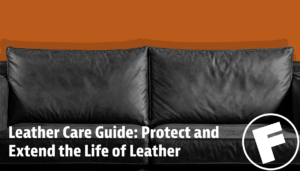
Why Leather Deserves Regular Attention
Leather is designed to withstand daily use, but durability should never be mistaken for being maintenance-free. Like wood and other natural materials, leather benefits from routine care that helps preserve its appearance and flexibility.
Over time, microscopic dust particles settle into the surface, natural oils from skin accumulate in frequently used areas, and changing indoor conditions gradually affect the fibers beneath the finish. These changes often happen slowly, making them easy to overlook until noticeable wear begins to appear.
Establishing a routine for leather maintenance helps slow this natural aging process. Rather than waiting for visible damage, regular upkeep keeps surfaces cleaner, reduces unnecessary wear, and supports the long-term condition of the material.
Well-maintained leather typically retains its softness, rich color, and comfortable feel much longer than furniture that receives little attention.
What Causes Leather to Wear Prematurely?
Many forms of damage develop gradually through everyday use rather than from a single accident. Recognizing these common factors can help prevent unnecessary deterioration.
Sunlight and Ultraviolet Exposure
Natural light brightens a room, but continuous exposure can have lasting effects on leather upholstery. Ultraviolet rays slowly break down pigments and natural fibers, causing colors to fade and surfaces to become dry over time.
Furniture positioned near large windows often experiences uneven aging because one side receives more direct sunlight than the other. Armrests, seat cushions, and headrests are usually the first areas to show fading.
Closing blinds during the brightest parts of the day or repositioning furniture can help reduce prolonged exposure.
Everyday Contact
Leather comes into contact with people every day. Natural oils from skin, hair products, lotions, and cosmetics gradually transfer onto seating surfaces. While this process is unavoidable, these residues can attract dust and dirt if they are allowed to build up.
High-contact areas, including armrests and headrests, generally require more frequent attention because they experience repeated use.
Dust and Dirt
Dust may seem harmless, but tiny particles can become abrasive as people sit, shift, and move across the furniture. Over time, this friction slowly affects the finish and contributes to dullness.
Regular leather cleaning removes these particles before they have an opportunity to create additional wear.
Dry Indoor Conditions
Heating systems and air conditioning can significantly reduce indoor humidity. When the surrounding air becomes excessively dry, leather may gradually lose moisture, reducing its flexibility.
As leather becomes less supple, the likelihood of small cracks and surface stiffness increases.
Maintaining a comfortable indoor environment benefits both the furniture and the people using it.
Spills and Stains
Food, beverages, ink, cosmetics, and other household substances can leave lasting marks if they remain on the surface for extended periods.
Prompt attention usually limits the impact of accidental spills. Blotting liquids gently with a clean cloth is generally more effective than rubbing, which may spread the stain further into the material.
Early Signs Your Leather Needs Attention
Leather rarely becomes damaged overnight. In most cases, it provides several warning signs that indicate it would benefit from additional care.
Some of the most common indicators include:
- A dull or faded appearance
- Minor surface scratches
- Stiffness when touched
- Areas that appear darker from oil buildup
- Light discoloration
- Small surface cracks
- Uneven coloring
- Worn finish in frequently used areas
Addressing these issues early often helps preserve both the appearance and longevity of the furniture.
Practical Habits That Help Preserve Leather
Long-lasting furniture is usually the result of consistent habits rather than occasional deep cleaning. Small actions performed throughout the year can make a noticeable difference over time.
Remove Dust Regularly
Using a clean microfiber cloth every week helps remove loose dust before it settles into the grain. This simple routine takes only a few minutes but contributes significantly to preserving the finish.
Vacuuming around seams and creases with a soft brush attachment also helps remove debris from hard-to-reach areas.
Clean Spills Promptly
Accidents happen in every home and workplace. Whether it is coffee, juice, or another liquid, addressing the spill immediately reduces the chance of staining.
Blot the affected area carefully instead of scrubbing it. Aggressive rubbing may damage the finish or spread the liquid deeper into the upholstery.
Rotate Removable Cushions
If cushions are reversible or removable, rotating them periodically encourages more even wear across the furniture.
This simple habit helps prevent one section from aging significantly faster than another.
Protect Against Heat
Leather performs best when it is kept away from direct heat sources.
Fireplaces, portable heaters, radiators, and heating vents may gradually dry the material, making it more susceptible to cracking.
Leaving adequate space between furniture and heat-producing appliances helps preserve flexibility.
Maintain a Stable Indoor Environment
Rapid changes in temperature and humidity can place unnecessary stress on natural materials.
A comfortable indoor climate supports effective leather protection while helping reduce drying and excessive moisture that may affect the finish.
Understanding the Role of Conditioning
One aspect of leather furniture care that often creates confusion is conditioning. Many people assume every piece of leather should be conditioned frequently, but that is not always the case.
Different types of leather have different finishes and protective coatings. Applying products too often or using the wrong formulation may leave residue or alter the appearance of the surface.
When appropriate, leather conditioning helps maintain flexibility by replacing moisture that naturally diminishes over time. The ideal schedule depends on factors such as the type of leather, indoor climate, frequency of use, and overall condition of the furniture.
Professional guidance can help determine when conditioning is beneficial and which products are suitable for a specific piece.
Not All Leather Is the Same
Understanding the type of leather used in your furniture helps ensure that the right maintenance methods are followed.
Protected Leather
Protected or pigmented leather includes a durable finish that provides additional resistance to stains and everyday wear.
Because of its durability, it is one of the most common choices for residential furniture.
Routine cleaning and gentle maintenance are generally sufficient to preserve its appearance.
Aniline Leather
Aniline leather has little or no protective coating, allowing its natural texture and markings to remain visible.
It offers exceptional softness and a luxurious appearance but is more susceptible to staining, fading, and scratches.
Owners of aniline furniture should pay particular attention to sunlight, spills, and environmental conditions.
Semi-Aniline Leather
Semi-aniline leather combines the natural beauty of aniline leather with a light protective finish.
It provides a balance between comfort, appearance, and durability, making it a popular option for premium furniture.
Understanding these differences helps ensure that maintenance practices support, rather than compromise, the long-term condition of the material.
Everyday Habits That Prevent Damage
Many forms of wear can be avoided by making small adjustments to daily routines.
Avoid placing sharp objects, keys, or tools on leather seating. Clothing with metal rivets or decorative hardware can also create scratches during regular use.
Keep newspapers and magazines with fresh ink off light-colored leather for extended periods, as ink transfer can occur. Likewise, be mindful of dark denim or heavily dyed clothing, which may leave color transfer on lighter upholstery.
For households with pets, keeping nails trimmed helps reduce accidental scratches while minimizing unnecessary wear from jumping on and off furniture.
These simple precautions contribute to better long-term results without adding significant effort to daily life.
Seasonal Care Helps Preserve Leather Year-Round
Leather responds to changes in its environment throughout the year. Seasonal shifts in temperature and humidity can influence how the material looks and feels, making it worthwhile to adjust your routine as conditions change.
Spring and Summer
Warmer months often bring increased sunlight and higher humidity. While natural light can make a room feel inviting, prolonged exposure may gradually fade leather and dry the protective finish. If your furniture sits near large windows, consider rotating pieces occasionally or using curtains and blinds during the brightest parts of the day.
Summer is also a season when families entertain more often. Increased use means more exposure to sunscreen, body oils, food, and beverages. Wiping surfaces regularly and addressing spills promptly helps prevent buildup that can affect the appearance of the leather over time.
Fall and Winter
During colder months, heating systems often reduce indoor humidity, creating a drier environment. Low moisture levels can cause leather to lose flexibility, increasing the likelihood of stiffness or small surface cracks.
Inspect your furniture periodically throughout the winter for signs of dryness or fading. Addressing minor concerns early is much easier than waiting until the damage becomes more noticeable.
Commercial Furniture Requires Consistent Attention
Leather furniture is not only found in homes. It also plays an important role in creating a professional image across many industries.
Reception areas, executive offices, hotels, medical practices, restaurants, retail stores, and waiting rooms often rely on leather seating because it offers durability while creating a welcoming atmosphere.
Commercial furniture typically experiences much heavier use than residential pieces. Hundreds of people may sit in the same chair every week, leading to faster wear on cushions, armrests, and seating surfaces.
Routine inspections and scheduled maintenance help businesses:
- Maintain a professional appearance
- Extend the lifespan of furniture
- Reduce long-term replacement costs
- Improve the customer experience
- Preserve the value of commercial furnishings
Keeping furniture in excellent condition also reflects positively on a business, demonstrating attention to detail and care for customers and guests.
Common Mistakes That Can Shorten the Life of Leather
Many people unintentionally damage leather while trying to clean or protect it. Well-meaning efforts can sometimes create more problems than they solve.
Some of the most common mistakes include:
Using Household Cleaners
General-purpose cleaners, bleach, ammonia, or products containing harsh chemicals can strip away protective finishes and discolor leather.
Always use products specifically designed for leather surfaces or seek professional advice before applying unfamiliar cleaners.
Applying Too Much Water
Leather should never become saturated with water. Excess moisture can penetrate beneath the surface, affecting both the finish and the internal structure of the material.
When cleaning is necessary, use only a lightly damp cloth and dry the surface immediately.
Scrubbing Stains
Vigorous scrubbing often causes more harm than the stain itself. Aggressive cleaning may remove color, create uneven wear, or damage the finish.
Instead, blot spills gently and allow professionals to address stains that cannot be removed safely.
Using Abrasive Materials
Scouring pads, stiff brushes, and rough cloths can scratch leather and wear away its protective coating.
Soft microfiber cloths remain one of the safest options for routine cleaning.
Ignoring Small Problems
Minor scratches, fading, or worn areas rarely improve on their own. Small imperfections often become larger if left untreated, making restoration more challenging later.
Addressing issues early helps preserve both the appearance and structural integrity of the furniture.
When Professional Restoration Is the Better Option
Even with excellent care, leather naturally experiences wear over time. Daily use, environmental conditions, and unexpected accidents eventually leave their mark.
Fortunately, visible damage does not always mean replacement is necessary.
Professional restoration specialists can often renew leather furniture by repairing worn areas, restoring color, and improving the overall appearance while preserving much of the original material.
Professional services may help address:
- Surface scratches
- Minor cracks
- Fading
- Color loss
- Scuff marks
- Worn seating areas
- Dye transfer
- Small tears
- Finish deterioration
Because restoration focuses on preserving existing furniture, it is often a practical and cost-effective alternative to purchasing new pieces.
Why Restoration Is Often Better Than Replacement
Replacing leather furniture can be expensive, especially when dealing with high-quality sofas, sectionals, recliners, or commercial seating.
Beyond the financial investment, replacing furniture often involves delivery delays, disposal costs, and the challenge of matching existing décor.
Professional restoration offers several advantages:
- Extends the usable life of quality furniture
- Maintains the original comfort and fit
- Preserves sentimental or custom pieces
- Reduces unnecessary waste
- Costs significantly less than replacement in many situations
For homeowners and businesses alike, restoring leather furniture can provide excellent value while keeping well-made furnishings in service for many more years.
Building a Long-Term Care Routine
Protecting leather does not require complicated schedules or expensive products. The most effective approach is simply being consistent.
A practical routine might include weekly dusting, prompt attention to spills, occasional inspections for signs of wear, and professional service when deeper cleaning or restoration becomes necessary.
These habits work together to preserve appearance, improve durability, and help furniture continue looking its best through years of everyday use.
Whether the furniture is used daily in a busy family room or occasionally in a formal office, regular attention goes a long way toward protecting its condition.
Quality leather is designed to last, and thoughtful care helps ensure that it does.
Preserve Your Leather Investment with Professional Care
Routine maintenance plays an important role in keeping leather looking its best, but some situations require professional expertise. If your furniture has faded, become worn, developed scratches, or simply needs specialized cleaning, professional restoration can help extend its life while maintaining its original beauty and comfort.
Fibrenew specializes in restoring leather furniture rather than replacing it. From removing signs of everyday wear to repairing damaged surfaces and renewing color, professional restoration helps protect your investment and keep your furniture looking its best for years to come. Contact your local Fibrenew specialist to learn how expert care can restore the appearance and longevity of your leather furniture.
Frequently Asked Questions
Q: How often should leather furniture be professionally cleaned?
A: Most leather furniture benefits from professional cleaning every 12 to 24 months. Homes with children, pets, or heavy daily use may benefit from more frequent service to keep the furniture in excellent condition.
Q: Can faded or scratched leather furniture be restored?
A: Yes. Many types of fading, scratches, scuffs, color loss, and minor cracks can often be professionally repaired and restored, helping extend the life of the furniture without replacing it.
Q: What is the best way to protect leather furniture from everyday wear?
A: Regular dusting, prompt spill cleanup, avoiding prolonged sunlight, maintaining stable indoor conditions, and scheduling professional maintenance when needed are some of the most effective ways to preserve leather furniture.
Q: Is restoring leather furniture more affordable than replacing it?
A: In many cases, professional restoration is considerably less expensive than buying new furniture. It also preserves the original quality, comfort, and craftsmanship of pieces that still have many years of useful life remaining.