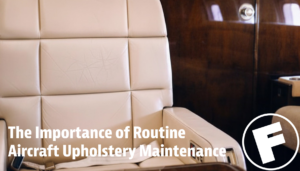
The Importance of Routine Aircraft Upholstery Maintenance Programs
The cabin of an aircraft is a closed ecosystem where first impressions, passenger comfort, and safety margins intersect. When a passenger steps on board, whether it is a private charter, a corporate jet, or a commercial airliner, the state of the interior serves as an immediate visual proxy for the mechanical health and operational integrity of the entire aircraft. Faded leather, cracked vinyl, and brittle plastic moldings do not just diminish the passenger experience; they signal a neglect of assets that can quickly turn into costly compliance issues and diminished resale valuations.
Establishing a robust program for aircraft upholstery maintenance is a strategic operational priority for fleet managers, private owners, and aviation maintenance departments alike. Beyond the obvious aesthetic advantages, proactive interior care directly impacts structural longevity, structural cabin safety, and adherence to unforgiving regulatory criteria. By understanding the underlying physics of cabin wear and utilizing advanced refurbishment techniques, operators can transform interior upkeep from a reactive line-item expense into an active capital preservation strategy.
The Mechanics of Cabin Wear and Tear
Aircraft interiors exist in an exceptionally hostile environment. Unlike terrestrial vehicles or residential furniture, aviation cabins are continuously exposed to dramatic shifts in atmospheric pressure, rapid fluctuations in temperature, and alternating humidity levels. When an aircraft climbs to cruising altitude, the relative humidity inside the cabin can drop significantly, often dipping below 10 percent. This persistent dryness acts as a desiccant, drawing moisture out of natural materials like leather and accelerating the degradation of synthetic polymers found in vinyl and plastic trim.
When the aircraft descends and rests on a tarmac in a humid climate, the materials undergo a rapid reversal, absorbing ambient moisture. This constant expansion and contraction cycle stresses the fiber matrix of leather seats and breaks down the plasticizers used to keep vinyl flexible. Over time, this results in micro-fissures, surface peeling, and a structural vulnerability to physical friction.
Compounding these environmental stressors is the intense mechanical wear inflicted by passengers and crew. Seats, armrests, and side panels endure continuous friction, weight-distribution shifts, oil transfers from human skin, and accidental punctures from luggage or footwear. Without specialized interventions, a minor surface abrasion can rapidly widen into a deep structural tear, rendering an asset unusable and requiring an expensive full replacement rather than a simple restorative touch-up.
The Legal Framework of Aviation Interiors
In the world of aviation, every square inch of the cabin is subject to rigorous safety mandates. Upholstery is not merely decorative; it is a critical component of the aircraft’s fire-blocking and crashworthiness design. The Federal Aviation Administration (FAA) enforces uncompromising guidelines regarding the flammability of cabin interior materials, primarily governed by Federal Aviation Regulations (FAR) parts such as 25.853. These rules dictate that any material used in the cabin must pass stringent vertical or horizontal burn tests to ensure it self-extinguishes within a specified timeframe and limits heat release and smoke density.
This regulatory framework changes the nature of professional aircraft cabin repair services. A standard commercial upholstery shop cannot simply stitch a patch onto an aircraft seat or spray a consumer-grade dye onto a worn leather armrest. Every compound, adhesive, pigment, and replacement material introduced into an aviation cabin must be fully certified and accompanied by corresponding documentation, such as FAA Form 8130-3 or burn test certifications.
When specialized treatments or an FAA compliant leather repair are performed by an uncertified entity, the operational legality of the entire aircraft is thrown into jeopardy. During regular inspections or ramp audits, a failure to produce documented proof of compliance for interior modifications can result in the immediate grounding of the aircraft. Working with an industry leader guarantees that the specialized products and techniques utilized during the restoration process strictly satisfy FAA burn testing requirements, preserving both the safety of your passengers and the airworthiness status of your fleet.
Financial Advantages of Restorative Maintenance
From an accounting perspective, aircraft hulls are depreciating assets, but the rate of that depreciation can be managed through intelligent maintenance protocols. A complete, mid-lifecycle aircraft interior refurbishment is a massive capital expenditure. Stripping down a cabin, procuring completely new seating frames, sourcing certified hides, and paying for specialized labor can take an aircraft out of service for weeks, leading to devastating losses in operational revenue.
Routine aviation interior maintenance offers a high-yield alternative to full-scale replacement. By shifting from a reactive mindset to a proactive, structured program, operators can extend the operational lifespan of their original cabin materials by several years.
Consider the economics of a single corporate jet seat. Over years of service, the high-friction zones on the seat cushions and armrests will inevitably lose their color, sustain small scratches, or suffer from dye transfer from passenger clothing. If left unaddressed, the leather will dry out, crack, and eventually split open, exposing the inner foam core. At that stage, repair is no longer viable; the seat must be entirely recovered or replaced.
In contrast, an ongoing maintenance program identifies these superficial wear patterns early. A technician can clean the hide deeply, stabilize micro-fractures, and apply a specialized leather seat restoration process with an FAA-compliant color-matched finish. This restores the leather’s natural suppleness and protective barrier. This localized restoration costs a small fraction of a total replacement and can often be completed during scheduled overnight downtime, completely eliminating the operational penalty of an unscheduled maintenance grounding.
Material Specific Restoration Techniques
A comprehensive interior care strategy requires a deep technical understanding of the various substrates present within the cabin. An aviation interior is a complex tapestry of leather, vinyl, and molded plastics, each requiring distinctly tailored preservation methodologies.
Advanced Leather Preservation
Natural leather is favored in premium and corporate aviation for its breathability, durability, and luxury appeal. However, it is an organic substrate that requires ongoing nourishment. Over time, dust and body oils accumulate within the pores of the grain, acting as an abrasive paste that wears away the surface finish from the inside out.
The restoration process begins with a specialized, non-bleaching cleaning phase that extracts deep-seated contaminants without stripping the leather’s essential moisture. Once clean, structural damage such as scuffs, gouges, or punctures are treated with flexible fillers specifically engineered to bond with the leather fibers while mirroring the material’s natural elastic properties. Finally, a meticulous color-matching process is executed to blend the repaired area seamlessly with the surrounding upholstery, finished with a protective topcoat that resists future UV degradation and mechanical abrasion.
Vinyl Reconstruction
Vinyl is frequently deployed in high-wear utility zones, structural shrouds, and lower sidewalls due to its initial resilience and ease of cleaning. However, when vinyl fails, it tends to crack sharply, often presenting jagged edges that can catch on clothing or scratch skin.
Repairing vinyl requires a thermal curing process. Technicians apply a specialized compound to the damaged area and use precise temperature controls to molecularly cross-link the repair material with the surrounding vinyl matrix. Graining pads are then used while the compound is still malleable to replicate the exact texture of the surrounding surface, ensuring that the repair is visually undetectable and structurally integral.
Thermoplastic Trim and Molding Revitalization
The window surrounds, reveal panels, overhead bin latches, and seat shrouds of modern aircraft are largely composed of specialized thermoformed plastics. These components are prone to becoming brittle over time due to UV exposure from high-altitude flight, leading to stress fractures around fastening points and unsightly discoloration.
Instead of discarding these expensive, molded plastic elements, advanced restoration techniques allow for structural welding and color renewal. Structural cracks can be reinforced from behind using specialized structural mesh and bonding agents, while the outward-facing surfaces are sanded down, primed, and coated with specialized finishes that bond at a molecular level with the plastic substrate. This returns the components to a factory-fresh appearance while reinforcing their mechanical stability.
Implementing a Structural Maintenance Schedule
To maximize the benefits of interior care, operators should integrate upholstery checks directly into their existing progressive maintenance programs or phase inspections. This systematic approach ensures that interior wear is never allowed to progress to a critical point of failure.
- Daily and Post-Flight Actions: Flight crews and detailing teams should perform basic inspections after every flight leg. This includes wiping down high-touch surfaces with approved, non-alcohol-based cleaners to remove body oils and identifying any sudden physical damage, such as a luggage puncture or an ink spill.
- Monthly Clean and Protect Protocols: Every 30 to 45 days, the cabin should undergo a more intensive conditioning process. Leather surfaces should be treated with specialized protectants that replenish lost moisture and maintain the hide’s compliance, while plastic and vinyl components are checked for early stress fractures.
- Annual Restorative Interventions: During major structural inspections or C-checks, an interior specialist should be brought in to conduct an exhaustive audit of the cabin. This is the optimal time to perform precision color-matching, repair deep gouges, restore faded armrests, and ensure that every element continues to fulfill both aesthetic expectations and FAA regulations.
Partner with an Aviation Interior Expert
The delicate balance of visual excellence, financial responsibility, and strict regulatory compliance means that aircraft interior care cannot be left to generalists. It demands specialized tools, certified materials, and an advanced understanding of aviation-specific substrates. Partnering with an expert network ensures that your fleet remains pristine, your investments are protected, and your aircraft stay safely in the air.
Fibrenew specializes in providing mobile, highly efficient restoration services tailored explicitly to the aviation sector. Our technicians are thoroughly trained to repair, recondition, and restore leather, plastic, and vinyl materials directly on-site, drastically minimizing your aircraft’s operational downtime. By manufacturing top-tier products that explicitly meet demanding FAA burn testing requirements, we provide peace of mind alongside unparalleled visual results. Whether managing a single private helicopter or an entire commercial fleet, our customized service programs are designed to keep your aircraft interiors looking exceptional while extending the operational lifespan of your valuable interior assets.
Ready to protect your investments and elevate your passenger experience? Reach out to your local restoration specialists today to schedule an on-site evaluation or to request a tailored maintenance estimate for your aircraft.
Frequently Asked Questions
Q: Can aircraft leather be repaired using standard automotive or residential leather care products?
A: No. Standard automotive or residential products are not designed to comply with aviation regulations. Aircraft leather must maintain specific flame-retardant properties mandated by the FAA. Using non-certified consumer cleaners, conditioners, or dyes can compromise the fire-blocking capabilities of the material, invalidate burn certifications, and potentially lead to regulatory grounding during an inspection. Always use specialized aviation interior maintenance providers who use certified, FAA-compliant restoration products.
Q: How long does a typical localized leather seat restoration take to complete?
A: One of the major advantages of professional spot repair and color restoration is its efficiency. Most localized repairs, such as restoring a worn armrest, filling a small puncture, or recoloring a faded seat cushion bolster, can be completed within two to four hours. Because our technicians can perform these services directly on-site inside the hangar, the work can easily be scheduled during routine maintenance turnarounds or overnight layovers without affecting flight operations.
Q: What are the main indicators that plastic molding in the cabin needs structural repair rather than just cleaning?
A: Plastic molding requires immediate professional attention if you spot hairline fractures around screw holes, visible cracking along stress lines, loose attachment points, or significant yellowing from UV exposure. Hairline cracks will inevitably expand due to vibration during flight, eventually causing the entire panel to snap. Catching these structural weaknesses early allows technicians to weld and reinforce the plastic from behind, saving the substantial cost of ordering a new OEM replacement panel.
Q: Is it financially viable to repair vinyl paneling on older aircraft, or should it be fully replaced?
A: In almost all circumstances, repairing and restoring vinyl paneling is far more cost-effective than a complete replacement. Sourcing new interior panels for older aircraft can be incredibly difficult, often requiring custom fabrication or high manufacturer back-order costs. Professional vinyl reconstruction structurally mends cracks and tears while perfectly matching the original color and texture, delivering a like-new finish at a fraction of the cost of sourcing and installing new parts.