
Can Cat Scratch Marks on Leather Sofas Be Fixed
Leather sofas are designed to provide years of comfort, durability, and style. However, for homeowners with cats, keeping leather furniture looking its best can sometimes be challenging. A playful jump, a stretching session, or regular claw maintenance can leave behind visible marks, scratches, and even tears on expensive leather upholstery.
Many homeowners immediately assume that damaged leather furniture must be replaced. However, that is not always the case. Depending on the severity of the damage, professional restoration can often repair scratches, restore color, and improve the overall appearance of the sofa without the cost and inconvenience of buying new furniture.
Understanding the difference between repairable damage and issues that require reupholstery is the first step in making the right decision. Minor surface scratches, faded areas, and localized claw marks can often be corrected through professional techniques. More extensive damage, such as large tears or worn-out leather throughout the entire sofa, may require more involved restoration solutions.
If you are looking for ways to fix cat scratches on leather couch surfaces, the best solution depends on the type of leather, the depth of the scratches, and the overall condition of the furniture. A professional assessment can help determine whether repair or reupholstery will provide the best long-term results.
Why Cats Scratch Leather Sofas
Cats scratch for natural and instinctive reasons. While it can be frustrating to see claw marks appear on a favorite piece of furniture, scratching is part of normal feline behavior.
Cats use scratching to maintain their claws, stretch their muscles, release energy, and mark their territory. Leather furniture can become an attractive scratching surface because it provides resistance while still being comfortable for cats to grip.
Some common reasons cats scratch leather sofas include:
- Maintaining healthy claws.
- Stretching after resting.
- Leaving scent markings.
- Responding to stress or boredom.
- Seeking a preferred scratching texture.
Even cats that have access to scratching posts may occasionally choose furniture instead. Sofas are often placed in central areas of the home, making them convenient locations for cats to scratch and mark.
Over time, repeated scratching can affect both the appearance and structure of leather upholstery. What starts as a few light marks can eventually develop into deeper scratches, weakened areas, or tears if the damage is not addressed.
Types of Cat Damage Found on Leather Furniture
Not all cat scratches require the same type of repair. The condition of the leather plays a major role in determining what restoration method is appropriate.
Surface Scratches
Surface scratches are the most common type of cat-related leather damage. These marks usually affect only the protective coating or finish on top of the leather.
They may appear as lighter lines, dull spots, or areas where the original color looks uneven. While these scratches may seem minor, they can become more noticeable over time as dirt and oils collect in the damaged areas.
Professional cleaning, color matching, and refinishing can often restore the appearance of lightly scratched leather.
Scratches That Affect the Leather Color
Some scratches go beyond the surface finish and remove part of the leather’s color layer. These areas may appear lighter or different from the surrounding upholstery.
This type of damage is often repairable through professional color restoration. Skilled technicians can match the existing shade and blend the repaired area with the surrounding leather.
A proper leather couch scratch repair process focuses on restoring both appearance and protection rather than simply covering the damaged area.
Deep Claw Marks
When a cat’s claws penetrate deeper into the leather, the damage becomes more complex. Deep scratches may create grooves, rough edges, or weakened sections.
A professional cat clawed leather sofa repair service may involve filling damaged areas, recreating texture, applying matching color, and adding protective coatings.
The goal is to restore the leather while maintaining its original look and flexibility.
Tears and Punctures
In some cases, repeated scratching can cause the leather to split or tear. This is especially common on older furniture where the material has become dry or less flexible.
Homeowners often search for ways to fix torn leather couch cat damage after discovering holes or ripped sections. While some tears can be repaired, the approach depends on the size, location, and condition of the leather.
Small tears may be restored without replacing the entire sofa, while larger areas of damage may require panel replacement or partial reupholstery.
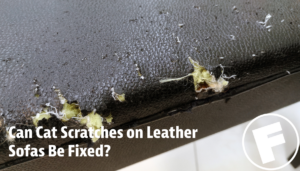
Can Cat Scratches on Leather Be Removed?
A common question among homeowners is whether scratches can simply disappear with cleaning or polishing.
The answer depends on the severity of the damage.
For very minor marks, professional cleaning and conditioning may improve the appearance. However, deeper scratches require more than surface treatment.
Many people search for methods to buff out cat scratches leather furniture has accumulated over time. While light surface marks may respond to careful refinishing, aggressive buffing or household cleaning methods can damage the leather further.
Leather is a layered material with protective coatings, color treatments, and natural fibers. Removing too much of the surface can create additional problems, including uneven texture, discoloration, and reduced durability.
Professional restoration focuses on repairing the damaged area while preserving as much of the original material as possible.
Why DIY Leather Scratch Repairs Often Fail
The availability of online repair kits and quick tutorials has made DIY leather repair more common. While some products may help with very minor cosmetic issues, they are often not designed for significant pet damage.
Many homeowners experience problems after attempting repairs themselves, including:
- Incorrect color matching.
- Visible patches.
- Stiff repair areas.
- Peeling finishes.
- Uneven textures.
- Additional damage from improper techniques.
Leather furniture requires specialized knowledge because different types of leather respond differently to cleaning products, fillers, dyes, and protective coatings.
A repair product that works on one sofa may create permanent damage on another. This is why professional evaluation is important before choosing a repair method.
Repair vs. Reupholstery: Which Option Is Better?
The decision between repairing and reupholstering a leather sofa depends on several factors, including the amount of damage, furniture condition, and the quality of the original piece.
Repair is usually the preferred option when:
- Damage is limited to specific areas.
- The leather is still flexible.
- The sofa frame is in good condition.
- Cushions remain supportive.
- Scratches are mostly cosmetic.
- Matching repairs can blend naturally with the existing upholstery.
Professional leather sofa restoration can often extend the life of furniture that still has years of usability remaining.
Reupholstery may become the better choice when:
- Multiple sections have severe damage.
- Large areas of leather are missing.
- The upholstery is already worn out.
- The leather has extensive cracking.
- Previous repairs have failed.
- The furniture needs a complete design update.
Before deciding on replacement, homeowners should consider the quality and value of the existing sofa. A well-built leather sofa may be worth restoring instead of replacing.
How Professional Leather Restoration Repairs Cat Damage
Professional restoration is designed to address more than the visible scratches. While covering marks may temporarily improve appearance, proper restoration focuses on repairing the leather, restoring its finish, and protecting it from future wear.
A professional technician begins by evaluating the furniture to determine the type of leather, the extent of the damage, and the best restoration approach. Factors such as leather age, previous treatments, fading, cracking, and overall condition all affect the repair process.
The restoration process may include several steps depending on the severity of the damage.
Leather Assessment and Damage Evaluation
Before any repairs begin, technicians inspect the affected areas carefully. This helps identify whether the damage is limited to the surface or if the leather fibers underneath have been affected.
During an assessment, professionals typically look at:
- The depth of scratches or tears.
- The type and finish of the leather.
- Existing color changes.
- Signs of dryness or cracking.
- Previous repair attempts.
- The overall condition of the sofa.
This evaluation helps determine whether the best option is a targeted repair, more extensive restoration, or reupholstery.
Cleaning and Preparation
Leather collects dirt, body oils, and residue from everyday use. These contaminants can affect how well repair products bond with the surface.
Before repairing scratches, technicians carefully clean the damaged area to create a suitable surface for restoration. Proper preparation ensures that color matching, fillers, and protective coatings provide a more natural and durable result.
Repairing Scratches and Damaged Areas
The repair method depends on the severity of the cat damage.
For light scratches, technicians may restore the finish and blend the damaged area with the surrounding leather. For deeper scratches, specialized repair materials may be used to rebuild the surface and recreate the original texture.
When performing a cat clawed leather sofa repair, the goal is not just to hide the marks. The process is designed to restore the appearance while maintaining the flexibility and feel of the leather.
Color Matching and Refinishing
One of the most important parts of leather restoration is achieving a seamless color match.
Leather naturally changes over time due to sunlight exposure, cleaning products, body oils, and regular use. Even if a repair material matches the original manufacturer color, it may not match the current appearance of the sofa.
Professional technicians use color-matching techniques to blend repairs with the existing upholstery. This helps prevent repaired areas from standing out.
After the color restoration process, protective finishes are applied to help improve durability and maintain the appearance of the leather.
How Long Does Leather Scratch Repair Last?
The longevity of a leather repair depends on several factors, including the quality of the leather, the location of the repair, household activity, and ongoing maintenance.
A professionally restored sofa can continue providing years of use when properly cared for. Regular cleaning, conditioning, and protection help maintain the leather’s flexibility and reduce the risk of future cracking or damage.
The repaired area may last significantly longer than temporary fixes because professional restoration addresses the underlying condition of the leather rather than simply covering visible scratches.
Factors That Affect Leather Repair Results
Every leather sofa responds differently to restoration. Several factors influence the final outcome.
Leather Type
Different leather finishes require different approaches. Protected leather, semi-aniline leather, and natural leather all have unique characteristics that affect how repairs are performed.
Age of the Furniture
Older leather furniture may require additional conditioning and restoration because years of use can dry out the material.
Location of the Damage
Scratches on high-use areas such as armrests, seat cushions, and front edges may require more detailed repair because these areas experience constant contact.
Severity of the Damage
Light scratches are generally easier to restore than deep tears or areas where leather fibers have been removed.
A professional assessment provides a clearer understanding of what results can realistically be achieved.
Signs Your Sofa Needs Professional Restoration Instead of Replacement
Many homeowners underestimate the value of restoration. A damaged sofa does not automatically mean it has reached the end of its life.
Professional restoration may be a good option when:
- The sofa has a strong frame.
- The cushions are still comfortable.
- Damage is limited to upholstery.
- The leather is still structurally sound.
- The furniture has sentimental or financial value.
- Replacement would be more expensive than restoration.
A quality restoration service can refresh worn leather, repair pet damage, and help preserve furniture that may otherwise be discarded.
Preventing Future Cat Scratches on Leather Furniture
After investing in restoration, protecting your leather sofa can help prevent future damage.
Cats are less likely to scratch furniture when they have attractive alternatives. Placing scratching posts near areas where your cat naturally spends time can encourage healthier scratching habits.
Regular pet care can also reduce accidental damage. Keeping claws maintained may help minimize severe scratches caused by climbing or stretching.
Other preventive steps include:
Use Protective Treatments
Professional leather protection treatments can help improve resistance against everyday wear, spills, and surface damage.
While protection does not make leather completely scratch-proof, it can help maintain the finish and make routine care easier.
Clean Leather Regularly
Dirt and oils can contribute to premature wear. Regular professional or manufacturer-approved cleaning helps preserve the leather’s condition.
Address Damage Early
Small scratches are easier to repair than deep tears. Addressing damage early can prevent minor issues from becoming larger problems.
Why Leather Repair Is a Better Alternative to Furniture Replacement
Replacing a leather sofa can be expensive, especially when the existing furniture is well-made and still comfortable.
Restoration allows homeowners to preserve their investment while improving the appearance of damaged upholstery. Instead of removing an entire sofa from the home, professional repair focuses only on the areas that need attention.
This approach also reduces unnecessary waste. Large furniture pieces take up significant space in landfills, and manufacturing replacement furniture requires additional materials, energy, and resources.
Choosing restoration supports a more sustainable approach to furniture care by extending the lifespan of existing pieces.
Professional Restoration for Homes With Pets
Pet owners should not have to choose between having a comfortable home and maintaining beautiful furniture.
Professional leather restoration provides a practical solution for homeowners dealing with scratches, tears, fading, and everyday wear. Instead of replacing a quality sofa because of pet damage, restoration can help bring the furniture back to a refreshed and usable condition.
Experienced technicians understand the challenges that pets can create and use specialized methods to repair leather while preserving the original character of the furniture.
Whether you need minor scratch repair or a more extensive restoration solution, professional service can help determine the right approach based on your sofa’s condition.
Restore Your Damaged Leather Sofa With Professional Care
Cat scratches, tears, and everyday wear do not always mean your leather sofa needs to be replaced. Professional leather restoration can repair visible damage, improve the appearance of worn areas, and help extend the lifespan of your furniture.
Whether your sofa has minor claw marks, surface scratches, fading, or deeper leather damage, a skilled restoration technician can assess the condition of the material and recommend the right solution. Depending on the level of wear, services may include leather repair, refinishing, color restoration, or reupholstery to help your furniture look refreshed while maintaining its original character.
If you want to restore scratched, torn, or damaged leather furniture, contact a professional leather restoration specialist for an evaluation. Expert technicians use specialized techniques to achieve a seamless finish that blends with your existing leather and helps protect your investment.
Restore the beauty, comfort, and value of your leather furniture with professional restoration services. Contact us today to schedule an assessment and give your damaged leather sofa the care it deserves.
Frequently Asked Questions
Q: Can you completely fix cat scratches on a leather couch?
A: Many cat scratches can be professionally repaired, especially when the damage is limited to the surface or specific areas. The final result depends on the leather type, scratch depth, and overall condition of the furniture. Deep tears may require additional restoration methods.
Q: Is leather couch scratch repair better than replacing the sofa?
A: In many cases, professional repair is a more practical option than replacement, especially when the sofa frame, cushions, and overall structure are still in good condition. Restoration can improve appearance while extending the furniture’s usable life.
Q: Can professionals fix torn leather couch cat damage?
A: Yes, many localized tears caused by cats can be repaired using specialized restoration techniques. The repair method depends on the size of the tear, the leather condition, and whether the surrounding material remains strong.
Q: Can you buff out cat scratches on leather furniture?
A: Minor surface marks may be improved through professional refinishing, but deeper scratches usually require more than buffing. Professional restoration combines repair techniques, color matching, and protective treatments to achieve a more natural result.