
Why Sustainable Businesses Are Investing in Furniture Maintenance Programs
Businesses across industries are rethinking how they manage their physical assets. From office seating and hospitality lounges to restaurant booths and healthcare waiting rooms, furniture is no longer viewed as a disposable expense. Instead, it has become part of a broader sustainability and operational strategy. This shift is one reason more organizations are adopting furniture maintenance programs as part of their long-term planning.
At the same time, companies focused on commercial furniture care are discovering that maintaining and restoring existing furniture often delivers better financial and environmental outcomes than frequent replacement cycles. Sustainable companies are looking beyond appearances alone. They are evaluating waste reduction, asset longevity, operational efficiency, customer perception, and environmental responsibility.
This growing emphasis on sustainability is influencing purchasing decisions, maintenance planning, and facility management across nearly every industry. Businesses are beginning to understand that furniture maintenance is not simply about repairing damage. It is about extending product life, protecting investments, reducing landfill waste, and supporting a stronger environmental strategy.
For organizations aiming to align with sustainability goals, maintenance programs are becoming a practical and measurable solution.
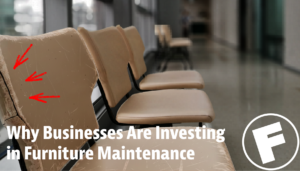
The Shift From Replacement Culture to Restoration Thinking
For years, many businesses followed a replace instead of repair mindset. When office chairs became worn, restaurant booths cracked, or lobby furniture faded, replacement seemed easier than restoration. However, rising costs, environmental concerns, and supply chain challenges have changed the conversation.
Today, sustainable businesses are prioritizing furniture lifecycle management. Instead of discarding damaged furnishings, companies are exploring upholstery restoration, structural repairs, vinyl renewal, and surface refinishing. This approach helps reduce unnecessary waste while keeping commercial spaces functional and visually appealing.
Furniture manufacturing requires raw materials, transportation, packaging, and energy consumption. Every replacement purchase contributes to a larger environmental footprint. When businesses extend the usable life of furniture through preventative furniture maintenance and restoration services, they significantly reduce material waste and resource consumption.
This change aligns closely with sustainable operations initiatives that emphasize responsible resource management. Companies now recognize that sustainability does not always require purchasing brand new eco friendly products. Sometimes the most sustainable option is preserving what already exists.
Why Furniture Maintenance Programs Matter More Than Ever
Modern businesses face increasing pressure to operate responsibly. Investors, customers, employees, and stakeholders are paying attention to environmental performance and operational sustainability.
Furniture maintenance programs provide businesses with a structured way to manage wear and tear before it leads to costly replacements. Instead of reacting to visible damage, organizations implement scheduled inspections, repairs, cleaning, and restoration work designed to preserve assets over time.
This proactive strategy offers several important benefits:
Lower Long-Term Costs
Replacing commercial furniture can become expensive quickly. Large facilities often manage hundreds or even thousands of seating units, panels, cushions, and upholstered surfaces. Routine maintenance and repair typically cost far less than full replacement.
Businesses that invest in office furniture maintenance can extend product lifespan by several years. This reduces capital expenditures while maximizing the return on existing assets.
Reduced Operational Disruptions
Replacing furniture often involves ordering delays, installation scheduling, shipping logistics, and workplace interruptions. Restoration work can usually be completed faster and with less disruption to day-to-day operations.
For industries like hospitality, healthcare, and food service, minimizing downtime is critical. Maintaining existing furniture helps businesses avoid unnecessary operational setbacks.
Stronger Brand Presentation
Customers notice furniture conditions. Worn seating, cracked upholstery, faded cushions, or damaged surfaces can negatively impact customer perception.
Commercial upholstery repair and restoration help businesses maintain clean, professional, and welcoming environments without constant replacement spending.
Improved Sustainability Metrics
Many organizations now track environmental performance as part of broader ESG maintenance goals. Reducing waste and extending asset life contribute directly to sustainability reporting and environmental benchmarks.
Furniture maintenance programs support measurable sustainability improvements by reducing landfill contributions and lowering replacement frequency.
The Environmental Impact of Furniture Waste
Furniture disposal has become a growing environmental concern worldwide. Millions of tons of commercial furniture enter landfills each year, including office chairs, cubicle components, sofas, waiting room seating, and upholstered fixtures.
Many commercial furniture pieces contain synthetic materials, foams, plastics, adhesives, and treated fabrics that do not biodegrade easily. When discarded, these materials contribute to long term landfill accumulation and environmental strain.
Businesses adopting eco-friendly furniture repair strategies are helping reduce this problem. Repairing upholstery tears, restoring cushions, refinishing surfaces, and correcting structural damage allow companies to preserve usable furniture instead of discarding it prematurely.
This approach supports circular economy principles where products remain in use longer rather than being quickly replaced and discarded.
Sustainable Operations and Asset Longevity
Sustainable operations are not limited to recycling bins or energy-efficient lighting. Asset management plays a major role in environmental responsibility.
Businesses often overlook the environmental impact of routine replacement purchasing. Every new furniture order involves manufacturing emissions, packaging waste, freight transportation, and installation resources.
Furniture restoration solutions help companies reduce these impacts while improving operational efficiency.
A well-designed maintenance program typically includes:
- Scheduled inspections
- Upholstery touch-ups
- Cushion support restoration
- Vinyl and leather repair
- Seam reinforcement
- Surface refinishing
- Spot cleaning and stain removal
- Structural stabilization
- Preventative maintenance planning
These services work together to extend furniture usability and maintain professional appearance standards.
Instead of waiting for visible deterioration, businesses can address minor issues early before they become larger problems.
ESG Maintenance Is Becoming a Business Priority
Environmental, social, and governance performance is increasingly shaping how organizations operate. Many investors and stakeholders now evaluate companies based on sustainability practices and long-term environmental responsibility.
ESG maintenance strategies include practical initiatives that reduce waste, conserve resources, and improve operational accountability. Furniture restoration and maintenance fit naturally into these objectives.
Organizations focused on ESG improvement often seek opportunities to:
- Reduce landfill contributions
- Lower unnecessary purchasing
- Extend asset lifespan
- Improve operational efficiency
- Support responsible resource use
- Minimize environmental impact
Furniture maintenance programs directly support these goals while delivering financial advantages.
In some industries, sustainability reporting has become part of client expectations and procurement standards. Businesses that demonstrate proactive maintenance and restoration initiatives may strengthen their competitive positioning.
Industries Leading the Shift Toward Furniture Maintenance
Several industries have become major adopters of furniture maintenance strategies due to the heavy daily use their furnishings experience.
Hospitality
Hotels, resorts, lounges, and restaurants rely heavily on appearance and guest experience. Upholstered furniture experiences constant wear from guests, luggage, spills, and frequent use.
Replacing large volumes of furniture regularly can become extremely costly. Hospitality businesses increasingly use upholstery repair services and restoration programs to preserve seating, lobby furniture, and dining areas.
Healthcare
Hospitals and medical facilities prioritize cleanliness, functionality, and patient comfort. Waiting room chairs, examination seating, and staff furniture experience high traffic every day.
Healthcare providers often choose preventative maintenance to keep furnishings safe, hygienic, and visually professional without constant replacement cycles.
Corporate Offices
Office environments continue evolving as businesses redesign workspaces for flexibility and employee comfort. Rather than replacing all furniture during updates, many companies restore and reconfigure existing assets.
Office furniture maintenance supports both cost control and sustainability objectives.
Restaurants and Food Service
Booths, bar seating, dining chairs, and waiting areas endure frequent use and spills. Regular upholstery restoration helps restaurants maintain customer experience standards while reducing replacement costs.
Retail Spaces
Retail stores depend on attractive environments to support customer engagement. Damaged seating or worn fixtures can negatively affect brand image.
Furniture asset protection strategies help retail businesses preserve customer-facing environments while supporting sustainability goals.
The Financial Advantages of Preventative Furniture Maintenance
Preventative maintenance is often far more affordable than reactive replacement.
Small upholstery tears, weakened seams, fading, and minor structural issues usually worsen over time if ignored. Early intervention helps businesses avoid more extensive damage later.
A structured maintenance program allows organizations to budget more predictably while avoiding sudden, large replacement expenses.
Financial benefits often include:
- Lower capital spending
- Reduced emergency repairs
- Longer furniture lifespan
- Better asset utilization
- Improved operational planning
- Lower waste disposal costs
Businesses increasingly recognize that furniture should be treated like any other operational asset requiring regular maintenance and lifecycle management.
Restoration Supports Corporate Sustainability Goals
Corporate sustainability goals often include waste reduction, resource conservation, and responsible procurement. Furniture restoration aligns with all three areas.
When businesses choose repair over replacement, they reduce demand for raw material extraction and manufacturing. They also lower transportation emissions associated with shipping new products.
This approach demonstrates practical sustainability rather than performative sustainability.
Consumers and employees increasingly appreciate visible environmental responsibility. Businesses that actively maintain and restore furnishings may strengthen their reputation among environmentally conscious audiences.
Why Upholstery Repair Is Central to Furniture Longevity
Upholstery often experiences visible wear before the underlying furniture structure fails. Cracked vinyl, faded fabric, torn seams, worn cushions, and peeling surfaces can make otherwise functional furniture appear unusable.
Professional upholstery restoration addresses these issues while preserving the structural integrity of the furniture itself.
Services may include:
- Cushion rebuilding
- Leather repair
- Vinyl restoration
- Fabric patching
- Color matching
- Seam repair
- Foam replacement
- Surface refinishing
This process allows businesses to maintain attractive spaces without replacing entire furniture pieces.
Many organizations now include upholstery repair services within broader facility management plans to ensure consistent maintenance standards.
Supply Chain Challenges Have Reinforced the Value of Maintenance
Recent supply chain disruptions exposed the risks of relying heavily on replacement purchasing. Long lead times, shipping delays, inventory shortages, and rising freight costs made replacement furniture more difficult and expensive to obtain.
As a result, businesses began exploring restoration alternatives more seriously.
Furniture restoration solutions provide flexibility during uncertain supply conditions. Instead of waiting months for replacements, businesses can often restore damaged furnishings quickly and efficiently.
This shift has encouraged many organizations to adopt long-term maintenance strategies rather than reactive purchasing habits.
Sustainability Is Also About Resource Efficiency
Many sustainability conversations focus heavily on renewable materials and eco-friendly manufacturing. While these initiatives matter, resource efficiency is equally important.
Extending the lifespan of existing products reduces total resource consumption across the product lifecycle.
Furniture maintenance programs support resource efficiency by helping businesses maximize the usefulness of furniture already in circulation.
This approach reduces:
- Raw material demand
- Transportation emissions
- Packaging waste
- Disposal volume
- Manufacturing energy consumption
For businesses seeking realistic and measurable sustainability improvements, maintenance programs offer immediate operational impact.
Employee Experience and Workplace Quality
Workplace quality affects employee morale, productivity, and perception of the company environment.
Damaged or neglected furniture can create an unprofessional atmosphere that affects both employees and visitors. On the other hand, clean and well-maintained furnishings contribute to comfort and workplace pride.
Businesses investing in commercial furniture care often discover that maintenance programs improve not only sustainability metrics but also workplace satisfaction.
Employees increasingly value organizations that demonstrate responsible operational practices and thoughtful workplace management.
The Role of Professional Restoration Services
Professional restoration providers play an important role in helping businesses implement effective maintenance strategies.
Experienced technicians understand how to repair a variety of commercial materials including:
- Leather
- Vinyl
- Fabric upholstery
- Plastic surfaces
- Wood trim
- Foam cushions
Rather than using temporary cosmetic fixes, professional restoration focuses on extending furniture usability while maintaining appearance standards.
Businesses working with experienced upholstery restoration specialists can create customized maintenance schedules based on traffic levels, usage conditions, and operational needs.
This proactive approach helps organizations avoid costly large-scale deterioration.
Furniture Maintenance as Part of Facility Management
Facility management teams increasingly integrate furniture maintenance into broader operational planning.
Just as HVAC systems, flooring, and lighting require routine upkeep, furniture benefits from scheduled care and inspection.
Maintenance planning allows organizations to:
- Identify damage early
- Standardize appearance quality
- Reduce emergency replacements
- Extend asset lifespan
- Improve budgeting accuracy
- Support sustainability initiatives
Furniture asset protection is becoming a more recognized part of long-term facility management strategy.
Customer Expectations Are Changing
Modern consumers pay attention to sustainability practices. Many customers prefer supporting businesses that demonstrate environmental responsibility in visible and practical ways.
Well-maintained furnishings communicate professionalism, care, and operational responsibility. Conversely, neglected furniture may signal poor maintenance standards or unnecessary wastefulness.
Businesses investing in eco-friendly furniture repair can strengthen customer trust while improving brand perception.
In industries like hospitality, healthcare, and retail, physical environments strongly influence customer experience. Furniture condition contributes directly to how customers perceive service quality.
Long-term Sustainability Requires Practical Action
Sustainability goals only become meaningful when businesses implement actionable operational changes.
Furniture maintenance programs represent a practical sustainability initiative with measurable results. They help reduce waste, conserve resources, extend asset lifespan, and support financial efficiency simultaneously.
Unlike some sustainability initiatives that require large infrastructure investments, maintenance programs are scalable and adaptable for organizations of all sizes.
Small businesses, regional companies, and national organizations can all benefit from structured furniture maintenance strategies.
The Future of Commercial Furniture Management
As sustainability expectations continue growing, businesses will likely place even greater emphasis on repair, restoration, and asset preservation.
Furniture maintenance programs are expected to become increasingly integrated into procurement policies, facility management standards, and ESG planning.
Organizations that proactively adopt maintenance strategies today may position themselves ahead of evolving sustainability expectations tomorrow.
The future of commercial spaces will likely focus less on constant replacement and more on responsible asset stewardship.
Businesses that embrace this shift can benefit financially, operationally, and environmentally.
Protect Your Furniture Investment With Professional Restoration Support
Sustainable business practices begin with smarter operational decisions. Restoring and maintaining commercial furniture helps reduce unnecessary waste, extend the lifespan of valuable assets, and improve long-term cost efficiency—without compromising comfort, functionality, or appearance.
Professional upholstery and furniture restoration services allow businesses to preserve high-traffic furnishings, maintain a polished and welcoming environment, and support broader sustainability initiatives through proactive care and maintenance.
From hospitality and healthcare facilities to offices, retail spaces, and food service establishments, investing in professional furniture maintenance programs helps protect your investment while reinforcing your commitment to responsible and sustainable operations.
Ready to extend the life of your commercial furniture?
Contact us today to learn how our professional restoration and upholstery services can help your business reduce costs, minimize waste, and maintain a clean, professional appearance for years to come.
Frequently Asked Questions
Q: What are furniture maintenance programs?
A: Furniture maintenance programs are structured service plans designed to preserve commercial furniture through regular inspections, repairs, cleaning, and restoration. These programs help businesses extend furniture lifespan and reduce replacement costs.
Q: How do furniture maintenance programs support sustainability?
A: They reduce landfill waste, minimize unnecessary furniture replacement, conserve raw materials, and lower transportation and manufacturing impacts. This supports sustainable operations and environmental responsibility.
Q: What industries benefit most from commercial furniture care?
A: Hospitality, healthcare, restaurants, retail stores, corporate offices, and educational facilities often benefit the most because their furniture experiences frequent daily use.
Q: Is furniture restoration more affordable than replacement?
A: In many cases, yes. Upholstery repair services and restoration work usually cost significantly less than purchasing new commercial furniture, especially for large facilities.
Q: What types of damage can upholstery restoration repair?
A: Professional upholstery restoration can repair tears, cracks, fading, worn cushions, seam separation, peeling vinyl, leather damage, and minor structural issues.
Q: How does ESG maintenance relate to furniture restoration?
A: ESG maintenance focuses on environmentally responsible operational practices. Furniture restoration supports ESG goals by reducing waste, extending asset life, and improving resource efficiency.
Q: Why is preventative furniture maintenance important?
A: Preventative maintenance identifies small problems early before they become costly repairs or require full replacement. This helps businesses save money and maintain consistent appearance standards.
Q: Can furniture maintenance improve customer perception?
A: Yes. Well maintained furniture creates a cleaner, more professional, and welcoming environment that positively affects customer experience and brand reputation.