
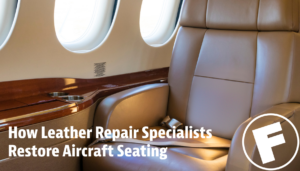
How Aviation Leather Repair Specialists Restore Aircraft Seating
Aircraft seating plays a central role in defining the overall passenger experience, cabin aesthetics, and long-term asset value of an aircraft. Over time, even the highest quality leather interiors begin to deteriorate due to constant use, environmental exposure, and strict cleaning cycles. This natural wear leads to visible damage such as cracking, fading, scuffing, and stitching fatigue.
This is where aviation leather repair becomes essential. It provides a specialized solution that restores aircraft seating to a near-original condition without the high cost and downtime of full replacement. Instead of discarding worn components, professional restoration technicians carefully repair, refinish, and rejuvenate them using aviation-grade materials and techniques.
Inspired by industry approaches used in aviation-focused restoration services like Fibrenew’s aircraft interior solutions, modern restoration focuses on sustainability, precision, and long-term durability. The goal is to extend the lifespan of cabin interiors while maintaining safety, comfort, and visual excellence.
Why Aircraft Seat Restoration Is Essential in Aviation
Aircraft seating endures some of the harshest operating conditions in the aviation industry. Unlike standard commercial furniture, aircraft seats are subjected to constant use while meeting strict safety, durability, and appearance standards. Over time, daily operations accelerate wear and tear, making routine aircraft seat restoration an essential part of aircraft interior maintenance.
Common factors that contribute to seat deterioration include:
- Continuous passenger traffic and high seat occupancy
- Frequent cabin cleaning and sanitation with aviation-approved disinfectants
- Cabin pressure and temperature fluctuations during every flight
- UV exposure through aircraft windows, causing leather fading and drying
- Constant friction, movement, and mechanical stress from regular use
Because of these demanding conditions, aircraft seat restoration is far more than a cosmetic improvement. It is a proactive maintenance solution that helps preserve the structural integrity, comfort, and appearance of aircraft seating while extending the service life of valuable interior components.
Addressing minor issues such as fading, surface scratches, small tears, cracking, or worn upholstery before they worsen can significantly reduce long-term maintenance expenses. Early restoration prevents damage from spreading, minimizes the need for complete seat replacement, and helps operators avoid unnecessary aircraft downtime.
Whether for commercial airlines, private jets, charter operators, or corporate aircraft, investing in professional aircraft seat restoration enhances passenger experience, supports regulatory maintenance standards, protects the value of the aircraft, and contributes to lower overall aviation maintenance costs.
Common Types of Aircraft Seating Damage
Aircraft seating materials, especially leather and vinyl, degrade in predictable patterns. Understanding these helps determine the correct restoration approach.
Surface Cracking and Dryness
Low humidity inside aircraft cabins gradually removes natural oils from leather. This leads to stiffness and surface cracks that reduce comfort and visual quality.
Color Fading and Uneven Tones
Sunlight exposure combined with cleaning chemicals often causes discoloration. Over time, seats may appear patchy or inconsistent in tone.
Scratches and Abrasion Marks
Daily passenger activity, luggage contact, and movement result in surface scratches that accumulate over time.
Stitching Wear and Structural Weakness
Thread fatigue can compromise seat integrity if not repaired promptly.
Vinyl and Plastic Surface Damage
Not all seating components are leather. Many aircraft also rely on vinyl panels and plastic trims that require specialized restoration techniques.
These issues are addressed through airplane leather refurbishment processes that restore both appearance and performance.
Step-by-Step Aircraft Seating Restoration Process
Professional technicians follow a structured and precise workflow to ensure consistent, aviation-grade results.
1. Detailed Inspection and Evaluation
Each seat is assessed to identify damage type, material composition, and restoration requirements. This ensures the correct repair strategy is applied.
2. Cleaning and Surface Preparation
Seats undergo deep cleaning to remove oils, dust, and chemical residues. Proper preparation ensures repair materials bond effectively.
3. Structural Repair and Surface Filling
Cracks, scratches, and minor tears are repaired using flexible aviation-grade compounds designed to move naturally with the seat material.
4. Color Matching and Refinishing
Color restoration is one of the most critical steps in aircraft interior leather repair. Technicians custom match pigments to restore uniformity across all seating surfaces.
5. Protective Coating Application
A durable protective layer is applied to resist UV damage, staining, and future wear. This step significantly extends the life of restored surfaces.
6. Final Quality Inspection
Every seat is reviewed for consistency in texture, color accuracy, and durability before being approved for return to service.
This structured approach ensures reliable results across all types of aircraft seating configurations.
Materials and Methods Used in Aviation Upholstery Restoration
High-quality aviation upholstery restoration requires specialized materials engineered for aircraft environments. These differ significantly from standard upholstery repair products used in residential or automotive settings.
Flexible Repair Compounds
Designed to restore damaged leather surfaces while maintaining flexibility under cabin pressure and movement.
Aviation-Grade Pigments
Color systems used in aircraft interiors must resist UV exposure, chemical cleaning agents, and long-term fading.
Heat-Bonded Restoration Techniques
Controlled heat processes help integrate repair materials seamlessly into original surfaces for a natural finish.
Vinyl and Plastic Restoration Systems
Aircraft cabins often include mixed materials. Specialized solutions are used to restore plastic trims and vinyl surfaces alongside leather seating.
These techniques ensure that leather seat repair for aircraft delivers both visual and structural improvements.
Benefits of Professional Aircraft Interior Restoration
Investing in professional aircraft interior restoration delivers long-term operational, financial, and aesthetic benefits. Rather than replacing expensive cabin components, restoration helps preserve existing materials while maintaining the high standards expected in commercial and private aviation.
Lower Aviation Maintenance Costs
One of the biggest advantages of restoration is how restoration reduces aviation maintenance costs. Repairing worn leather, vinyl, and upholstery before damage becomes severe helps prevent costly replacements, minimizes labor expenses, and extends the service life of aircraft interiors. This proactive approach allows operators to better manage maintenance budgets while keeping cabins in excellent condition.
Cost-Effective Alternative to Replacement
Professional restoration is significantly more affordable than replacing entire aircraft seats or interior components. For commercial fleets, charter operators, and private aircraft owners, restoring existing materials provides substantial savings without compromising quality or appearance.
Enhanced Passenger Experience
A clean, well-maintained cabin creates a positive first impression and enhances passenger comfort. Restored leather seating and refreshed interiors reinforce a premium travel experience while demonstrating a commitment to quality and attention to detail.
Extended Interior Lifespan
Routine aviation leather repair, aircraft seat restoration, and aviation upholstery restoration help protect cabin materials from premature wear. Preventive restoration extends the lifespan of leather, vinyl, and other interior surfaces, reducing the need for frequent replacements.
Higher Aircraft Resale Value
Aircraft with professionally maintained interiors are more attractive to prospective buyers and often command higher resale values. A refreshed cabin reflects proper maintenance practices and increases buyer confidence in the overall condition of the aircraft.
Reduced Operational Downtime
Compared to replacing interior components, professional restoration is typically faster and less disruptive. Aircraft can return to service sooner, helping operators minimize downtime and maintain flight schedules.
By investing in aviation leather repair, aircraft seat restoration, airplane leather refurbishment, aircraft interior leather repair, aviation upholstery restoration, and leather seat repair for aircraft, operators can preserve cabin quality, improve passenger satisfaction, reduce long-term maintenance expenses, and maximize the value of their aircraft while maintaining compliance with aviation industry standards.
Long-Term Maintenance Strategy for Aircraft Interiors
Effective cabin maintenance goes beyond one-time restoration. A structured care strategy ensures long-lasting results.
Operators often implement:
- Scheduled seat inspections
- Routine cleaning and conditioning
- Early-stage repair interventions
- Periodic refinishing of high-contact areas
This proactive approach minimizes emergency repairs and helps maintain consistent cabin quality over time.
In high-usage environments such as charter fleets and commercial aviation, consistent aircraft seat restoration practices are essential for preserving both aesthetics and functionality.
Why Specialized Aviation Expertise Matters
Aircraft interiors require a level of precision that goes beyond general upholstery repair. Materials used in aviation must meet strict durability, safety, and compliance standards.
Specialists in aircraft interior leather repair understand:
- Fire safety and aviation compliance requirements
- Material behavior under cabin pressure
- Compatibility with aviation-approved cleaning agents
- Long-term wear resistance under heavy use
This expertise ensures repairs are not only visually seamless but also structurally sound and aviation-compliant.
Companies like Fibrenew demonstrate how specialized restoration systems can successfully handle diverse aviation interior challenges across private jets, commercial aircraft, and charter fleets.
Restore Your Aircraft Interior with Professional Care
Aircraft seating is one of the most visible and frequently used elements of any cabin, making its condition essential to both passenger comfort and your aircraft’s overall appearance. As leather surfaces begin to show signs of fading, cracking, scuffs, or wear, timely restoration is the most cost-effective way to preserve your investment, extend the life of your interior, and maintain a premium passenger experience.
Professional aviation leather repair services restore damaged aircraft seats with precision using aviation-grade materials, color-matching techniques, and industry-approved restoration processes. Whether your cabin requires aircraft seat restoration for worn leather, airplane leather refurbishment, or repairs to vinyl and plastic components, experienced technicians can return your interior to a clean, polished, and professional standard while maintaining the original design and comfort.
Don’t wait until minor damage becomes a costly replacement. Early restoration helps protect your aircraft’s value, minimizes downtime, and keeps your cabin looking its best for every flight.
Contact us today to schedule a professional aircraft interior assessment and discover how our expert aviation leather repair services can restore your aircraft seating and cabin surfaces to like-new condition. Let our skilled technicians help you preserve your investment with high-quality, long-lasting restoration solutions tailored to your aircraft.
Frequently Asked Questions
Q: What does aviation leather repair include?
A: It includes cleaning, crack repair, color restoration, refinishing, and protective coating application designed specifically for aircraft seating materials.
Q: How often should aircraft seat restoration be done?
A: It depends on usage, but most aircraft benefit from aircraft seat restoration every 12 to 24 months to maintain appearance and durability.
Q: Can airplane leather refurbishment remove deep cracks?
A: Yes, airplane leather refurbishment can significantly reduce or eliminate visible cracks using flexible repair compounds and professional refinishing techniques.
Q: Is aviation upholstery restoration suitable for all aircraft types?
A: Yes, aviation upholstery restoration can be applied to private jets, charter aircraft, and commercial fleets using materials compatible with aviation standards.