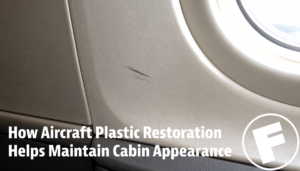
How Aircraft Plastic Restoration Helps Maintain Cabin Appearance
The interior of an aircraft functions as a direct reflection of an operator’s commitment to safety, luxury, and meticulous maintenance. From private charter jets to expansive commercial airliners, the condition of the cabin interior dictates the passenger experience from the very moment they step on board. However, aircraft cabins are high-traffic environments subject to continuous wear and tear. Over time, plastic components like window surrounds, passenger service units, side panels, and seat shrouds inevitably suffer from scuffs, cracks, fading, and structural degradation.
Historically, the standard resolution for damaged interior components was complete replacement. This approach, however, introduces severe logistical hurdles, including prohibitive part costs, extensive lead times, and prolonged aircraft downtime. Today, strategic fleet managers and private operators rely on professional aircraft plastic restoration as a sustainable, cost-effective, and highly efficient alternative. This detailed guide explores how modern restoration techniques protect asset value, ensure regulatory compliance, and keep cabin aesthetics in pristine condition.
The Visual Impact of the Cabin Environment
Passenger perception is intimately linked to visual cues. When a traveler notices a cracked window bezel, a yellowed overhead panel, or a deeply scuffed seat shroud, they do not merely see cosmetic wear. Subconsciously, an aged or poorly maintained cabin can erode confidence in the operator’s overall attention to detail, including mechanical maintenance.
Maintaining a premium cabin appearance is vital for brand loyalty, customer retention, and asset valuation. Executing a timely aircraft interior refurbishment addresses these aesthetic issues directly, breathing new life into weathered polymers without the exorbitant expense of sourcing brand-new parts. Through specialized techniques, technicians can precisely match original textures, finishes, and colors, ensuring that repaired elements blend seamlessly with the surrounding cabin interior.
The Hidden Toll of Cabin Wear and Tear
Aircraft interiors endure an exceptionally harsh operational lifecycle. The daily flow of passengers, luggage handling, cabin cleaning routines, and exposure to environmental variables all contribute to the rapid degradation of interior materials. Understanding the root causes of this wear helps maintenance teams address structural and cosmetic vulnerabilities proactively through structured cabin maintenance programs.
Mechanical Stress and Impact Damage
Passengers frequently bump luggage, shoes, and personal items against lower sidewall panels and seat shrouds. Flight crews regularly adjust overhead bins and service units. This constant physical contact results in localized structural stress, leading to hairline fractures, deep gouges, and complete structural breaks in fragile thermoplastic components.
Ultraviolet Light Degradation
Aircraft spend hours at high altitudes where ultraviolet radiation is significantly more intense than at sea level. UV rays penetrate cabin windows, systematically breaking down the molecular bonds of interior plastics. This degradation manifests as severe yellowing, color fading, and brittleness, rendering the plastic highly susceptible to cracking under minor pressure.
Chemical Exposure from Cleaning Regimens
Modern aviation hygiene requires rigorous, frequent disinfection of all touchpoints. Many commercial cleaning agents and disinfectants contain harsh chemical compounds that strip plasticizers from polymers. Over time, this chemical exposure leaves plastic surfaces dry, brittle, tacky, or permanently discolored.
The Engineering Behind Advanced Aerospace Polymer Repair
Restoring aviation-grade plastics requires specialized skills, materials, and processes. Unlike household plastics, aviation polymers like Kydex, Boltaron, and ABS are engineered to meet strict performance metrics, including flame retardancy, chemical resistance, and structural flexibility.
Surface Preparation and Contaminant Removal
The restoration process begins with exhaustive decontamination. Technicians use specialized, non-solvent cleaners to remove deeply embedded dirt, skin oils, ink, and chemical residues from previous maintenance cycles. Ensuring a perfectly clean substrate is critical, as any remaining contaminants will compromise the adhesion of structural fillers and structural coatings.
Structural Reconstruction and Fracture Repair
For components with cracks or missing fragments, utilizing professional airplane plastic repair involves advanced chemical welding or reinforced structural bonding. Technicians introduce specialized, flexible resin compounds that physically integrate with the original polymer matrix. This process does not merely mask the crack; it restores the structural integrity of the panel, preventing the fracture from spreading under the vibration and pressure changes of flight.
Surface Contouring and Texturing
Once structural repairs cure, the surface is meticulously sanded and contoured to match the original geometry of the part. Because aviation plastics feature distinct grain patterns (such as haircell or leatherette textures), technicians apply specialized texturing mediums. This meticulous step ensures the repaired zone is indistinguishable from the surrounding untouched surface.
Precision Color Matching and Coating
The final step of an aviation panel restoration involves the application of specialized, aerospace-grade color coatings. Advanced color-matching technology allows technicians to replicate the exact factory shade of the cabin interior, accounting for any natural age-related fading of adjacent panels. These specialized coatings provide a durable, uniform finish that resists scratching, chemical cleaning agents, and future UV exposure.
Regulatory Compliance and Safety Standard Requirements
Every modification, repair, or restoration performed within an aircraft cabin must strictly adhere to international aviation safety regulations. The Federal Aviation Administration and corresponding global regulatory bodies enforce rigid protocols regarding flammability, smoke emission, and toxic gas generation for interior materials.
FAA Flame Testing Standards
Any material used or applied within an aircraft cabin must comply with specific burn testing rules, such as FAR 25.853. This regulation dictates that interior materials must be self-extinguishing and minimize smoke generation in the event of a fire. Professional restoration companies use exclusively formulated products designed for FAA compliant plastic repair that have undergone rigorous independent laboratory testing to secure certified burn compliance.
Comprehensive Traceability and Documentation
A vital element of professional aircraft component renewal is the provision of complete compliance documentation. Every repair must be fully traceable, detailing the specific chemical lots, application methodologies, and technical compliance certifications used. This meticulous paperwork ensures that maintenance records remain flawless, passing rigorous safety audits and conformity inspections without delay.
Economic Advantages: Restoration vs. Replacement
Choosing plastic restoration over part replacement offers clear financial and operational advantages for aircraft operators, leasing companies, and fleet maintenance departments.
Significant Cost Reductions
Sourcing original equipment manufacturer parts for aircraft interiors is an expensive endeavor. Rare or out-of-production interior panels for older aircraft models can command premium prices. Plastic restoration typically costs a fraction of the price of an entirely new component, delivering substantial savings that compound across an entire fleet.
Minimized Aircraft Downtime
Lead times for aviation interior components can span weeks or even months, especially during supply chain disruptions. An aircraft grounded or flying with a visibly degraded cabin represents lost revenue. Professional restoration can often be performed directly on-site or during overnight maintenance intervals, returning the aircraft to service quickly.
Preservation of OEM Fit and Alignment
Over time, aircraft fuselages experience subtle shifting, and existing interior components settle into place. Installing a brand-new plastic panel can frequently reveal alignment challenges, requiring extensive trimming and adjustment. Restoring the original panel ensures a perfect fit, preserving original factory tolerances, avoiding structural gaps, and preventing unwanted cabin squeaks and rattles.
Environmental Sustainability and Waste Reduction
Modern aviation is deeply focused on reducing its environmental footprint. While fuel efficiency and carbon offsets dominate public discussions, sustainable cabin maintenance practices play an important role in corporate environmental responsibility.
Reducing Landfill Waste
Replacing cabin plastics generates substantial amounts of non-biodegradable waste. Thermoplastic panels, composite structures, and synthetic interior pieces often end up in landfills. Restoration significantly extends the functional lifecycle of existing interior assets, keeping usable materials out of the waste stream.
Decreasing Manufacturing Demand
Manufacturing new aviation components requires substantial energy, raw petro-chemical inputs, and international transportation logistics. By choosing to rebuild and restore existing panels on-site, aviation operators dramatically lower the indirect carbon footprint associated with manufacturing and transporting new replacement components.
Proactive Maintenance Strategies for Cabin Upkeep
To maximize the lifespan of cabin interiors and minimize the need for major overhauls, maintenance teams should implement proactive care programs. These routine steps prevent cosmetic wear from developing into structural failure.
- Routine Detailed Inspections: Incorporate dedicated cabin interior evaluations into routine line-maintenance schedules. Spotting hairline cracks around window frames, loose fasteners on passenger service units, or minor scuffs on seatback shrouds allows for early intervention before components break completely.
- Standardized Non-Destructive Cleaning Protocols: Train cleaning crews to use exclusively approved, pH-balanced, non-abrasive cleaners on interior plastics. Eliminating harsh solvents and abrasive scrubbing pads prevents the degradation of protective clear coats and stops polymers from becoming brittle.
- Immediate Mitigation of Minor Defects: Address small scratches and superficial blemishes before they attract passenger tampering or catch on clothing and baggage. Promptly sealing a minor scratch stops moisture, oils, and cleaning agents from penetrating the raw plastic substrate, preventing deeper material delamination.
Choosing the Right Interior Restoration Partner
Given the technical complexities and regulatory oversight inherent to aviation maintenance, choosing a professional restoration provider requires careful evaluation. The right partner ensures your fleet remains safe, beautiful, and fully compliant.
Proven Industry Expertise and Track Record
Aviation plastics differ fundamentally from automotive or residential polymers. Ensure your chosen restoration partner possesses verifiable experience specifically within the aerospace sector, with technicians explicitly trained in aviation-grade materials and structural requirements.
Uncompromising Regulatory Compliance
Verify that the restoration provider uses repair compounds, dyes, and coatings that are fully certified to meet FAA flammability standards. The provider must be willing and able to furnish complete compliance documentation and burn test certifications for every product introduced to your cabin environment.
On-Site Operational Flexibility
Look for a restoration partner capable of working within your operational schedule. Providers that offer mobile, on-site services can complete repairs within overnight maintenance blocks or during scheduled C-checks, avoiding disruption to your flight schedules.
The Future of Cabin Interior Longevity
As aircraft remain in service longer and passenger expectations for cabin comfort continue to rise, the importance of effective interior asset management is greater than ever. Keeping a clean, pristine cabin environment does not require a massive capital expenditure on replacement parts.
By leveraging advanced aircraft plastic restoration, operators can successfully balance aesthetic excellence, regulatory safety compliance, and strict fiscal responsibility. Investing in the professional repair and reconditioning of interior plastics ensures that your aircraft continues to deliver a premium, comforting, and safe experience for every passenger on every flight.
If you are ready to elevate your fleet’s interior appeal, minimize operational downtime, and ensure complete regulatory compliance, contact our expert team today to schedule a comprehensive cabin assessment and custom restoration program.
Frequently Asked Questions
Q: Why do aircraft interior plastics turn yellow and crack over time?
A: Aircraft interior plastics are exposed to high levels of ultraviolet radiation at high altitudes, which breaks down the chemical bonds of the polymers over time. This environmental exposure, combined with the frequent use of harsh chemical disinfectants and the natural physical stress of passenger activity, strips the plasticizers from the material, leading to severe discoloration, yellowing, and increased brittleness that causes cracking.
Q: Are the materials used in aircraft plastic restoration compliant with aviation safety regulations?
A: Yes, professional aviation restoration services utilize exclusively formulated products that are engineered to meet strict aviation safety requirements, including Federal Aviation Administration flammability standards. These specialized repair resins, fillers, and color coatings undergo independent laboratory testing to secure certified compliance, ensuring your cabin remains fully airworthy.
Q: How long does a typical aviation panel restoration take to complete?
A: The duration of a restoration project depends entirely on the scope of the damage and the number of components requiring attention. However, most localized repairs, such as restoring scuffed seat shrouds or cracked window bezels, can be completed within a matter of hours. Many services can be performed directly on-site during scheduled overnight maintenance windows to prevent aircraft downtime.
Q: Can plastic restoration match the exact original texture and color of my aircraft cabin?
A: Yes, advanced restoration methodologies involve precision color matching technology to replicate the exact factory shade of your cabin interior, accounting for any natural aging or fading. Additionally, specialized texturing techniques are used to recreate the unique grain patterns of the original panels, ensuring the completed repair is visually indistinguishable from surrounding surfaces.