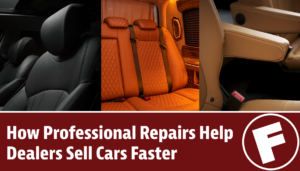
How Professional Repairs Help Dealers Sell Cars Faster
The used automotive market is fiercely competitive. Buyers today are highly educated, incredibly observant, and looking for vehicles that look and feel brand new, regardless of the actual mileage on the odometer. When a potential customer opens the door of a vehicle on your lot, they make an immediate, subconscious judgment based entirely on the condition of the cabin. This is why investing in top tier car reconditioning for sale is no longer an optional step for modern dealerships. It is an absolute necessity t o move inventory quickly and protect your profit margins.
A pristine exterior might catch a buyer’s eye, but the interior is where they will spend all of their time. A stained carpet, a cracked dashboard, or a torn leather seat can instantly derail a promising sale. Buyers naturally associate a neglected interior with poor mechanical maintenance. To avoid these costly deal breakers, successful sales managers are increasingly turning to specialized cosmetic solutions. By utilizing professional repair techniques to restore rather than replace damaged components, dealerships can drastically reduce their overhead costs while presenting a flawless product to the consumer.
The True Cost of Waiting on Parts
Time is the ultimate enemy in the automotive sales industry. Every single day a vehicle sits on the back lot waiting to be frontline ready, it is costing the dealership money in depreciation and holding fees. Historically, if a trade-in arrived with a severely ripped driver seat, the service department would have to order a brand new seat cover from the original equipment manufacturer.
Ordering replacement parts is a notoriously slow process. The part might be on backorder, it might get lost in shipping, and once it finally arrives, a technician still has to dedicate hours to dismantle the seat and install the new cover. This traditional method can tie up a car for weeks.
In contrast, professional auto restoration for resale focuses on surgical, high speed repairs. Mobile technicians can arrive directly at the dealership, evaluate the damage, and restore the material on the spot. What used to take two weeks waiting on parts can now be completed in a single afternoon. This rapid turnaround time is the secret to keeping your inventory moving and your sales team closing deals.
Detailing Versus True Restoration
It is important to distinguish between a standard detailer and an interior repair specialist. Comprehensive vehicle preparation services require both, but they serve very different purposes. A detailer is an expert at deep cleaning. They will extract dirt from the carpets, condition the leather, and shine the plastics to make the car smell and look fresh.
However, a detailer cannot fix physical damage. If the leather is cracked, the vinyl is punctured, or the plastic trim is heavily gouged, cleaning it will only highlight the flaw. This is where professional upholstery repair steps in. Restoration technicians are essentially material engineers. They use specialized compounds, industrial adhesives, and custom-mixed dyes to structurally rebuild and cosmetically blend the damaged area so it looks exactly like the surrounding material.
A Breakdown of Dealership Interior Repair Services
The scope of work a highly trained interior specialist can perform is incredibly vast. They are equipped to handle the three major materials found in every modern vehicle cabin: leather, vinyl, and hard plastic.
Mastering Automotive Leather
Leather seating is a premium feature that buyers actively seek out. Unfortunately, leather is also highly susceptible to wear. Friction from sliding in and out of the car, prolonged exposure to UV rays, and extreme temperature shifts cause leather to lose its natural oils. This leads to color fading, deep creases, and eventual tearing.
Professional technicians repair leather by first thoroughly cleaning and prepping the damaged zone to remove body oils. They then apply flexible, heat-cured fillers to bridge any tears or holes. Once the surface is physically smooth, they utilize advanced tinting technology to mix liquid dyes right on the lot. By matching the exact, slightly faded shade of the current seat, the repair becomes virtually invisible. Finally, a clear topcoat is applied to seal the dye and restore the factory finish.
Reviving Vinyl Surfaces
Vinyl is heavily utilized in door panels, center consoles, and synthetic leather seating. While it is built for durability, it can become brittle and crack in freezing temperatures or warp under intense heat. It is also easily punctured by sharp objects like keys or pet claws.
Repairing vinyl requires a mastery of texture. A smooth patch on a textured vinyl door panel will stand out and look terrible. Specialists solve this by using specialized heat tools to soften the vinyl and mold repair compounds into the puncture. Before the compound fully sets, they press a grain mold into the area. This mold replicates the exact pebbled or lined texture of the original vinyl, creating a seamless visual flow across the panel.
Restoring Hard Plastic Components
Dashboards and plastic trim pieces take the brunt of the sun’s damaging rays. Over time, UV exposure causes dashboards to crack, warp, or suffer from severe discoloration. Because the dashboard is a core structural component of the interior, replacing it requires dismantling the entire front half of the cabin, which is a massive labor expense.
Expert technicians can perform miracles on hard plastics without ever removing the part from the car. They utilize advanced plastic welding techniques to fuse cracked pieces back together. They then use specialized texturing sprays and bonding agents to rebuild the missing material, smooth out deep gouges, and recoat the entire surface. This targeted approach to dealership interior repair services saves thousands of dollars per vehicle.
Meeting the Certified Pre-Owned Standard
The Certified Pre-Owned market is one of the most profitable segments for franchised dealerships. CPO vehicles command a premium price and offer buyers peace of mind through extended warranties. However, the qualification standards for these programs are incredibly strict.
Manufacturers provide rigorous checklists that dictate what is and is not acceptable. A vehicle with mechanical perfection will still fail a CPO inspection if it has a noticeable cigarette burn in the headliner or a heavily scuffed steering wheel. Partnering with interior restoration experts allows used car managers to easily elevate standard trade-ins to CPO status. By quickly addressing these minor cosmetic flaws, the dealership can list the car for a significantly higher price, yielding a massive return on a very small repair investment.
Enhancing the Customer Experience
Buying a car is an emotional experience. Customers want to feel pride in their new purchase. If a salesperson has to constantly apologize for a torn armrest or promise the customer an “I Owe You” to fix a faded console later, the excitement of the purchase is immediately diminished.
When a vehicle is fully reconditioned before it ever hits the front line, the salesperson can present it with absolute confidence. The customer sees a pristine, well cared for vehicle, which justifies the asking price and eliminates common negotiation tactics. Buyers are far less likely to haggle over the price when they cannot find a single flaw to complain about.
A Sustainable Business Practice
In addition to the overwhelming financial and logistical benefits, choosing to repair rather than replace is a highly sustainable business practice. The automotive industry generates a massive amount of waste every single year. When a dealership chooses to throw away a perfectly good seat just because of one small tear, large amounts of non biodegradable foam, treated leather, and heavy plastics end up in local landfills.
By restoring these components, dealerships are actively participating in a circular economy. You are extending the lifecycle of existing materials and reducing the carbon footprint associated with manufacturing and shipping new replacement parts. This eco-friendly approach is not only good for the planet, but it is also a fantastic talking point to share with environmentally conscious consumers.
The Bottom Line on Interior Reconditioning
The math is simple and undeniable. Replacing interior components is expensive, labor intensive, and painfully slow. Professional interior restoration is highly affordable, structurally sound, and incredibly fast.
Dealerships that integrate specialized interior repairs into their standard reconditioning workflow consistently experience faster inventory turnover, higher gross profits per vehicle, and better customer satisfaction scores. Whether you are managing a massive high volume franchise or a boutique luxury auto gallery, ensuring your vehicles look flawless from the inside out is the ultimate key to selling cars faster.
Boost Your Dealerships Sales Today
Do not let minor interior damage slow down your inventory turnover or eat into your profit margins. Stop waiting weeks for expensive replacement parts and start turning your trade-ins into retail ready masterpieces in a matter of hours. Contact your local professional vehicle interior restoration experts today to set up a vendor partnership. Discover exactly how fast, seamless, and profitable our automotive repair services can be for your dealership.
Frequently Asked Questions
Q: How much does professional interior repair cost compared to replacement?
A: Professional repairs typically cost a small fraction of what it would cost to purchase a brand-new original equipment manufacturer part. In many cases, fixing a leather seat or a vinyl door panel saves the dealership hundreds, if not thousands, of dollars per vehicle.
Will the repairs hold up over time for the buyer?
A: Yes. Professional technicians use commercial-grade adhesives, flexible fillers, and automotive-specific dyes that are engineered to withstand the extreme temperatures and daily friction of a car interior. The repairs are permanent and designed to last the lifetime of the material.
Q: Can interior repair technicians fix odors like smoke or pets?
A: While physical repair specialists focus on the material damage, many full-service reconditioning teams also offer advanced ozone treatments and odor neutralization. Furthermore, fixing and sealing porous surfaces like burned leather or torn carpets often helps eliminate the source of trapped odors.
Q: How long does a typical dealership interior repair take?
A: The vast majority of cosmetic interior repairs can be completed in one to three hours. Because the service is fully mobile, technicians can perform the work right on your lot, allowing you to list the car for sale the very same day.
Q: Can you match the interior color of older or rare vehicles?
A: Absolutely. Professional restoration experts do not rely on pre-mixed, generic colors. They use sophisticated tinting guidelines to custom-mix liquid dyes on site. This allows them to create an exact color match for any make, model, or year, perfectly accounting for any sun fading the vehicle has experienced.