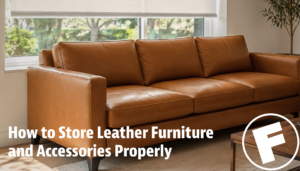
How to Store Leather Furniture and Accessories Properly
Leather furniture is known for its durability, comfort, and timeless appearance. A well-maintained leather sofa, chair, or accessory can remain beautiful for many years while adding warmth and sophistication to any space. However, even the highest-quality leather is vulnerable to one of its most common environmental threats: prolonged exposure to heat and sunlight.
Many homeowners notice the signs gradually. A once-rich leather sofa begins to look lighter in certain areas. The surface feels dry or less flexible. The color appears uneven, especially near windows or rooms with strong natural lighting. These changes are often caused by leather sun damage, a form of deterioration that occurs when ultraviolet rays and heat slowly affect the material’s structure.
Understanding how sunlight impacts leather is an important part of protecting valuable furniture and accessories. While leather is naturally resilient, it still requires proper maintenance and protection to preserve its appearance, texture, and longevity.
How Does Sunlight Damage Leather?
Leather is made from natural fibers that have been treated and processed to create a durable material. Despite its strength, leather remains sensitive to environmental conditions, including direct sunlight, temperature changes, and dry air.
The primary concern is ultraviolet exposure. Over time, UV rays break down the natural oils and pigments within leather. This process can weaken the material and cause noticeable changes in both appearance and texture.
The effects of sunlight exposure may include:
- Fading or uneven coloration
- Dry, stiff, or brittle surfaces
- Cracking along frequently used areas
- Loss of natural softness
- Premature aging of the material
UV damage leather issues often develop slowly, which makes them easy to overlook until visible changes become significant. A leather chair placed near a bright window may appear fine for months or even years before fading and dryness become obvious.
By the time damage is noticeable, the leather may require more than routine cleaning. Professional evaluation and specialized treatment may be necessary to restore the material’s appearance and condition.
Why Heat Makes Leather Damage Worse
Sunlight is not the only concern. Heat exposure can accelerate the aging process by affecting the moisture balance within leather.
Leather naturally contains oils and moisture that help maintain flexibility. When exposed to excessive heat, these essential elements can evaporate more quickly. As the material loses moisture, it may become less supple and more vulnerable to cracking.
Homes with large windows, sunrooms, or furniture positioned near glass doors often experience this issue. While natural light can make a room feel inviting, constant heat and sunlight exposure can create conditions that slowly weaken leather.
Temperature fluctuations can also contribute to damage. For example, furniture near windows may experience intense heat during the day and cooler temperatures at night. These repeated changes can place stress on the leather fibers and finish.
Maintaining proper leather furniture care practices helps reduce the impact of these environmental factors and supports the long-term condition of your furniture.
Common Signs of Sun-Damaged Leather Furniture
Identifying early warning signs allows homeowners to address problems before they become more severe. Leather does not always show damage immediately, but certain changes indicate that the material may be affected by sunlight exposure.
1. Fading or Discoloration
One of the most recognizable signs is color change. Areas exposed directly to sunlight may appear lighter than sections protected from UV rays.
For example, the back of a leather sofa near a window may become noticeably different in color compared with cushions or areas covered by pillows. This uneven appearance is often associated with sun faded leather.
While some fading can be corrected through professional treatment, severe discoloration may require more advanced restoration techniques to improve consistency and appearance.
2. Dry or Rough Texture
Healthy leather should feel smooth, flexible, and comfortable. When sunlight and heat remove essential oils, the surface may begin feeling dry or rough.
This change is more than cosmetic. Dry leather is more vulnerable to cracking because the fibers lose some of their natural flexibility.
Regular maintenance helps preserve the material, but furniture that has already experienced significant drying may benefit from professional assessment.
3. Cracks and Surface Damage
Cracking typically develops after leather has lost moisture and flexibility. Areas that receive frequent use, such as seat cushions, armrests, and headrests, may show damage sooner because they already experience friction and pressure.
Sun exposure combined with everyday wear can speed up this process. Once cracks appear, simply cleaning the surface will not repair the underlying damage.
Professional leather restoration can help improve damaged areas and refresh the overall appearance of worn furniture.
Why Leather Protection Matters for Long-Term Furniture Care
Preventing damage is often easier and more cost-effective than addressing extensive deterioration. Proper leather protection creates an additional layer of defense against environmental factors that contribute to aging.
Protection does not mean making leather completely resistant to sunlight or heat. Instead, it involves maintaining the material properly so it can better handle everyday conditions.
A professional approach to leather protection may include:
- Assessing the leather type and finish
- Using appropriate cleaning methods
- Applying suitable protective treatments
- Maintaining the material’s natural appearance
- Addressing early signs of wear before they worsen
Different leather types respond differently to sunlight and maintenance products. Using the wrong products or techniques can potentially affect the finish, color, or texture.
This is why professional care is valuable for preserving investment pieces and high-quality furniture.
Practical Ways to Protect Leather From Sunlight and Heat
While sunlight is impossible to eliminate completely, there are several practical ways to reduce unnecessary exposure and help preserve the appearance of leather furniture. Small adjustments around the home can make a noticeable difference over time and support better leather furniture care without changing the look or function of your living space.
Position Furniture Away From Direct Sunlight
One of the easiest preventive measures is thoughtful furniture placement. If possible, avoid positioning leather sofas, recliners, ottomans, or accent chairs directly in front of large windows where they receive hours of uninterrupted sunlight each day.
Even moving furniture a few feet away from the brightest areas can reduce prolonged UV exposure. If rearranging isn’t practical, rotating furniture occasionally helps distribute light exposure more evenly so one section doesn’t fade faster than another.
For leather dining chairs or office seating, consider the path of sunlight throughout the day. A chair that appears shaded in the morning may receive intense afternoon sun.
Use Window Treatments During Peak Sunlight
Curtains, blinds, and UV-filtering window films help reduce the amount of direct sunlight reaching leather furniture without making a room feel dark.
Sheer curtains can soften harsh sunlight while still allowing natural light indoors. For rooms with large south-facing or west-facing windows, closing blinds during the hottest part of the day significantly reduces the risk of UV damage leather experiences over time.
This simple habit also helps regulate indoor temperatures, creating a more stable environment for leather.
Maintain Consistent Indoor Conditions
Leather performs best in environments with moderate temperature and humidity.
Excessively dry indoor air, especially during winter heating or prolonged air conditioning use, can gradually remove moisture from leather. Likewise, placing furniture directly beside fireplaces, heating vents, radiators, or portable heaters exposes it to concentrated heat that accelerates drying.
Keeping indoor humidity at comfortable levels and avoiding sudden temperature changes helps preserve leather’s natural flexibility.
Clean Leather Before Dirt Becomes Embedded
Dust and everyday debris may seem harmless, but over time they can become abrasive when combined with daily use. Regular cleaning removes surface contaminants before they contribute to unnecessary wear.
A soft microfiber cloth is generally sufficient for routine dust removal. Periodic professional cleaning removes oils, body residue, and accumulated grime that ordinary household cleaning cannot fully address.
Proper cleaning is an important part of long-term leather protection, helping maintain both appearance and surface integrity.
Caring for Leather Accessories
The same environmental conditions that affect furniture also impact leather handbags, briefcases, jackets, belts, and decorative accessories.
These items are often exposed to sunlight during travel, commuting, or storage near windows. Although smaller than furniture, they can experience similar problems if left unprotected for extended periods.
To help preserve leather accessories:
- Store them in cool, dry areas away from direct sunlight.
- Avoid leaving them inside hot vehicles for extended periods.
- Use breathable fabric dust bags instead of airtight plastic containers.
- Maintain their shape with appropriate supports or padding when stored.
- Keep them away from heating appliances and damp environments.
Proper storage reduces unnecessary stress on leather while helping preserve its original color and finish.
Can Sun-Damaged Leather Be Restored?
Many homeowners assume fading automatically means replacement. Fortunately, that isn’t always the case.
The possibility of repair depends on several factors, including:
- The severity of fading
- The type of leather
- The condition of the protective finish
- Whether cracking or structural damage has developed
- The age of the furniture
Mild discoloration often responds well to professional color restoration techniques. Dry leather may benefit from specialized conditioning treatments designed for its specific finish.
When cracking, peeling, or heavy fading has occurred, professional leather restoration offers solutions that go beyond ordinary cleaning products.
Restoration professionals evaluate the condition of the leather before determining the most appropriate treatment. Depending on the damage, services may include deep cleaning, color refinishing, surface repairs, protective coatings, and conditioning that helps revive the appearance of worn furniture.
Rather than replacing an expensive sofa or chair, restoration often extends its usable life while maintaining its original character.
Why DIY Products Don’t Always Solve the Problem
Store shelves are filled with leather cleaners, conditioners, and repair kits promising dramatic results. While quality maintenance products have their place, they cannot reverse every type of damage.
Applying the wrong cleaner or conditioner may leave residue, alter the finish, or create uneven coloration. Similarly, attempting to recolor faded leather without proper preparation can produce patchy or unnatural results.
Sunlight-related damage often extends beneath the surface finish, making professional assessment the safest option for valuable furniture.
Experienced technicians understand the differences between pigmented leather, aniline leather, semi-aniline leather, and protected finishes. Using products designed specifically for each material helps achieve better, longer-lasting results while avoiding unnecessary risk.
Leather Furniture Is an Investment Worth Protecting
Quality leather furniture is often one of the most significant furnishings in a home. Beyond its monetary value, it contributes to comfort, everyday living, and the overall appearance of a room.
Replacing a leather sectional, recliner, executive office chair, or custom seating can represent a substantial expense. Preventive maintenance and timely professional care are often far more cost-effective than replacing damaged pieces.
Routine inspections also help identify small issues before they become major repairs. Minor fading, early dryness, or light surface wear can often be addressed more effectively than advanced deterioration.
Whether your furniture is used daily by a busy family or serves as statement seating in a formal living room, proactive care supports its appearance for years to come.
Professional Leather Care Makes a Difference
Leather requires more than occasional dusting to remain in excellent condition. As exposure to sunlight, everyday use, body oils, and environmental conditions gradually affects the material, professional maintenance becomes an important part of preserving its beauty and durability.
Fibrenew specializes in professional leather furniture care, helping restore and protect leather that has experienced fading, dryness, cracking, scuffs, and other signs of everyday wear. Every piece is carefully evaluated to determine the most appropriate restoration approach based on its condition, finish, and type of leather.
If your furniture is showing signs of leather sun damage, uneven color, dryness, or a sun faded leather appearance, professional service can often restore its look while extending its lifespan. Contact your local Fibrenew specialist to learn how expert leather restoration and protective treatments can help keep your furniture looking its best for years to come.
Frequently Asked Questions
Q: Can leather furniture recover after sun damage?
A: It depends on the extent of the damage. Minor fading, dryness, and surface wear can often be improved through professional cleaning, conditioning, and color restoration. If the leather has developed deep cracks or significant structural deterioration, more extensive repairs may be required. Having the furniture evaluated by a leather restoration specialist is the best way to determine the appropriate solution.
Q: How long does it take for sunlight to damage leather furniture?
A: There is no fixed timeline because several factors influence the rate of deterioration. The intensity of sunlight, the number of hours of daily exposure, the type of leather, indoor temperature, and humidity all play a role. Furniture placed next to large windows or in sunrooms typically shows signs of fading and dryness sooner than pieces kept away from direct sunlight.
Q: Does every type of leather fade in the sun?
A: Yes. Genuine leather of all types can experience fading and drying when exposed to prolonged ultraviolet light. However, some finishes offer greater resistance than others. Protected leather generally withstands sunlight better than aniline leather, but no leather is completely immune to UV exposure. Regular maintenance and proper placement help reduce the effects of sunlight regardless of the leather type.
Q: How can I protect leather furniture from future UV damage?
A: The best approach combines prevention and routine maintenance. Keep furniture away from prolonged direct sunlight whenever possible, use curtains, blinds, or UV-filtering window treatments, maintain stable indoor temperature and humidity, and schedule professional leather care when signs of wear begin to appear. Preventive maintenance helps preserve the leather’s color, softness, and overall condition while extending the life of your furniture.