
How Often Should Leather Furniture Be Professionally Cleaned and Conditioned
Leather furniture remains one of the most durable and visually appealing investments for homes, offices, waiting rooms, and commercial interiors. A high-quality leather sofa, recliner, sectional, or upholstered chair adds elegance, comfort, and long-term value to a space. However, even premium leather furniture requires regular care to maintain its appearance and structural integrity over time.
Many homeowners wait until visible cracking, fading, or staining appears before scheduling professional maintenance. Unfortunately, delayed care often leads to more expensive restoration needs. Understanding proper leather cleaning frequency and following a consistent leather maintenance schedule can significantly extend the lifespan of leather furniture while helping preserve its comfort and appearance.
Professional maintenance is not only about aesthetics. Routine leather furniture cleaning removes oils, dirt, allergens, and contaminants that gradually weaken leather surfaces. Combined with leather sofa conditioning and protective treatments, regular care helps prevent cracking, dryness, discoloration, and premature wear.
Professional repair and restoration providers such as Fibrenew specialize in leather upholstery care, upholstery restoration, furniture restoration, and leather repair services designed to help residential and commercial furniture last longer through proper maintenance and restoration techniques.
Why Leather Furniture Requires Routine Professional Care
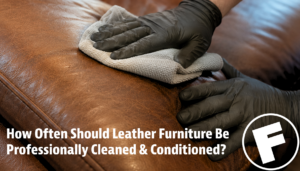
Leather is a natural material that responds to environmental conditions, body oils, friction, sunlight, humidity, and everyday use. Unlike synthetic upholstery, leather contains natural oils that help maintain flexibility and softness. Over time, these oils diminish, especially without routine conditioning and maintenance.
Without proper leather furniture maintenance, leather surfaces may experience:
- Cracking and splitting
- Dryness and stiffness
- Surface fading
- Discoloration
- Scratches and scuffs
- Embedded dirt buildup
- Premature aging
- Worn seating areas
Regular leather furniture cleaning and conditioning help preserve the integrity of the material while reducing the risk of long-term damage.
Professional leather cleaning also supports leather furniture protection by removing contaminants that household products often fail to address properly. Dirt particles trapped in leather pores can act like abrasives, gradually wearing down the surface finish during everyday use.
Understanding Leather Cleaning Frequency
One of the most common questions homeowners ask involves the ideal leather cleaning frequency for furniture. While there is no single answer for every household, most leather furniture benefits from professional cleaning every 6 to 12 months.
However, usage levels, climate conditions, and household activity can affect how often furniture should receive professional attention.
Light Residential Use
Furniture located in formal living rooms or guest spaces generally requires less maintenance.
Recommended schedule:
- Professional leather cleaning every 12 months
- Leather sofa conditioning every 12 months
- Basic dusting weekly
Although these pieces may not receive daily use, dust accumulation and environmental exposure still affect leather over time.
Moderate Daily Use
Family room seating and commonly used sofas typically require more consistent upkeep.
Recommended schedule:
- Leather furniture cleaning every 6 to 12 months
- Leather conditioning schedule every 6 to 12 months
- Spot cleaning as needed
Moderate-use furniture benefits greatly from routine leather couch care and preventive conditioning.
Heavy Use and Commercial Furniture
Office seating, restaurant booths, waiting room chairs, salon furniture, and busy households experience significantly more wear.
Recommended schedule:
- Professional leather cleaning every 3 to 6 months
- Leather sofa conditioning every 3 to 6 months
- Frequent inspections for wear and tear
Commercial environments especially benefit from structured upholstery maintenance and scheduled restoration services.
How Often Condition Leather Sofa Surfaces
Many homeowners specifically ask how often condition leather sofa materials should be treated to prevent cracking and fading. Conditioning plays a critical role in preserving leather flexibility and appearance.
Most leather care professionals recommend conditioning residential furniture every 6 to 12 months. However, furniture exposed to direct sunlight, heavy use, dry climates, or air conditioning may require more frequent care.
A proper leather conditioning schedule helps:
- Restore moisture balance
- Maintain softness
- Reduce cracking risks
- Improve flexibility
- Extend furniture lifespan
- Support leather furniture protection
Professional leather care service providers understand how different leather types react to conditioners and can apply products designed specifically for each surface finish.
Why DIY Leather Cleaning Can Cause Damage
Many homeowners attempt leather couch care using household products or online cleaning methods. Unfortunately, improper cleaning often creates more problems than solutions.
Common DIY mistakes include:
- Using excessive water
- Applying harsh detergents
- Scrubbing aggressively
- Using alcohol-based cleaners
- Applying incorrect conditioners
- Using bleach or ammonia products
These methods may remove protective coatings, dry out leather surfaces, or cause discoloration.
Professional leather cleaning services use specialized products and methods designed for different leather finishes, including:
- Aniline leather
- Pigmented leather
- Semi-aniline leather
- Nubuck leather
- Protected leather
Experienced leather care professionals understand how to clean, condition, and restore leather safely without compromising the material.
Signs Your Leather Furniture Needs Professional Attention
While following a regular leather maintenance routine is the best way to preserve your furniture, leather often gives clear warning signs when it requires professional attention. Identifying these issues early can help prevent permanent damage, extend the life of your furniture, and maintain its comfort and appearance for years to come.
Dry or Stiff Texture
Quality leather should feel soft, smooth, and flexible. When leather begins to feel dry, rough, or unusually stiff, it is often a sign that natural oils have been depleted due to age, sunlight exposure, air conditioning, or low indoor humidity. Without proper conditioning, the material can become brittle and more vulnerable to cracking. Professional leather conditioning helps restore moisture balance and improve flexibility.
Cracking or Peeling Surfaces
Small cracks, flaking, or peeling are early indicators of leather deterioration. These issues commonly develop in high-use areas such as seat cushions, armrests, and backrests. If ignored, minor surface damage can spread quickly and lead to costly repairs or irreversible wear. Professional leather repair and restoration services can often stabilize and restore damaged areas before replacement becomes necessary.
Fading and Loss of Color
Continuous exposure to sunlight, UV rays, and indoor lighting can gradually fade leather upholstery over time. Colors may appear dull, uneven, or washed out, especially near windows or brightly lit spaces. Professional restoration treatments can help revive the original richness of the leather while adding protective finishes to slow future fading.
Darkened Armrests and Headrests
Areas that come into frequent contact with skin and hair naturally collect body oils, sweat, lotions, and dirt. Over time, armrests and headrests may become noticeably darker or develop a sticky texture. These buildup areas are difficult to clean using household products alone and often require specialized leather-safe cleaning solutions and techniques.
Lingering Odors
Leather is naturally porous, meaning it can absorb odors from smoke, pets, cooking, spills, humidity, and everyday living. Persistent smells that remain after basic cleaning may indicate deep contamination within the leather surface or cushioning beneath it. Professional deodorizing treatments can safely neutralize trapped odors without damaging the leather finish.
Stubborn or Embedded Stains
Ink marks, food spills, dye transfer from clothing, and other deep stains can permanently discolor leather if treated incorrectly. DIY cleaning attempts sometimes worsen the damage by spreading the stain or stripping protective coatings. Professional leather cleaning specialists use targeted stain-removal methods designed specifically for delicate leather materials.
Uneven Coloring or Discoloration
Blotchy patches, uneven tones, or unusual discoloration may signal accumulated contamination, chemical exposure, fading, or worn protective coatings. In some cases, discoloration may also indicate moisture damage or improper previous cleaning methods. Professional assessment can determine whether recoloring, conditioning, or restoration is needed.
Loss of Shine or Protective Finish
Leather that appears dull, faded, or excessively matte may have lost its original protective coating. This protective layer helps resist spills, dirt, and everyday wear. Once compromised, leather becomes more susceptible to staining and drying. Restoration services can help replenish protective finishes and improve overall durability.
Increased Sensitivity to Scratches
If your leather furniture scratches easily or marks appear more visible than before, the surface may have weakened due to dryness or finish breakdown. Early professional treatment can reinforce the leather surface and minimize future damage.
Why Early Treatment Matters
Addressing leather issues early is one of the most effective ways to avoid extensive restoration costs. Minor dryness, discoloration, or staining can often be corrected quickly when treated promptly. Delaying maintenance may allow damage to spread deeper into the material, resulting in more complex repairs or premature furniture replacement.
Professional leather cleaning and restoration not only improve appearance but also help preserve comfort, durability, and long-term value. With proper care, high-quality leather furniture can remain attractive and functional for many years.
Factors That Influence Leather Furniture Maintenance
Not all furniture requires the same maintenance frequency. Several lifestyle and environmental factors affect leather furniture maintenance needs.
Household Activity
Larger families naturally create more wear on upholstered surfaces.
Children and Pets
Pets may introduce scratches, fur, oils, and accidents, while children increase spill risks.
Indoor Climate
Dry indoor air can remove moisture from leather, while excessive humidity may encourage mildew.
Sunlight Exposure
Direct sunlight is one of the leading causes of fading and drying.
Furniture Placement
Furniture near windows, heating vents, or fireplaces may age faster.
Commercial Use
Businesses often require more frequent upholstery maintenance due to constant traffic.
The Importance of Leather Upholstery Care
Consistent leather upholstery care is essential for preserving both the visual appeal and the long-term functionality of your investment. By committing to a proactive maintenance routine, you ensure a significantly longer furniture lifespan and improved physical comfort, as conditioned leather remains supple rather than becoming brittle. Beyond aesthetics, a regular care schedule leads to a better overall appearance and serves as a vital defense against the structural degradation that causes unsightly cracking.
From a financial perspective, preventive maintenance is often far less expensive than major restoration or total replacement, as it effectively lowers long-term repair costs and helps maintain high furniture value retention. Furthermore, a disciplined cleaning regimen ensures enhanced cleanliness by removing allergens and oils that accumulate over time. When paired with professional upholstery restoration services, this approach allows experts to identify and mitigate small problems before they escalate into severe structural issues, keeping your furniture in peak condition for years to come.
What Happens During Professional Leather Cleaning
Professional leather cleaning services typically involve several specialized steps designed to clean and preserve delicate surfaces safely.
Inspection
Technicians evaluate:
- Leather type
- Existing damage
- Color fading
- Wear patterns
- Surface contamination
- Structural concerns
Surface Cleaning
Specialized products remove:
- Dirt
- Oils
- Dust
- Everyday contaminants
- Surface stains
Deep Cleaning
Professionals carefully clean seams, textured areas, and hidden buildup without oversaturating the material.
Leather Sofa Conditioning
Conditioners replenish essential oils and restore flexibility.
Restoration and Repairs
When necessary, leather restoration services may address:
- Scratches
- Cracks
- Scuffs
- Color fading
- Minor tears
- Worn seating panels
Protective Treatments
Protective coatings may help reduce future staining and UV damage.
Leather Conditioning Schedule by Furniture Type
Different furniture categories may require slightly different maintenance routines.
Leather Sofas
- Professional leather cleaning every 6 to 12 months
- Leather sofa conditioning every 6 to 12 months
Recliners
- Conditioning every 6 months
- Frequent inspection of moving sections
Office Chairs
- Cleaning every 3 to 6 months
- Regular leather couch care because of constant contact
Dining Chairs
- Prompt cleaning after spills
- Annual conditioning recommended
Commercial Seating
- Upholstery maintenance every 3 months when possible
Leather Furniture Protection Tips Between Professional Visits
Keep your leather looking its best between expert visits by following a simple care routine. While professional leather care service remains essential, routine home maintenance also helps extend furniture life.
Dust Weekly
Use a soft microfiber cloth to prevent dirt buildup.
Vacuum Carefully
Use a brush attachment to clean seams gently.
Clean Spills Immediately
Blot liquids quickly instead of rubbing aggressively.
Avoid Direct Sunlight
UV exposure accelerates fading and drying.
Maintain Indoor Humidity
Balanced humidity helps reduce leather dryness.
Rotate Cushions
Even wear improves furniture longevity.
Avoid Harsh Products
Never use bleach, ammonia, or alcohol-based cleaners.
These sofa maintenance tips support overall leather furniture protection between professional service appointments.
The Role of Upholstery Restoration in Furniture Longevity
Professional upholstery restoration helps preserve furniture that may otherwise be discarded prematurely. Restoration specialists focus on extending furniture usability through cleaning, conditioning, repair, and refinishing techniques.
Furniture restoration may include:
- Color restoration
- Surface refinishing
- Seam repair
- Cushion repair
- Scratch removal
- Structural touch-ups
This approach supports sustainable furniture ownership while reducing unnecessary waste.
Can Older Leather Furniture Be Restored?
In many cases, yes. Professional leather restoration services can often improve the appearance and functionality of aging furniture.
Depending on the condition, restoration may help correct:
- Surface dryness
- Cracking
- Minor tears
- Fading
- Scuff marks
- Uneven coloration
- Worn finishes
Early intervention generally produces better restoration outcomes than waiting until severe deterioration occurs.
Why Professional Leather Care Matters for Commercial Spaces
Commercial furniture experiences much higher usage levels than residential furniture. Restaurants, offices, hotels, salons, clinics, and waiting rooms all require consistent maintenance to preserve furniture appearance and cleanliness.
Commercial leather cleaning services help businesses:
- Maintain professional interiors
- Extend furniture lifespan
- Reduce replacement costs
- Improve customer impressions
- Protect high-traffic seating
Routine upholstery maintenance also helps businesses manage long-term furniture expenses more effectively.
Choosing the Right Leather Care Professionals
Not all upholstery cleaners specialize in leather restoration. Selecting experienced leather care professionals is important for preserving valuable furniture.
Look for providers with expertise in:
- Leather upholstery care
- Leather repair services
- Upholstery restoration
- Furniture restoration
- Leather furniture cleaning
- Leather conditioning schedule planning
- Commercial upholstery maintenance
Experienced professionals understand how different leather materials respond to cleaning products, conditioning agents, and restoration methods.
Protect and Restore Your Leather Furniture
Leather furniture performs best when care becomes part of a consistent maintenance routine instead of a reactive repair process. Following the correct leather cleaning frequency and leather conditioning schedule helps preserve furniture comfort, appearance, and durability for years.
Whether you need professional leather cleaning, leather sofa conditioning, upholstery restoration, or leather repair services, expert maintenance can help extend the lifespan of your furniture while protecting your investment.
Fibrenew provides professional leather care service solutions for residential and commercial furniture, including leather furniture cleaning, upholstery maintenance, furniture restoration, and leather furniture protection services designed to restore and preserve leather upholstery effectively.
Give your leather a new lease on life.Ready to restore the soft feel and rich look of your leather furniture? Find a Fibrenew professional near you or request a quote today to schedule your expert cleaning and conditioning service.
Frequently Asked Questions
Q: What is the ideal leather cleaning frequency for furniture?
A: Most leather furniture should receive professional leather cleaning every 6 to 12 months. Heavy-use furniture may require service every 3 to 6 months.
Q: How often do you condition leather sofa furniture?
A: Most experts recommend leather sofa conditioning every 6 to 12 months, depending on climate conditions and furniture usage.
Q: Why is leather upholstery care important?
A: Leather upholstery care helps preserve softness, prevent cracking, reduce fading, and extend the lifespan of leather furniture.
Q: Can professional leather cleaning remove stains?
A: Yes. Professional leather cleaning services can often remove dirt, oils, and many surface stains safely without damaging leather finishes.
Q: What are common signs furniture needs leather repair services?
A: Cracking, fading, peeling, scratches, dryness, and worn seating areas are common signs that professional leather repair services may be needed.
Q: Does sunlight affect leather furniture maintenance?
A: Yes. Direct sunlight can dry out leather, fade colors, and increase cracking risks, making regular leather furniture maintenance essential.
Q: How can I improve leather furniture protection at home?
A: Regular dusting, prompt spill cleanup, avoiding harsh chemicals, and following a proper leather conditioning schedule all help improve leather furniture protection.
Q: What is included in upholstery restoration services?
A: Upholstery restoration may include cleaning, conditioning, color repair, scratch repair, seam repair, refinishing, and structural furniture restoration.