
Repair vs Replace: The Smart Cost-Saving Strategy for Commercial Furniture
Imagine a potential client, a patient, or a new customer walking into your business for the very first time. Whether you run a bustling restaurant, an upscale hotel, a busy medical clinic, or a sleek corporate office, the first thing they notice isn’t always your product or service it’s your environment. They notice where they sit. Now, imagine they sit on a premium leather sofa or booth that is cracked, peeling, or severely faded. Instantly, the perceived value of your service drops.
Furniture in commercial spaces takes an incredible amount of abuse. Thousands of customers sit, slide, spill, and scratch these surfaces year after year. When that inevitable wear and tear happens, every business owner, facility manager, and operational director faces the same frustrating dilemma: Do we throw these expensive pieces out and buy new ones, or do we bring them back to life?
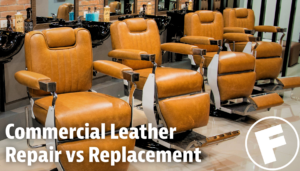
When navigating the repair vs replace furniture debate, the answer isn’t just about aesthetics, it’s about the bottom line, operational downtime, and long-term sustainability. In this comprehensive guide, we will unpack the true economics of commercial furniture management, helping you decide which route actually saves your business more money and hassle.
The Hidden, True Costs of Replacing Commercial Furniture
When most business owners consider replacing worn-out furniture, they usually look only at the catalog price of the new items. But buying new is a massive financial iceberg, and the sticker price is just the tip. To accurately weigh your options, you have to look at the hidden costs that quietly drag down your profitability.
First, consider the logistics. Ordering new commercial-grade leather furniture involves hefty shipping and freight charges. Once it arrives, you have to pay for assembly and installation. But what about the old furniture? Commercial disposal fees are skyrocketing, and tossing bulky leather sofas or dining booths into a landfill is neither cheap nor environmentally responsible.
Then, there is the silent revenue killer: downtime. Replacing furniture isn’t an overnight task. It requires closing off sections of your business, managing delivery windows, and disrupting your customers’ experience. For a restaurant or a hotel, closing down a seating area means turning away paying guests.
Furthermore, there’s a quality dilemma. Older commercial furniture was often built with robust hardwood frames and high-density foam designed to last decades. Many modern, budget-friendly replacements rely on engineered woods and inferior padding that will break down in half the time. By throwing away your current furniture, you might be discarding a superior foundation just because the surface layer is damaged.
The Power of Commercial Leather Repair: A Financial Lifesaver
This is where professional commercial leather repair steps in as a game-changer. Rather than discarding a structurally sound piece of furniture due to a rip, fading, or stain, specialized restoration technicians can revitalize the leather right where it sits.
What exactly does this repair process involve? It is far more sophisticated than simply slapping a patch over a hole. Professional leather technicians use advanced compounds to meticulously fill cuts, tears, and scratches. They then custom-mix dyes on-site to perfectly match the original color of the leather, reapplying the finish to blend seamlessly with the surrounding area. Finally, they recreate the unique grain of the leather, rendering the repair virtually invisible to the naked eye.
By choosing to repair rather than replace, you keep your high-quality frames intact while giving the surface a brand-new lease on life. More importantly, professional repairs can typically be completed on-site and after hours. This means absolutely zero downtime for your business. Your patrons leave on a Friday evening, and they return on Saturday morning to what looks like a brand-new lobby or dining room.
Direct Comparison: Furniture Restoration Cost vs. Buying New
To truly understand the value, we need to talk numbers. The furniture restoration cost is almost universally a fraction of the cost of total replacement. While exact figures vary depending on the extent of the damage and the size of the piece, businesses can typically expect to save between 70% to 90% by choosing repair over replacement.
Let’s illustrate this with a realistic scenario. Imagine a corporate waiting room with two large, high-end leather sofas. Replacing these with pieces of equal quality might cost upwards of $4,000 to $6,000, not including shipping, tax, and the labor required to dispose of the old sofas.
Conversely, restoring those same sofas fixing scratches from briefcases, restoring faded dyes from sunlight exposure, and treating minor wear and tear might run a few hundred dollars. The return on investment (ROI) is staggering. You are essentially extending the lifespan of a costly capital investment for pennies on the dollar. When you multiply those savings across an entire office building, a hotel chain, or a multi-location clinic, the financial benefit becomes impossible to ignore.
Industry Spotlight: Navigating Restaurant Booth Repair
Nowhere is the wear and tear of commercial furniture more evident than in the hospitality industry. Restaurants, diners, and bars see a relentless turnover of guests, resulting in rapid degradation of seating areas. A tear in a dining booth isn’t just an eyesore; it’s a massive hygiene issue. Food crumbs and spilled liquids can seep into cracked leather or vinyl, harboring bacteria and creating unpleasant odors.
When it comes to restaurant booth repair, acting quickly is essential. A small puncture from a patron’s keys can quickly spider-web into a massive tear under the constant pressure of people sliding in and out. Replacing custom-built restaurant booths is notoriously expensive and requires precise measurements and long manufacturing lead times.
Professional restoration experts can seamlessly repair these booths on-site. They can fix the rips, restore the faded color from harsh industrial cleaning chemicals, and reinforce the material to withstand future abuse. This ensures that the restaurant maintains a pristine, appetizing atmosphere without the astronomical costs and operational closures associated with a full dining room remodel.
Other Sectors That Benefit Immensely
The advantages of repair stretch far beyond the hospitality sector.
- Medical Clinics and Hospitals: Hygiene is paramount. Cracked leather or vinyl on examination tables, dental chairs, or waiting room seating cannot be properly sanitized. Repairing these surfaces restores their non-porous nature, ensuring compliance with strict health regulations.
- Hotels and Resorts: From lobby couches to headboards and bar stools, hotels have massive furniture inventories. A cyclical maintenance and repair program keeps the property looking five-star without draining the capital expenditure budget.
- Aviation and Marine: The leather used in private jets, commercial airliners, and yachts is subjected to extreme UV exposure and temperature fluctuations. Specialized repair not only saves money but also preserves the stringent safety and flame-retardant certifications of the original materials.
Proactive Care: How to Extend the Life of Your Leather Furniture
Of course, the absolute best way to save money on repairs is to prevent severe damage in the first place. Leather is essentially a skin; without proper hydration and protection, it will dry out, crack, and lose its color. Routine maintenance is the secret weapon of savvy facility managers.
Implementing an ongoing maintenance program can add years to the life of your commercial furniture. Professional cleaning removes the deeply ingrained dirt, oils from human skin, and ink marks that slowly degrade the leather’s protective topcoat.
For the absolute best results, it is highly recommended to invest in professional leather cleaning and protecting services. Expert technicians do more than just wipe down the surface; they deeply re-moisturize, revitalize, and renew the leather, adding protective barriers that resist future stains and UV fading. Whether you need a one-time rejuvenation to remove stubborn blemishes or an ongoing, scheduled commercial maintenance program, professional conditioning is the most cost-effective insurance policy for your interior assets.
The Environmental Impact: A Greener Choice
In today’s business landscape, corporate social responsibility is no longer just a buzzword; it’s an expectation. Consumers actively look to support businesses that prioritize eco-friendly practices. By choosing to restore rather than replace, you are actively participating in the circular economy.
Millions of tons of furniture end up in landfills every single year. The manufacturing of new furniture requires massive amounts of raw materials wood, water, chemicals for tanning leather, and petroleum for foam padding. The carbon footprint of producing, shipping, and delivering a single new sofa is substantial.
Opting for restoration drastically reduces this environmental burden. It keeps bulky waste out of local landfills and eliminates the need for the raw materials and energy required to manufacture a replacement. Promoting your business’s commitment to sustainable practices like furniture restoration can actually become a compelling, positive part of your brand’s marketing narrative.
Making the Smart Business Decision
At the end of the day, managing a successful business is about maximizing value and minimizing waste. When faced with aging, damaged interiors, the initial instinct to toss and replace is an outdated, expensive reflex.
The debate over repairing versus replacing commercial furniture has a clear winner for the modern enterprise. By leveraging expert restoration services, you bypass the exorbitant costs of new inventory, avoid crippling operational downtime, and make an environmentally responsible choice. You preserve the structural integrity of your original investments while ensuring your business always puts its best, most professional foot forward.
Stop letting torn booths and scratched sofas drain your budget or drive away your customers. Evaluate your commercial space today, calculate your potential savings, and discover how a simple restoration can transform your bottom line.
Ready to Save Your Business Time and Money?
Is your commercial furniture looking tired, torn, or faded? Don’t spend thousands of dollars on full replacements when you can restore it for a fraction of the cost! Protect your investment, impress your customers, and save your budget. Contact a professional leather restoration expert today for a free on-site estimate and ask about how an ongoing commercial maintenance program can work for you!
Frequently Asked Questions (FAQs)
Q: What is the typical furniture restoration cost compared to buying new?
A: On average, commercial furniture restoration costs between 10% to 30% of the price of buying a brand-new replacement. This results in an immediate 70% to 90% cost savings, making repair a highly lucrative strategy for businesses looking to minimize capital expenditures.
Q: Can you perform restaurant booth repair on-site without closing the dining room?
A: Yes. Professional leather and vinyl technicians can complete restaurant booth repairs directly on-site, usually during off-hours, over the weekend, or before opening. The dyes and repair materials cure quickly, meaning there is zero downtime for your restaurant’s daily operations.
Q: What types of damage can commercial leather repair fix?
A: Expert leather repair can seamlessly fix a wide variety of damage, including rips, tears, cuts, punctures, burns, severe scratches, sun fading, and chemical stains. Technicians re-dye and re-grain the damaged area so the repair blends invisibly with the surrounding original material.
Q: How do you decide whether to repair vs replace furniture in a business? A: You should choose to repair if the underlying frame and interior cushioning of the furniture are still structurally sound. If the damage is purely cosmetic (such as surface-level leather or vinyl wear and tear), repair is almost always the more cost-effective, faster, and environmentally friendly solution.
Q: How often should commercial leather furniture be cleaned and conditioned?
A: For high-traffic commercial environments like hotel lobbies, medical waiting rooms, or busy restaurants, professional cleaning and conditioning should be performed every 6 to 12 months. This routine maintenance prevents the leather from drying out and cracking, significantly extending the furniture’s lifespan.