
Leather Sofa Repair vs Replacement: What Professionals Recommend
A leather sofa is more than just another piece of furniture. It is often where families gather at the end of the day, guests are welcomed, and everyday moments become lasting memories. Because it receives so much use, signs of wear eventually begin to appear. Scratches, fading, small tears, worn armrests, and cracked surfaces are common, especially on furniture that has been part of a home for many years.
When these issues become noticeable, homeowners usually face an important question. Should the sofa be repaired, or is it time to buy a new one?
The answer depends on more than appearance alone. Restoration professionals evaluate the overall condition of the furniture before recommending the best solution. In many cases, cosmetic damage can be repaired successfully, allowing homeowners to keep a high-quality sofa without investing in an expensive replacement.
Understanding when restoration makes sense helps you make a practical decision that protects your investment and extends the life of your furniture.
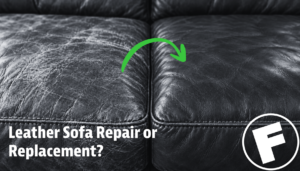
Why Replacing a Leather Sofa Is Not Always the Best Solution
Many people assume that visible damage means a sofa has reached the end of its lifespan. While that may be true for severely damaged furniture, cosmetic wear rarely tells the whole story.
Leather naturally develops character over time. Daily use can lead to fading, light scratches, wrinkles, and worn finishes, but these changes do not necessarily affect the structural integrity of the furniture.
A professionally performed leather sofa repair can address many of these issues without replacing the entire piece.
Replacing a sofa should generally be considered only after evaluating factors such as frame stability, cushion support, and the condition of the leather itself. If these core components remain in good shape, restoration often provides a more economical and sustainable solution.
Professional technicians understand that every sofa is different. Instead of making recommendations based solely on appearance, they assess whether the furniture can continue providing years of reliable use after restoration.
What Professionals Look for Before Making a Recommendation
Experienced restoration specialists do not automatically recommend repair or replacement. Instead, they perform a thorough inspection to determine the overall condition of the furniture.
Several factors influence their recommendation.
Structural Integrity
The frame serves as the foundation of any sofa.
If it remains sturdy, level, and free from major structural damage, the furniture may still have many years of useful life remaining. Solid hardwood frames, especially those found in older furniture, are often built to last much longer than many modern mass-produced alternatives.
Condition of the Leather
Leather wears differently depending on its quality, finish, and how it has been maintained.
Professionals examine whether the damage is limited to the surface or whether it extends deep into the material. Minor cracks, scratches, fading, and discoloration are frequently repairable using specialized restoration methods.
Cushion Support
Comfort is just as important as appearance.
Flattened cushions, worn foam, or sagging seats can often be restored without replacing the entire sofa. If the seating system remains structurally sound, repairing these components may be far more practical than purchasing new furniture.
Overall Cost
Cost is another important consideration.
Professionals compare the estimated restoration expense with the cost of purchasing a similar-quality replacement. Many homeowners are surprised to learn that restoring an existing sofa can provide substantial savings while preserving a piece they already enjoy.
Common Types of Damage That Can Often Be Repaired
Leather is a durable material, but years of daily use naturally leave their mark.
Fortunately, many types of damage are considered cosmetic and can often be corrected through professional restoration.
Some of the most common issues include:
- Surface scratches from pets or everyday use
- Faded color caused by sunlight
- Dry, cracked leather
- Worn seat cushions
- Minor tears and punctures
- Ink marks and stains
- Scuffed armrests
- Peeling protective finishes
- Loose stitching
- General wear in high-use areas
While these issues may seem severe, many can be addressed through a professional leather sofa repair service that restores both appearance and durability.
Repair Often Preserves Better Furniture
One reason restoration professionals frequently recommend repair is because many older sofas were built with better materials than some newer models available today.
Years ago, manufacturers commonly used:
- Solid hardwood frames
- High-density cushions
- Premium leather hides
- Durable suspension systems
- Reinforced construction methods
Modern furniture can certainly offer excellent quality, but many lower-priced options rely on engineered wood, thinner leather, or synthetic materials that may not provide the same longevity.
When an older leather sofa still has a strong frame and quality construction, restoring it often represents a better long-term investment than replacing it with a lower-quality alternative.
Understanding the True Cost of Replacement
The purchase price of a new sofa is only one part of the equation.
Replacing furniture often includes additional expenses that homeowners may overlook.
These costs can include:
- Delivery fees
- Removal of the existing sofa
- Disposal charges
- Extended shipping times
- Additional accessories to match new furniture
- Possible room redesign to fit different dimensions or colors
In contrast, restoration focuses on improving the furniture you already own.
The process allows homeowners to maintain the style, comfort, and familiarity of their existing sofa while avoiding many of the hidden costs associated with replacement.
Repair Versus Replacement Depends on the Type of Damage
The discussion around repair vs replace leather sofa often comes down to the extent of the damage rather than the age of the furniture.
Cosmetic Damage
Cosmetic issues are among the easiest for professionals to restore.
These include:
- Fading
- Surface scratches
- Minor cracks
- Small punctures
- Scuffs
- Worn finish
These types of problems generally affect appearance more than function.
Moderate Damage
Moderate wear may involve:
- Larger tears
- Loose seams
- Cushion deterioration
- Noticeable discoloration
- Moderate cracking
Professional restoration can often address these issues through a combination of repair, refinishing, color matching, and replacement of specific components rather than the entire sofa.
Severe Structural Damage
There are situations where replacement becomes the more practical option.
Examples include:
- Broken frames
- Extensive water damage
- Severe fire damage
- Widespread mold contamination
- Complete deterioration of multiple structural components
A trustworthy restoration company will explain when repair is no longer the most economical solution instead of recommending unnecessary services.
Restoration Supports Sustainable Living
Furniture restoration is becoming increasingly popular among homeowners who want to reduce unnecessary waste.
Every year, thousands of sofas end up in landfills simply because they no longer look attractive, even though they remain structurally sound.
Choosing a professional sofa restoration service helps extend the usable life of quality furniture while reducing the environmental impact associated with manufacturing, shipping, and disposing of large household items.
Restoration also encourages homeowners to preserve craftsmanship instead of replacing furniture simply because of cosmetic imperfections.
For many families, this approach supports both financial savings and more responsible consumption.
Why Professional Repairs Produce Longer-Lasting Results
Leather is a natural material that responds differently to wear than fabric or synthetic upholstery. Every type of leather has unique characteristics, which means restoring it requires more than simply filling a scratch or applying a matching color.
Professional technicians are trained to identify the type of leather, evaluate the condition of its finish, and select restoration methods that are appropriate for the material. Their goal is not only to improve the appearance of the sofa but also to preserve its durability and comfort.
A successful repair blends seamlessly with the surrounding surface. Instead of drawing attention to the damaged area, the restored section should look and feel consistent with the rest of the furniture. Achieving that result requires specialized products, professional equipment, and years of experience.
Whether the damage involves fading, scratches, worn armrests, or small tears, a qualified technician focuses on restoring the sofa while maintaining its original character.
The Risks of DIY Leather Repair
Do-it-yourself repair kits have become widely available, often promising quick and inexpensive results. While they may seem appealing, they rarely provide the same finish or durability as professional restoration.
One of the most common challenges is color matching. Leather naturally develops variations in tone over time because of sunlight, daily use, and aging. Applying a generic color from a repair kit often creates patches that stand out instead of blending naturally.
Texture is another concern. Leather has a distinct grain that is difficult to recreate without specialized tools. Even if the color appears close, an uneven texture can make the repair obvious.
DIY attempts may also introduce additional problems, such as:
- Uneven finishes
- Excess adhesive residue
- Stiff repaired areas
- Visible patch lines
- Premature peeling
- Further damage caused by improper cleaning products
When these issues occur, correcting them can become more difficult than repairing the original damage. For homeowners who want results that last, professional restoration is often the better investment.
Understanding Furniture Restoration Value
When people think about restoring furniture, they often focus on immediate repair costs. Professionals look beyond that and consider the overall furniture restoration value the project provides over time.
That value includes several important factors.
Extending the Life of Existing Furniture
A well-built leather sofa can remain functional for many years. Restoring worn areas allows homeowners to continue using furniture they already trust instead of replacing it prematurely.
Preserving Quality Craftsmanship
Many leather sofas feature construction methods and materials that are difficult to find in today’s mass-produced furniture. Restoring these pieces helps preserve the quality that made them valuable in the first place.
Protecting Your Original Investment
Leather furniture often represents a significant purchase. Restoring cosmetic damage allows homeowners to maximize that investment by extending the sofa’s usable life rather than replacing it after relatively minor wear.
Maintaining the Look of Your Home
Replacing a sofa may require updating other furniture or décor to maintain a cohesive appearance. Restoration allows homeowners to refresh an existing piece while preserving the style of the room.
What to Expect From a Professional Leather Sofa Repair Service
Every restoration project begins with a detailed assessment. Rather than offering a one-size-fits-all solution, technicians develop a repair plan based on the condition of the furniture and the type of damage present.
Although every project is unique, the process generally includes several important steps.
Inspection
The technician evaluates the frame, cushions, seams, leather surface, and finish to determine whether restoration is the best option.
Cleaning
Professional cleaning removes dirt, body oils, and everyday residue that accumulate over time. This step prepares the leather for restoration while helping reveal its true condition.
Surface Repairs
Depending on the damage, technicians repair scratches, cracks, scuffs, punctures, or small tears using products designed specifically for leather restoration.
Color Matching
One of the most important parts of the process is restoring a consistent appearance. Professionals custom-match color so repaired areas blend naturally with the surrounding leather.
Protective Finish
A protective coating helps improve durability and supports the long-term performance of the restored surface.
The result is a sofa that looks refreshed while maintaining its comfort and character.
How to Know When It’s Time to Schedule an Inspection
Many homeowners wait until damage becomes severe before seeking professional help. In reality, addressing problems early often leads to better outcomes.
Consider having your sofa evaluated if you notice:
- Fine cracks beginning to spread
- Color fading in frequently used areas
- Scratches becoming more noticeable
- Dry or rough leather
- Small tears increasing in size
- Worn armrests or seat cushions
- Loose stitching
- Areas where the finish has started to wear away
Prompt attention can help prevent minor issues from becoming more extensive repairs.
Choosing the Right Restoration Company
Not every furniture repair business specializes in leather restoration. Selecting a company with the right experience can make a noticeable difference in both the appearance and longevity of the repair.
When comparing providers, look for a company that:
- Specializes in leather, vinyl, and plastic restoration
- Has experience working with residential furniture
- Provides professional color matching
- Performs thorough inspections before recommending repairs
- Offers honest guidance based on the condition of the furniture
- Uses professional-grade restoration products
- Has a reputation for quality workmanship and reliable service
An experienced team understands that every leather sofa is different and tailors the restoration process to achieve the best possible result.
When Repair Is the Smarter Investment
There is no one-size-fits-all answer when deciding whether to restore or replace a sofa. The best choice depends on the condition of the furniture, the extent of the damage, and the quality of its construction.
In many cases, damaged sofa repair is the more cost-effective solution when the frame remains structurally sound and the damage is primarily cosmetic. Professional restoration can extend the life of your furniture while preserving the comfort, style, and character of a sofa you already love. It also helps you avoid the expense of purchasing a comparable high-quality replacement.
Rather than recommending a replacement by default, experienced restoration specialists carefully assess each piece to determine the most practical and economical solution. Their recommendations consider structural integrity, repair costs, long-term durability, appearance, and sustainability, helping homeowners make informed decisions with confidence.
If your leather sofa is showing signs of cracking, fading, scratches, tears, worn cushions, or everyday wear, professional restoration may be the ideal solution. Skilled technicians can evaluate its condition, explain your repair options, and restore its appearance and functionality without the cost of replacing the entire piece.
Contact us today to schedule a professional assessment of your leather sofa. Our experienced restoration specialists will help you determine whether repair is the best investment and provide a customized solution that restores your furniture’s beauty, comfort, and longevity.
Frequently Asked Questions
Q: How do I know if my leather sofa can be repaired instead of replaced?
A: If the frame is stable and the damage is limited to scratches, fading, cracks, scuffs, or small tears, restoration is often a practical option. A professional inspection can determine whether repair will provide lasting results.
Q: Can a leather sofa be restored to match its original color?
A: Yes. Professional restoration specialists use custom color-matching techniques to blend repaired areas with the surrounding leather, creating a natural and consistent appearance.
Q: Is professional leather sofa repair worth the investment?
A: For many homeowners, yes. Restoring a quality sofa is often more cost-effective than purchasing a comparable replacement while preserving comfort, craftsmanship, and the overall look of the furniture.
Q: How can I keep my leather sofa looking its best after restoration?
A: Clean the surface regularly with products recommended for leather, wipe up spills promptly, avoid prolonged exposure to direct sunlight, and schedule professional maintenance if signs of wear begin to reappear.