
How Long Furniture Really Lasts When Properly Maintained
Furniture is a silent witness to our lives. It is the backdrop of our morning coffees, the anchor of our family dinners, and the sanctuary where we retreat after a long day. However, many people view their home furnishings as temporary fixtures, items that will inevitably end up on a curb within a few years. This disposable mindset is not just hard on the wallet; it is hard on the planet. When we talk about furniture lifespan, we are really talking about the intersection of quality manufacturing and diligent care. With the right approach, a piece of furniture does not have to be a decade-long commitment: it can be a lifelong companion.
The True Science Behind Furniture Longevity
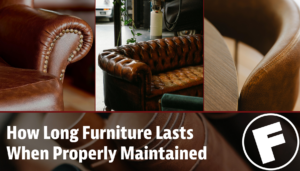
The term furniture longevity refers to the total duration a piece remains functional and aesthetically pleasing. Most people assume that once a sofa starts to sag or a leather chair begins to crack, the item has reached the end of its road. In reality, the structural components of high-quality furniture often outlast the surface materials by decades. A solid hardwood frame can easily last fifty years, yet the fabric covering it might show wear in five.
Understanding the baseline for various items is essential. A standard upholstered sofa usually has a projected life of seven to ten years under “normal” use. A dining table might see fifteen to twenty years, while a well-made dresser can last upwards of thirty. However, these figures are averages, not destinies. By implementing a consistent routine of furniture maintenance, you can effectively double or even triple these estimates. The goal is to shift the narrative from replacement to preservation.
Environmental Stressors and the Need for Care
Our homes are not static environments. They are dynamic spaces filled with variables that actively work against extending furniture life. UV rays from windows act as a slow-motion bleach, breaking down chemical bonds in fabrics and drying out natural oils in wood and leather. Humidity fluctuations cause wood to expand and contract, which can eventually loosen joints and create structural instability.
Furthermore, our daily habits play a massive role. The natural oils from our skin, the friction of our clothing, and the accidental spills from our evening meals all contribute to the degradation of surfaces. Without a proactive strategy for sustainable furniture care, these small daily impacts accumulate into irreversible damage. This is why having a repertoire of furniture care tips is not just for the meticulous: it is a necessity for any homeowner who values their investment.
The Role of Professional Upholstery Repair in Modern Homes
There is a common misconception that maintenance is strictly a DIY endeavor. While vacuuming and dusting are vital, they only go so far. This is where professional upholstery repair becomes a game changer for the modern household. Think of it like a high-end vehicle: you can wash it yourself, but you take it to a specialist for engine work and detailing.
When a piece of furniture begins to show signs of structural fatigue or deep-seated staining, seeking out a specialist is the most efficient way to protect your investment. Professionals have access to tools and materials that the average consumer does not. They can reinforce frames, replace internal webbing, and address “pilling” or thinning fabric before it turns into a gaping hole. This proactive intervention is the secret to a long furniture lifespan.
Sustainable Furniture Care: Beyond the Surface
In an era of fast furniture, choosing to maintain and restore is a radical act of environmentalism. Every piece of furniture kept in a home is one less piece in a landfill. The energy and resources required to manufacture a new sofa: from harvesting timber to processing petroleum-based foams and shipping the finished product across oceans: are significant.
Sustainable furniture care involves looking at your home as a closed-loop system. When you prioritize upholstery restoration over buying new, you are significantly reducing your carbon footprint. This approach also allows you to keep high-quality materials in circulation. Older furniture often features craftsmanship and materials, such as old-growth wood, that are increasingly rare and expensive in today’s market. Preserving these items is an act of historical and environmental conservation.
Deep Dive into Upholstery Restoration
Fabric furniture acts as a giant filter for your home, trapping dust, pet dander, and allergens. Over time, these particles act as micro-abrasives. Every time you sit down, you are essentially rubbing sandpaper into the fibers. This is why upholstery restoration is about more than just looks: it is about the structural health of the textile.
A professional restoration process often involves a deep, systemic cleaning that reaches beyond the surface. It also includes the repair of minor tears, the replacement of worn foam, and the tightening of the fabric over the frame. By refreshing the tension and the padding, you eliminate the friction points that lead to premature wear. This level of care is what separates a sofa that lasts five years from one that lasts twenty-five.
The Art and Necessity of Leather Repair
Leather is a unique material because it is skin. Just like our own skin, it requires hydration and protection to remain supple. If leather is neglected, it will eventually lose its moisture, leading to “crazing” or fine cracks on the surface. Once these cracks are deep-seated, they can split open, exposing the inner fibers of the hide.
A specialized leather repair service can work wonders on these issues. Professionals can clean the pores of the leather, reintroduce essential oils, and even use specialized fillers and dyes to mask scratches and cracks. This does not just “hide” the damage; it stabilizes the material to prevent further spreading. If you have a high-quality leather piece, regular professional intervention is the single most important factor in ensuring its furniture longevity.
Practical Furniture Care Tips for Daily Life
While professional services are essential for major milestones, your daily and weekly habits are the front line of defense. Here are some actionable strategies for extending furniture life:
- The Rotation Rule: Always rotate your sofa cushions and flip them if the design allows. This prevents “pathing” where one spot becomes permanently indented.
- The Sun Shield: Use sheer curtains or UV-blocking window films in rooms that get heavy afternoon sun. This simple step can add years to the color vibrancy of your upholstery.
- Immediate Action: Never let a spill sit. Use a blotting motion rather than a rubbing motion to lift liquids. Rubbing pushes the liquid deeper into the fibers and can damage the weave.
- Vacuuming with Care: Use the upholstery attachment on your vacuum at least once a week. Be sure to get into the crevices where grit hides, as this grit is what eventually saws through the fabric from the inside out.
- Hardware Checks: Once a year, tip your chairs and sofas over to check for loose screws or wobbling legs. Tightening a bolt now can prevent a frame snap later.
Light Upholstery Repair: The Middle Ground
Not every issue requires a full tear-down and rebuild. Often, what a piece needs is light upholstery repair and restoration. This might involve fixing a snagged thread, replacing a missing button, or cleaning a specific area of discoloration. Addressing these “small” problems early prevents them from escalating into the type of damage that makes a piece feel “shabby.”
By focusing on these minor corrections, you maintain the high-end feel of your home without the high-end price tag of a total replacement. This tier of service is particularly effective for high-use items like office chairs or breakfast nook seating, where localized wear is common but the overall structure remains sound.
The Financial Logic of Maintenance
Let’s look at the numbers. A high-quality upholstered sofa might cost 2,000 dollars. If it lasts 7 years, your cost of ownership is roughly 285 dollars per year. However, if you spend 300 dollars every few years on professional upholstery repair and furniture maintenance, and that same sofa lasts 21 years, your annual cost drops to less than 130 dollars, even including the maintenance fees.
The math is clear: maintenance is a high-yield investment. Furthermore, well-maintained furniture retains its resale value. If you ever decide to change your interior design style, a well-cared-for piece can be sold on the secondary market for a significant portion of its original price, whereas a neglected piece is a liability you might have to pay someone to haul away.
Choosing the Right Path for Your Home
When assessing your furniture, ask yourself if the piece makes you happy and if the “bones” are good. If the answer is yes, then restoration is almost always the superior choice. It allows you to maintain the comfort you are already accustomed to while refreshing the aesthetic to look brand new.
In a world that often prioritizes the “new,” there is a deep satisfaction in the “renewed.” There is a story in a restored chair: a story of resilience, smart ownership, and a commitment to quality. By following these guidelines and partnering with experts for leather repair and structural work, you ensure that your home remains a testament to timeless style and enduring comfort.
If your furniture is showing the signs of a life well-lived: whether it is a faded leather sofa, a stained fabric armchair, or a vinyl stool with a small tear: do not assume its journey is over. Most damage that occurs during daily use is surface-level and can be expertly corrected.
Choosing to invest in professional restoration is a way to honor the quality of your original purchase while making a sustainable choice for the future. By focusing on repair rather than replacement, you can transform a tired piece of furniture into the highlight of your room once again. This proactive approach to your living space ensures that your favorite items will continue to provide comfort and beauty for many years to come. Contact our restoration specialists today for a professional assessment, and see how easy it is to make your furniture look and feel brand new again.
Frequently Asked Questions
Q: What is the most common factor that reduces furniture lifespan?
A: The most common factor is actually accumulated dust and grit. These microscopic particles act as abrasives that wear down fabric fibers and wood finishes through daily friction. Regular vacuuming and dusting are the most effective ways to combat this.
Q: How does professional leather repair differ from store bought kits?
A: Store-bought kits often use generic fillers and colors that rarely match perfectly and can peel over time. A professional service uses medical-grade cleaners and custom-blended pigments that bond with the leather, ensuring the repair is both invisible and durable.
Q: Is it possible to perform upholstery restoration on vintage pieces?
A: Absolutely. In fact, vintage pieces are often the best candidates for restoration because they were typically built with higher-quality hardwood frames than modern mass-produced furniture. Restoring a vintage piece often results in a product that is superior to what you could buy new today.
Q: What are some furniture care tips for households with pets?
A: In addition to regular cleaning, consider using washable throws on “pet-preferred” spots. For leather furniture, keep your pet’s nails trimmed to prevent deep scratches, and use a professional-grade protector that makes the leather more resistant to odors and oils.
Q: When should I seek professional upholstery repair versus doing it myself?
A: If the damage involves structural issues, deep tears, or complex staining on delicate fabrics like silk or velvet, you should always call a professional. DIY attempts on these issues often lead to permanent damage or “water rings” that are harder for a professional to fix later.
Q: How does sustainable furniture care help the environment?
A: It keeps bulky items out of landfills and reduces the demand for the raw materials (wood, oil, water) used in manufacturing new furniture. By extending the life of what you already own, you are directly participating in a circular economy.