
Leather Chair Repair: Why Professional Restoration Delivers Better Results Than Replacement
That favorite armchair in your home office or living room has likely seen its share of history. It is the chair you sit in to read, finish late-night work, or relax after a long week. Quality seating has a distinct personality. It adapts to your body over time, breaking in rather than simply wearing out.
However, life happens. Sun exposure dries out natural oils, pet claws leave fine scratches, accidental spills create stubborn stains, and daily seating causes surface cracks along the cushion. When your favorite piece starts showing wear, your first reaction might be to shop for a replacement.
Before you start browsing catalog websites or driving to showrooms, take a step back. Buying new furniture is rarely the most practical or cost-effective choice. Opting for targeted leather chair repair allows you to preserve the character, structural strength, and comfort of your existing piece while spending a fraction of what a new high-end model costs today.
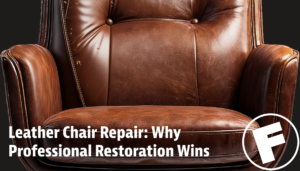
The True Cost of Replacing vs. Repairing Leather Furniture
When evaluating a damaged leather chair repair, comparing retail replacement prices to professional restoration reveals a sharp contrast. Modern manufacturing has shifted dramatically over the past few decades. Much of the mass-produced items available today rely on engineered wood frames, plastic fasteners, and low-grade synthetic materials that peel within a few years of regular use.
If your current chair was built five, ten, or twenty years ago, chances are it features a solid hardwood frame, robust spring construction, and high-density foam padding. Throwing away a well-built furniture piece simply because the top surface shows wear is like trading in a car just because it needs a fresh coat of paint or new tires.
When you hire a specialized chair leather repair service, you invest directly in fixing specific surface blemishes, renewing color, and restoring structural integrity. Professional restoration generally costs significantly less than purchasing an equivalent top-grain replacement. When you factor in delivery fees, assembly time, and the hassle of hauling old furniture away, staying with your current chair becomes the clear financial winner.
7 Reasons Professional Restoration Beats Buying New
If you are deciding whether your worn seating is worth saving, consider these seven distinct advantages that professional restoration brings to the table.
1. Superior Frame and Structural Integrity
Older chairs were manufactured with craftsmanship that is increasingly difficult to find at affordable prices today. Kiln-dried hardwood frames, hand-tied coil springs, and heavy-duty webbing form a foundation built to endure decades. When booking a furniture restoration chair project, technicians focus on restoring the top-layer aesthetics while keeping that sturdy structural core completely intact. You keep the solid support you love without settling for flimsy modern substitutes.
2. Precise Color Matching and Seamless Finish
One of the main worries people have about touch-ups is that the repaired area will look like a patchy band-aid. Professional technicians use specialized color-matching techniques to blend custom dyes that match your chair’s exact shade, tone, and sheen. Whether your seating features a rich antique patina, a multi-tone finish, or a solid color, expert technicians match both color and grain patterns so the work blends invisibly into the surrounding material.
3. Repairing Severe Damage Without Full Panel Replacement
Many homeowners assume that a deep tear, burn hole, or severe seam separation requires stripping the chair down to the frame and installing brand-new material. That is not always the case. Advanced micro-repair methods allow specialists to patch underlying mesh layers, fill surface gaps with flexible compounds, and grain-match the surface without replacing entire panels. This targeted approach keeps overall costs down while extending the lifespan of the original material.
4. Eco-Friendly and Sustainable Choice
Furniture waste is a massive contributor to global landfills, with millions of tons of discarded sofas, tables, and chairs thrown away each year. Synthetic foams and chemical treatments inside modern builds take decades to break down. Choosing to fix your existing piece rather than tossing it out keeps bulk waste out of local landfills and reduces the environmental demand for newly manufactured goods.
5. Convenience of Mobile Services
Transporting a heavy armchair across town to a workshop can be a major hassle. Fortunately, top-tier specialists offer on-site mobile restoration. Trained technicians arrive directly at your residence with all necessary tools, dyes, and curing equipment. They complete work right in your living room or office without disrupting your schedule or requiring you to hire movers.
6. Preserving Sentimental and Historical Value
Some chairs carry personal history that money cannot buy. Whether it is an heirloom wingback passed down through generations or an iconic mid-century piece sourced from an antique shop, replacing it means losing a piece of your home’s unique story. Professional restoration respects the age and character of vintage seating, fixing structural flaws while keeping the authentic charm intact.
7. Restoring Original Softness and Flexibility
Over time, untreated surfaces lose natural moisture, becoming stiff, brittle, and prone to cracking. A comprehensive leather seat repair chair service goes far beyond cosmetic coloring. Technicians deep-clean built-in oils, apply deep-penetrating conditioners, and lock in hydration with protective coats. This process restores that supple, comfortable feel that made you fall in love with the chair in the first place.
Common Types of Damage and How Pros Fix Them
Leather is a natural, porous material that reacts continuously to its environment. Heat, sunlight, body oils, and daily friction affect it in different ways over time. Understanding the type of wear your chair has suffered helps you set clear expectations for the restoration process.
Surface Cracking and Crazing
When the surface lacks sufficient moisture, the protective coating loses elasticity. As people sit down and stand up, tiny spiderweb cracks known as crazing form across the seat. Left unchecked, these micro-cracks deepen into full splits. Specialists address this by gently cleaning old sealants, applying flexible filler compounds into the cracks, and recoating the panel with custom color and protective topcoat finishes.
Cuts, Rips, and Punctures
Sharp objects like belt buckles, pocket tools, or pet claws can puncture or slice through seating panels. A professional upholstery repair technician repairs these tears from the inside out. They slide a sub-patch beneath the surface, bond it using heat-activated adhesives, fill any void with liquid compounding material, and imprint a matching grain pattern before refinishing the area.
Sun Fading and Color Loss
Chairs placed near wide windows often suffer from ultraviolet degradation. Direct sunlight breaks down color pigments, turning deep browns, tans, or blacks into washed-out, dull shades. Color restoration involves thoroughly cleaning the surface to remove dirt, priming the material, and applying rich, UV-resistant dyes that restore vivid tones.
Body Oil Accumulation and Discoloration
Headrests and armrests often collect body oils, perspiration, and hair products over time. These organic oils sink deep into untreated fibers, causing dark spots and breaking down protective topcoats. Experts use specialized degreasing agents to draw embedded oils out of the fibers before re-sealing and re-dying the surface.
Sagging Cushions and Internal Frame Wear
A pristine surface will not feel comfortable if the cushion foam inside has collapsed or support straps have loosened. Comprehensive restoration services include opening underside dust covers to replace flattened foam, adjust spring tension, and reinforce internal frame joints. This ensures the chair feels brand-new when you sit down.
The Step-by-Step Restoration Process
To appreciate why professional results look so smooth and last so long, it helps to understand the systematic process technicians follow during a job.
- Thorough Surface Preparation: Technicians begin by removing embedded grime, silicone residue, and oils using balanced cleaning solutions. Skipping this step prevents dyes and repair compounds from bonding properly.
- Sub-Surface Repair and Filling: Rips and cracks are stabilized using flexible backing sub-patches and specialized filler compounds. These materials flex along with the seating when sat upon, preventing future cracking at the repair site.
- Grain Replication: While the fill compound sets, the technician uses grain-imprinting pads to match the surrounding texture, ensuring the patch blends seamlessly into the original surface.
- Custom Color Application: Using precision airbrushing or hand-rubbing methods, thin coats of pigment are layered across the repaired area. Technicians blend the color into adjacent panels to avoid hard lines.
- Sealing and Topcoating: A protective clear coating with the selected sheen (matte, satin, or gloss) is applied over the dye layer. This locks in color, guards against wear, and provides water resistance.
- Final Conditioning: The entire chair receives a rich, non-greasy conditioner that softens the hide, restores natural flexibility, and leaves behind a clean finish.
DIY Repair Kits vs. Expert Restoration
It is easy to find inexpensive touch-up kits online promising quick fixes in minutes. While these kits sound tempting, they frequently cause more harm than good on quality furniture pieces.
The Limitations of Off-the-Shelf Kits
Most consumer DIY kits contain standard primary color pots that require you to mix your own match by eye. Achieving an exact color match under home lighting is notoriously difficult. Moreover, DIY liquid pastes tend to dry into rigid, plastic-like patches. When someone sits on the chair, the surrounding material stretches while the stiff patch stays rigid, causing the patch to crack or peel off within weeks.
Why Expert Skill Wins
Professional restoration relies on commercial-grade water-based polyurethane dyes and elastomeric fill compounds engineered specifically for high-use seating. Technicians understand the underlying chemistry of various leather types, including full-aniline, semi-aniline, protected top-grain, and bi-cast options. They adjust their tools, prep solutions, and application techniques to match the exact material, delivering a durable finish that resists daily wear.
Essential Care Tips to Extend Your Chair’s Lifespan
Once your furniture has been professionally restored, simple preventive care keeps it looking great for years to come.
- Keep Away from Direct Heat Sources: Position your chair at least two feet away from heating vents, radiators, and fireplaces to prevent the material from drying out prematurely.
- Block Direct Sunlight: Use window blinds, curtains, or UV-filtering glass film to shade furniture from prolonged exposure to harsh midday sun.
- Dust Regularly with a Microfiber Cloth: Dust and fine grit act like fine sandpaper when rubbed against surfaces under weight. Wipe down seating areas weekly with a dry or slightly damp soft cloth.
- Apply Professional Conditioner: Condition your chair every six to twelve months using a reputable, wax-free product. Avoid harsh household cleaning sprays, dish soaps, or shoe polishes, which contain solvents that strip protective finishes.
- Clean Spills Immediately: Blot liquid spills right away with a clean, absorbent cloth. Never scrub forcefully, as aggressive rubbing can push liquids deeper into pores or lift color coatings.
Restore Your Favorite Seating Today
If your chair is showing signs of age, don’t rush to replace it with mass-produced furniture. Restoration offers a smart, sustainable way to renew its comfort, strength, and original beauty while saving you money.
Whether your piece needs minor touch-ups, deep scratch fixes, color restoration, or structural support repairs, expert technicians bring specialized skill and convenience directly to your home. Give your favorite seat the care it deserves and enjoy its comfort for years to come. Contact your local restoration specialist today to request a free estimate and discover how easy it is to bring your furniture back to life.
Frequently Asked Questions
Q: How long does a professional leather chair repair usually last?
A: When completed by a trained specialist using high-grade compounds and protective topcoats, a professional repair lasts for years. Following simple care instructions like routine conditioning and keeping the chair out of direct sunlight helps the restored surface endure daily use alongside the original material.
Q: Can all types of leather chairs be repaired?
A: Most real leather types, including top-grain, full-grain, aniline, semi-aniline, and pigmented hides, respond exceptionally well to professional restoration. Bonded or faux materials can sometimes undergo surface touch-ups, but their longevity depends heavily on how intact the underlying backing material remains.
Q: Is mobile repair safe to perform inside my home?
A: Yes, mobile restoration processes are designed to be safe for residential indoor spaces. Professional technicians utilize water-based, low-VOC pigments, fillers, and sealants that dry rapidly without releasing harsh chemical fumes or leaving messy residues in your room.
Q: How much does it cost to repair a chair compared to buying a new one?
A: Professional repair and color refinishing typically costs between 60% and 80% less than buying a new top-grain chair of comparable quality. Exact pricing depends on the size of the piece and the extent of surface or structural damage, making it a highly cost-effective choice.