
Health and Safety Risks of Damaged Restaurant Seating
When patrons walk into a restaurant, they immediately begin a sensory evaluation of the environment. They notice the lighting, the aroma from the kitchen, and the greeting at the door. However, one of the most critical touchpoints in the entire dining journey is the physical comfort and security of where they sit. Restaurant seating safety is more than just a checkbox for a manager; it is a fundamental pillar of the hospitality experience. When furniture is neglected, it sends a silent message to the guest that the establishment may be cutting corners in other areas, such as food prep or sanitation.
The stakes are remarkably high. A single tear in a booth or a loose leg on a chair can escalate from a minor annoyance to a significant legal and health concern. In the competitive culinary landscape, maintaining furniture safety standards is as vital as the quality of the ingredients on the plate. This discussion explores the multi-faceted risks associated with damaged seating and why proactive restoration is the most effective path forward.
Physical Hazards of Unsafe Booth Seating and Chairs
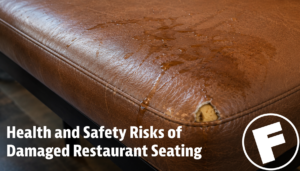
The most immediate risk of damaged furniture is physical injury. Commercial chairs and booths endure a level of wear and tear that residential furniture never encounters. Over time, the structural integrity of these pieces begins to fail.
Structural failure often happens gradually. A wooden chair may develop a slight wobble, or a metal frame might have a weakening weld. If these issues are not addressed through a professional seating repair service, they can lead to a sudden collapse. When a chair fails while a guest is seated, the resulting fall can lead to serious injuries, particularly for elderly patrons or children.
Beyond total collapse, minor damage can cause immediate physical harm. Cracked wood can splinter, and torn upholstery can reveal sharp internal springs or jagged plastic supports. Even a small tear in a vinyl booth can snag a guest’s clothing, leading to frustration and potential reimbursement claims for damaged personal property. By prioritizing restaurant seating safety, owners protect their guests from these avoidable physical mishaps.
The Hygiene Crisis: Pathogens in the Padding
While physical injuries are visible and immediate, the health risks hidden within damaged upholstery are often invisible and far more persistent. In a restaurant environment, spills are inevitable. When the protective outer layer of a seat whether it be leather, vinyl, or fabric is compromised, it becomes a gateway for liquids to seep into the foam padding.
Unsafe booth seating with cracks and tears acts like a sponge for organic matter. Food particles, spilled beverages, and cleaning chemicals penetrate deep into the seat, where they cannot be reached by standard surface wiping. This creates a damp, dark environment that is the perfect breeding ground for bacteria, mold, and mildew.
Over time, these trapped pathogens can emit foul odors and even contribute to poor indoor air quality. From a health inspection perspective, restaurant compliance seating requires that all surfaces be “smooth and easily cleanable.” A cracked seat is neither smooth nor cleanable. It is a violation that can result in points deducted during an inspection, or in severe cases, a temporary closure if the seating is deemed a significant sanitary risk.
Understanding Damaged Chair Liability
From a business standpoint, the financial implications of a seating-related accident can be devastating. Damaged chair liability is a very real legal concept. In most jurisdictions, business owners have a “duty of care” to ensure that their premises are reasonably safe for the public. Failing to repair a known defect in furniture can be classified as negligence.
If a guest is injured due to a broken chair or a fall from a booth, the restaurant may be held responsible for medical bills, lost wages, and pain and suffering. These legal battles are not only expensive but also damaging to the brand’s reputation. Publicly available court records or viral social media posts about a guest getting hurt in your establishment can drive away potential customers for years.
Investing in a regular maintenance schedule and a seating repair service is a form of insurance. It demonstrates that the business is proactive about furniture safety standards and takes the well-being of its clientele seriously. It is far more cost-effective to restore a set of booths than it is to settle a personal injury lawsuit.
The Psychological Effect of Damaged Furniture
Beyond the physical and legal risks, there is the “broken window theory” of hospitality. This theory suggests that visible signs of neglect, like a torn chair or a stained booth, signal to customers that the staff and management are not attentive to detail.
When a guest sees damaged seating, they instinctively wonder what the kitchen looks like. If the owner does not care about the seat the customer is sitting on, do they care about the temperature of the walk-in cooler? This erosion of trust is difficult to repair.
Humanized hospitality is about making people feel cared for. A pristine, well-maintained dining room communicates respect for the guest. It suggests a level of professionalism and pride in the establishment. On the other hand, worn-out furniture creates an atmosphere of “managed decline,” where guests feel like they are an afterthought rather than a priority.
Adhering to Furniture Safety Standards and Compliance
Compliance is not just about avoiding fines; it is about meeting industry benchmarks for quality and durability. Furniture safety standards for the commercial sector are much stricter than those for residential use. Commercial-grade furniture is tested for weight capacity, “rub counts” (durability of the fabric), and fire retardancy.
When a restaurant attempts a “DIY” fix on a chair or uses residential-grade furniture in a high-traffic commercial space, they often fall out of compliance. Using the wrong materials for a repair can also be a hazard. For example, using non-flame-retardant foam during a patch job could violate local fire codes.
Maintaining restaurant compliance seating means ensuring that every piece of furniture meets these rigorous standards throughout its entire lifespan. This is why professional restoration is often superior to replacement. A high-quality, commercial-grade frame that is professionally reupholstered and repaired remains a compliant, durable asset.
The Economic and Environmental Benefits of Restoration
Many restaurant owners believe that once a seat is damaged, it must be replaced. However, this is often the most expensive and least sustainable option. The process of manufacturing and shipping new furniture has a significant carbon footprint. Moreover, new commercial furniture often has long lead times, meaning a restaurant might have to operate with “out of order” signs on several tables for weeks or months.
A professional seating repair service offers a more efficient alternative. Restoration allows businesses to:
- Save Money: Repairing or reupholstering is typically a fraction of the cost of buying new high-end commercial furniture.
- Minimize Downtime: Repairs can often be scheduled during off-hours, ensuring that no table capacity is lost during peak dining times.
- Preserve Custom Aesthetics: Many restaurants have custom-built booths that fit the specific dimensions of their space. Replacing these would require expensive custom carpentry, whereas restoration maintains the original design.
- Promote Sustainability: By extending the life of existing furniture, restaurants reduce the amount of waste sent to landfills.
Creating a Proactive Maintenance Culture
To maximize restaurant seating safety, management should implement a formal inspection process. This does not need to be complicated, but it must be consistent.
A weekly walkthrough should involve checking every chair and booth for the following:
- Stability: Does the chair rock or wobble when weight is applied?
- Integrity of Joints: Are there any visible gaps in the wood or metal joints?
- Surface Condition: Are there any tears, cracks, or punctures in the upholstery?
- Attachment Points: Are booths securely fastened to the floor or wall?
- Hardware: Are there any loose screws or bolts that could snag clothing or cause a collapse?
When issues are identified, they should be tagged and addressed immediately. Small cracks in vinyl can be sealed before they turn into large holes. A loose screw can be tightened before the joint fails. This proactive approach prevents small maintenance tasks from turning into major safety hazards.
The Role of Specialized Upholstery Restoration
Not all repairs are created equal. In a restaurant setting, the materials used must be able to withstand heavy use and frequent cleaning with harsh disinfectants. This is where specialized upholstery restoration becomes invaluable.
A professional service understands the chemistry of different materials. They know which finishes will bond with existing vinyl and which reinforcements are needed for high-stress areas like the corners of booth seats. They can match colors and textures so perfectly that the repair becomes invisible, maintaining the visual harmony of the dining room.
Furthermore, professional restorers can often improve the original furniture. They can replace old, degraded foam with higher-density, antimicrobial alternatives that offer better support and resist the growth of bacteria. This elevates the seating from “just okay” to “better than new.”
Integrating Safety into the Brand Story
Modern diners, especially younger generations, value transparency and care. When a restaurant takes the time to maintain its environment, it becomes part of the brand’s story of quality. Mentioning that your furniture is regularly maintained and restored by professionals can even be a point of pride in your marketing materials, signaling a commitment to both guest comfort and environmental responsibility.
Ensuring Long Term Viability through Professional Care
The longevity of a restaurant depends on many factors; the menu, the location, the staff but the physical infrastructure is the foundation upon which everything else is built. Damaged seating is a liability that no business can afford to ignore. It compromises health, threatens safety, invites legal trouble, and tarnishes the brand.
By partnering with a seating repair service that specializes in light upholstery and restoration, restaurant owners can protect their investment and their guests. Whether it is a quick fix for a small tear or a comprehensive overhaul of a dining room’s booths, professional care ensures that the establishment remains a safe, welcoming, and compliant space for everyone.
Keep your dining room in peak condition and protect your business from the risks of neglected furniture. Expert restoration is the most efficient way to maintain high standards without the cost and waste of total replacement.
Experience the benefits of professional upholstery repair and restoration to ensure your seating meets all safety and hygiene standards while looking its absolute best for your guests.
Don’t let a small tear become a big liability. Give your dining room the professional edge it deserves. Click here to schedule your free on-site assessment to restore your seating to its original glory.
Frequently Asked Questions
Q: What are the most common injuries from damaged restaurant chairs?
A: The most frequent injuries include falls due to structural failure, cuts or scratches from splinters and exposed hardware, and pinched skin from shifting components. Even minor falls can lead to sprains or more serious impact injuries for vulnerable populations.
Q: How often should I have my restaurant seating inspected?
A: It is recommended to perform a basic visual inspection weekly and a more thorough structural check every month. Professional assessments from a seating repair service should be conducted at least once or twice a year to identify deep-seated issues that may not be visible to the untrained eye.
Q: Is it better to repair or replace torn booth upholstery?
A: Repairing is almost always the better option for high-quality commercial frames. It is more cost-effective, faster, and more sustainable. Professional restoration can make tears invisible and reinforce the material to prevent future damage, whereas replacement involves much higher costs and potential downtime.
Q: Can cracked vinyl in a restaurant be a health code violation?
A: Yes. Health departments require food service environments to have non-porous and easily cleanable surfaces. Cracked or torn vinyl allows bacteria and mold to grow inside the padding, which is a sanitation risk and can lead to a failed health inspection.
Q: How does damaged seating affect my restaurant’s online reviews?
A: Guests often mention the “vibe” or “cleanliness” of a restaurant in reviews. Visible damage like torn seats or wobbly chairs frequently results in lower ratings for “atmosphere” and can lead to negative comments about the general upkeep and hygiene of the establishment, which influences future customers’ decisions.