
Why the Circular Economy Needs More Repair Businesses
The way consumers and businesses think about waste is changing rapidly. More people now understand that replacing products too quickly contributes to environmental damage, rising costs, and unnecessary landfill waste. As sustainability becomes a larger priority across industries, the demand for circular economy repair services continues to grow.
For decades, society operated under a linear consumption model. Products were manufactured, purchased, used, and eventually discarded. This system encouraged excessive waste and constant replacement purchasing. Today, however, many industries are moving toward a more sustainable approach known as the circular business model, where products are reused, repaired, restored, and maintained for as long as possible.
This transition has created enormous opportunities for the repair economy and the growing reuse industry. Businesses specializing in restoration and maintenance now play a critical role in helping consumers and organizations reduce waste while protecting long term investments.
From furniture restoration and upholstery repair to leather repair services and ongoing furniture maintenance, repair professionals help extend product lifespan while supporting environmental responsibility. These services are no longer viewed as niche solutions. They are becoming essential components of modern sustainability strategies and practical sustainable business solutions.
Repair companies are helping reshape how people view damaged furniture and interiors. Instead of treating wear and tear as a reason to replace entire products, repair specialists restore comfort, appearance, and functionality through professional restoration techniques.
This shift toward repair over replacement is becoming increasingly important for homeowners, commercial facilities, hospitality businesses, healthcare environments, marine interiors, automotive interiors, and recreational vehicles.
Understanding the Circular Economy
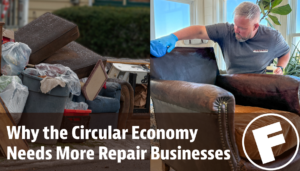
The circular economy is built around keeping products and materials in use for as long as possible. Rather than disposing of damaged or worn items, businesses and consumers focus on repair, reuse, refurbishment, and restoration.
This system reduces waste while minimizing the need for continuous manufacturing and raw material extraction. The circular economy also supports lower carbon emissions, better resource conservation, and improved operational efficiency.
A successful circular economy depends heavily on businesses that specialize in extending product lifespan. This is where the repair and restoration industry becomes essential.
Without repair professionals, many products with minor cosmetic or structural damage would end up discarded unnecessarily. Furniture is one of the clearest examples. Sofas, office chairs, restaurant booths, medical seating, marine cushions, RV interiors, and upholstered furniture often experience surface damage long before the overall structure becomes unusable.
Professional repair services help restore these items instead of sending them to landfills.
Why Repair Businesses Matter in Sustainable Operations
Repair companies contribute directly to sustainability by reducing waste and supporting responsible resource management.
Reducing Landfill Waste
Furniture disposal is a growing environmental concern worldwide. Large furniture items occupy significant landfill space, and many discarded pieces still contain usable materials and structural components.
Professional furniture restoration services help reduce unnecessary disposal by repairing damaged upholstery, leather, foam, vinyl, and seating surfaces. This approach supports long term sustainability while reducing environmental impact.
Businesses that provide waste reduction services are becoming increasingly valuable as organizations and consumers prioritize sustainability.
Lowering Manufacturing Demand
Manufacturing new furniture requires wood, metals, textiles, foam, plastics, adhesives, chemicals, and transportation resources. Every replacement purchase increases environmental strain across the supply chain.
Repair services reduce the need for new manufacturing by extending the life of existing furniture and interiors. This contributes directly to resource conservation and sustainability efforts.
Supporting Sustainable Business Goals
Many organizations now incorporate sustainability targets into their operations. ESG initiatives, waste reduction goals, and sustainable procurement policies have become important priorities across industries.
Commercial repair services support these goals by helping businesses maintain their spaces while reducing replacement purchasing and waste generation.
Professional commercial furniture repair allows organizations to maintain clean, functional, and professional interiors without constant replacement expenses.
The Growing Role of Sustainable Services
Consumers increasingly seek environmentally responsible companies and practical sustainability solutions. This demand has fueled rapid growth in sustainable services across multiple industries.
Repair based services now extend well beyond traditional furniture repair. Modern restoration specialists work with:
- Residential furniture
- Commercial seating
- Restaurant booths
- Hotel furniture
- Healthcare seating
- Automotive interiors
- Marine upholstery
- RV interiors
- Office furniture
- Retail seating
These industries rely heavily on ongoing furniture maintenance to preserve appearance, functionality, and customer experience.
Businesses also recognize the financial value of repair services. Replacing large volumes of furniture can become extremely expensive, especially for commercial facilities with high traffic environments.
Repair services provide cost effective alternatives that support both operational efficiency and sustainability.
Furniture Restoration Supports the Circular Economy
One of the strongest examples of circular economy principles in action is professional furniture restoration.
Many furniture pieces are designed with durable internal frames that can last for years or even decades. However, exterior materials like leather, fabric, vinyl, foam, and cushions naturally wear over time.
Instead of replacing entire furniture pieces, restoration professionals repair or restore the damaged areas while preserving the usable structure underneath.
This process directly supports furniture lifecycle extension and helps reduce landfill waste.
Residential Furniture Restoration
Homeowners frequently replace furniture due to cosmetic damage rather than structural failure. Torn upholstery, faded fabric, cracked leather, compressed cushions, and worn vinyl surfaces often make furniture appear unusable even when the frame remains solid.
Professional restoration specialists help homeowners restore furniture appearance and comfort while avoiding costly replacement purchases.
Many homeowners also choose restoration services to preserve sentimental or high quality furniture pieces that are difficult to replace.
Commercial Furniture Repair Solutions
Commercial environments experience constant wear from daily usage. Restaurants, healthcare facilities, hotels, offices, airports, and retail spaces all rely on seating and furniture to maintain professional environments.
Damaged or worn furniture can negatively impact customer experience and overall brand perception.
Routine commercial furniture repair helps businesses maintain polished interiors while supporting sustainability goals and reducing long term operational costs.
Many companies now include restoration programs as part of their long term sustainable business solutions strategy.
Upholstery Repair and Sustainable Furniture Care
Professional upholstery repair plays a major role in the expanding reuse industry because upholstery materials are often the first visible signs of furniture deterioration.
Common upholstery issues include:
- Tears and punctures
- Burn marks
- Loose seams
- Cracked vinyl
- Worn fabric
- Cushion collapse
- Foam deterioration
- Surface fading
- Pet damage
Repair specialists restore these materials using advanced restoration techniques that preserve furniture usability and appearance.
Modern upholstery restoration services can often address damage without requiring complete reupholstery or full furniture replacement.
This approach supports sustainable furniture care by minimizing waste while maximizing product lifespan.
Consumers increasingly recognize that maintaining furniture through repair services is often more practical and environmentally responsible than purchasing entirely new pieces.
Leather Repair Services and Product Longevity
Leather furniture and interiors require specialized restoration expertise. Cracking, peeling, fading, scratches, and discoloration are common issues caused by age, sunlight, friction, and daily use.
Professional leather repair services help restore damaged leather surfaces while preserving the original furniture structure.
Leather restoration specialists use advanced techniques such as:
- Color matching
- Surface refinishing
- Crack repair
- Leather conditioning
- Texture restoration
- Protective coatings
These services help extend the lifespan of leather furniture while reducing replacement waste.
Repairing leather instead of replacing furniture supports sustainability while preserving product quality and comfort.
Why Repair Over Replacement Matters
The concept of repair over replacement is becoming increasingly important for both environmental and financial reasons.
Cost Savings
Furniture replacement costs continue rising due to inflation, manufacturing expenses, and shipping costs. Repair services often provide substantial savings compared to full furniture replacement.
Commercial facilities especially benefit from ongoing repair and maintenance programs.
Faster Solutions
Replacing furniture can involve long ordering timelines, shipping delays, and installation scheduling. Repair services often offer much faster turnaround times that minimize disruption.
Environmental Responsibility
Consumers and businesses increasingly understand the environmental impact of excessive consumption and waste generation.
Choosing repair services instead of replacement helps reduce landfill waste while conserving natural resources.
Preserving High Quality Furniture
Older furniture pieces are often built using durable materials and construction methods that exceed many lower cost modern alternatives.
Repairing these items helps preserve quality craftsmanship while restoring appearance and functionality.
Eco-Friendly Furniture Repair Is Becoming Mainstream
As sustainability awareness grows, eco-friendly furniture repair is becoming a preferred alternative to disposal.
Consumers now understand that sustainability is not only about recycling. Extending product lifespan through restoration is equally important.
Repair professionals help support eco-friendly practices by:
- Reducing landfill contributions
- Extending furniture usability
- Conserving raw materials
- Lowering manufacturing demand
- Supporting long term resource efficiency
The increasing demand for environmentally conscious services continues driving growth across the repair and restoration sector.
How Furniture Repair Specialists Support Local Economies
Local repair companies contribute significantly to regional economies.
Unlike large manufacturing operations, repair businesses often rely on skilled craftsmanship and community based service models. These businesses create local employment opportunities while supporting specialized trades and technical expertise.
Professional furniture repair specialists also help keep consumer spending within local communities rather than relying solely on imported replacement products.
As the circular economy expands, repair businesses will continue playing an important role in both sustainability and economic resilience.
Technology Is Improving the Repair and Restoration Industry
Modern restoration techniques have improved significantly over the years. Today’s repair professionals use advanced tools and materials that produce highly effective restoration results.
Innovations include:
- Precision color matching systems
- Durable repair compounds
- Advanced leather refinishing methods
- High performance upholstery materials
- Eco conscious cleaning products
- Mobile restoration services
These advancements allow repair businesses to deliver professional quality results while supporting sustainability initiatives.
Technology also helps increase efficiency across the broader repair and restoration industry, making repair services more accessible to residential and commercial customers alike.
Businesses Are Investing More in Sustainable Furniture Care
Organizations increasingly understand that proactive maintenance extends furniture lifespan while reducing long term costs.
Routine sustainable furniture care programs help businesses:
- Maintain professional appearance
- Protect furniture investments
- Reduce replacement frequency
- Improve operational efficiency
- Support sustainability goals
- Minimize waste generation
Hotels, healthcare facilities, restaurants, and office spaces often benefit from scheduled maintenance and repair programs that preserve seating and upholstery condition over time.
This preventive approach aligns closely with modern circular economy principles.
The Future of the Repair Economy
The future of the repair economy looks increasingly strong as sustainability expectations continue growing across industries.
Several factors are driving this growth:
Increased Sustainability Awareness
Consumers are becoming more environmentally conscious and actively seeking businesses that prioritize sustainability.
Higher Material Costs
As manufacturing and material costs rise, repair services become even more cost effective compared to replacement purchasing.
ESG and Corporate Responsibility
Organizations are investing more heavily in sustainability reporting, waste reduction strategies, and environmentally responsible operations.
Expansion of Circular Business Models
More companies are adopting the circular business model by emphasizing maintenance, restoration, reuse, and product longevity.
Consumer Preference for Sustainable Solutions
Modern consumers increasingly value companies that provide environmentally responsible alternatives to unnecessary replacement.
These trends position repair businesses as essential contributors to future sustainability efforts.
Why the Circular Economy Depends on Repair Businesses
The circular economy cannot succeed without businesses that specialize in extending product lifespan.
Repair companies help consumers and organizations reduce waste, conserve resources, lower costs, and maintain high quality products through restoration and maintenance services.
From upholstery restoration and leather repair services to commercial furniture repair and complete furniture restoration services, repair professionals provide practical sustainability solutions that support long term environmental responsibility.
As industries continue shifting toward sustainable operations, repair businesses will become even more valuable within the growing circular economy.
Restore Furniture Instead of Replacing It
Damaged furniture does not always need to be discarded. Professional repair and restoration services can help extend the life of residential, commercial, marine, automotive, and RV interiors while supporting sustainability goals and reducing unnecessary waste.
Whether you need upholstery restoration, leather repair, vinyl repair, cushion replacement, or ongoing furniture maintenance, experienced restoration professionals can help restore comfort, appearance, and functionality without the expense of full replacement.
Businesses and homeowners looking for reliable, eco conscious restoration solutions can benefit from repair services that support sustainability while protecting long term investments. Contact trusted furniture restoration specialists today to explore practical repair solutions that keep your furniture looking its best while supporting the circular economy.
Frequently Asked Questions
Q: What is circular economy repair?
A: Circular economy repair refers to repair and restoration services that extend product lifespan instead of replacing items unnecessarily. It supports sustainability and waste reduction.
Q: How does the repair economy help sustainability?
A: The repair economy reduces landfill waste, lowers manufacturing demand, conserves raw materials, and supports environmentally responsible consumption habits.
Q: Why is furniture restoration important?
A: Furniture restoration helps preserve usable furniture while reducing replacement waste and supporting furniture lifecycle extension.
Q: What industries use commercial furniture repair services?
A: Hotels, healthcare facilities, restaurants, offices, retail stores, marine businesses, and automotive industries commonly use commercial furniture repair services.
Q: How does upholstery repair support sustainable furniture care?
A: Upholstery repair restores damaged seating surfaces while helping consumers avoid unnecessary furniture disposal and replacement.
Q: Are leather repair services environmentally friendly?
A: Yes. Leather repair services help extend furniture lifespan, reduce landfill waste, and minimize the environmental impact of manufacturing replacement furniture.
Q: Why are sustainable services growing in popularity?
A: Consumers and businesses increasingly prioritize sustainability, waste reduction, and environmentally responsible business practices.
Q: What is the benefit of repair over replacement?
A: Repair over replacement helps save money, reduce waste, conserve resources, and extend the usability of furniture and interior products.