
Bulk Office Chair Repair: A Cost-Effective Strategy for Growing Businesses
Scaling a business is an exciting journey filled with new opportunities, increased revenue potential, and a rapidly expanding team. However, this growth brings a unique set of logistical and financial challenges. As you hire more employees, your need for functional and comfortable workspace equipment multiplies. Office furniture, particularly seating, represents a significant capital expenditure. When chairs begin to show signs of wear and tear, the immediate reflex for many facility managers is to throw them away and purchase brand-new replacements. This approach drains operational budgets and creates unnecessary waste. Implementing a bulk office chair repair program offers a much more strategic, economical, and sustainable alternative. By focusing on restoration rather than replacement, growing companies can allocate their hard-earned capital toward core business activities while maintaining a pristine environment for their staff.
The Financial Reality of Workspace Expansion
When a company experiences rapid growth, the focus naturally shifts to customer acquisition, product development, and talent retention. Facility management often becomes an afterthought until a problem arises. Equipping a single workstation can cost hundreds or even thousands of dollars. When you multiply that expense across dozens or hundreds of employees, the financial burden becomes immense. Furthermore, office furniture in commercial environments is exposed to a tremendous amount of daily abuse. Everyday use can quickly deteriorate the overall appearance and usability of your seating assets. The replacement of furniture in an office setting is rarely the most cost-effective option. It requires a massive upfront investment, complicated procurement processes, and logistical headaches regarding delivery and assembly. By contrast, prioritizing business furniture repair preserves your initial investment and significantly extends the lifespan of your assets.
Defining the Scope of Bulk Office Chair Repair
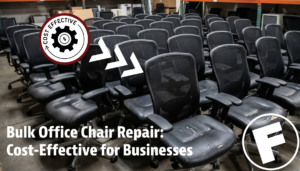
Large-scale maintenance is a systematic approach to evaluating, diagnosing, and fixing massive volumes of seating within a corporate environment. It goes far beyond simply tightening a few loose screws. A professional office seating repair service addresses a comprehensive range of issues. This includes mechanical failures like sinking pneumatic cylinders, jammed casters, and broken tilt mechanisms. It also involves cosmetic and structural restoration, such as repairing torn upholstery, fixing cracked armrests, and reconditioning worn surfaces. When you engage a vendor for a large-scale furniture repair project, you are effectively resetting the clock on your workplace seating. Technicians can process dozens of chairs in a single day, ensuring uniformity and consistent quality across your entire office space. This systematic approach transforms a chaotic, piecemeal maintenance task into a streamlined, highly efficient operational strategy.
The Hidden Costs of Continual Furniture Replacement
Purchasing new office chairs might seem like the path of least resistance, but it comes with numerous hidden costs that can negatively impact your bottom line. Beyond the sticker price of the new furniture, companies must account for the cost of shipping, handling, and installation. Additionally, there is the expense associated with disposing of the old chairs. Commercial waste removal fees can be substantial, especially for bulky items like office furniture. Furthermore, the procurement process itself requires valuable time and resources from your purchasing and facility management teams. Replacing chairs also leads to workplace disruptions. Removing old furniture and installing new pieces often creates noise, clutter, and distractions for your employees. Choosing to repair mitigates these hidden costs. Repairs can often be completed on-site with minimal disruption, allowing your team to remain focused on their daily tasks.
Core Advantages of an Office Seating Repair Service
Engaging a specialized repair team offers profound advantages for growing enterprises. The most immediate benefit is the preservation of capital. Repairing a high-quality seat typically costs a fraction of what it would cost to purchase a comparable replacement. This localized savings scales exponentially when applied to a large corporate initiative. Secondly, specialized commercial chair restoration provides a significantly faster turnaround time than ordering new inventory from factory catalogs. Supply chain delays and manufacturing backlogs can leave your employees sitting in broken, uncomfortable chairs for weeks or months. Local repair services can often assess and resolve issues within a matter of days. This rapid response ensures that your workplace remains fully operational and that your employees are adequately supported. Moreover, repairing existing assets ensures visual consistency across your office landscape. Trying to match new chairs to older models often results in a mismatched, unprofessional aesthetic.
Comprehensive Commercial Chair Restoration
A thorough restoration project breathes new life into aging office furniture. Over time, chairs accumulate dirt, stains, and structural fatigue. A dedicated commercial chair restoration program tackles these problems holistically. Technicians begin with a detailed audit of your seating inventory. They identify which chairs require mechanical fixes, which need cosmetic attention, and which are beyond repair. This triage process ensures that your repair budget is utilized efficiently. The restoration process often includes deep cleaning, lubrication of moving parts, and the replacement of high-wear components. By addressing both the functional and aesthetic aspects of the chair, restoration professionals can elevate the overall look and feel of your workplace. This attention to detail reflects positively on your company culture, demonstrating to both employees and visiting clients that you value quality and a well-maintained environment.
Specialized Care for Leather, Vinyl, and Plastic Surfaces
Executive chairs, boardroom seating, and waiting area furniture often utilize premium materials like leather, high-grade vinyl, and specialized plastics. These materials require specific expertise to repair properly. In hospitality and commercial markets, these surfaces face relentless daily use. Scuffs, scratches, punctures, and fading are common issues that degrade the professional appearance of your workspace. However, targeted restoration offers a much more economical alternative and a faster turnaround than traditional upholsterers. Expert technicians utilize advanced color-matching technology, specialized adhesives, and durable coatings to seamlessly repair damage to leather and vinyl. They can eliminate unsightly cracks in plastic armrests and base covers without replacing the entire unit. By focusing on these specific material restorations, businesses can salvage high-value seating that would otherwise be destined for the landfill. This specialized care maintains the premium aesthetic of your executive spaces without the premium price tag of a total replacement.
Addressing Mechanical Failures in Business Furniture
The most common complaints regarding office seating relate to mechanical failures. A chair that sinks throughout the day or refuses to roll smoothly is highly frustrating for the user. A dedicated ergonomic chair repair process specifically targets these functional pain points, returning specialized lumber and tilt features to factory specifications. The pneumatic cylinder, which controls the height adjustment, is the most frequent point of failure. Replacing this cylinder is a straightforward process for a trained technician and instantly restores the core functionality of the chair. Similarly, casters and wheels accumulate hair, dust, and debris over time, leading to restricted movement. Replacing standard casters with specialized wheels designed for your specific flooring type improves mobility and prevents damage to your office carpets or hard floors. By addressing these mechanical issues proactively, you ensure that every chair in your office functions exactly as intended.
Large-Scale Furniture Repair as a Sustainable Initiative
In today’s corporate landscape, environmental sustainability is no longer an optional initiative. It is a core responsibility. Millions of tons of office furniture are discarded globally every year, taking up vast amounts of space in landfills and contributing to environmental degradation. Investing in commercial furniture maintenance directly combats this throwaway culture. By extending the lifecycle of your existing assets, you drastically reduce your company’s carbon footprint and solid waste output. This commitment to sustainability resonates strongly with environmentally conscious employees, clients, and investors. Promoting your bulk repair initiatives can even enhance your corporate social responsibility profile. When you choose to repair rather than replace, you are making a tangible, positive impact on the environment while simultaneously protecting your financial resources.
The Direct Link Between Ergonomics and Employee Output
Employee comfort is intrinsically linked to productivity and overall job satisfaction. Office workers spend a significant portion of their day seated. If their chairs are broken, misaligned, or lacking proper support, it leads to physical discomfort, muscle fatigue, and even chronic pain. These physical ailments distract employees from their work, reduce their focus, and can lead to increased absenteeism. When a chair’s tilt mechanism is broken or its lumbar support is compromised, the posture benefits are entirely negated. Enlisting an expert for ergonomic chair repair is therefore a direct investment in the health and productivity of your workforce. By ensuring that every chair functions correctly and provides the necessary ergonomic support, you empower your team to work comfortably and efficiently. A well-supported employee is a productive employee.
Implementing Proactive Workplace Seating Maintenance
The most effective way to manage office furniture is through proactive workplace seating maintenance rather than reactive emergency repairs. Waiting for a chair to completely fail before addressing the issue causes frustration and downtime. Implementing a scheduled maintenance program prevents minor issues from escalating into major problems. This involves regular inspections of all office seating to identify early signs of wear, such as loose screws, stiff mechanisms, or fraying fabric. By catching these issues early, technicians can perform quick, inexpensive adjustments that prolong the life of the chair. Proactive maintenance also allows facility managers to budget effectively for repairs throughout the fiscal year, avoiding sudden, unexpected capital expenditures. It creates a predictable, manageable system for asset preservation.
The Strategic Value of Ongoing Service Agreements
For growing businesses with large volumes of seating, managing repairs on an ad hoc basis becomes inefficient and chaotic. Many professional restoration companies offer ongoing service agreements. These contracts provide a structured, reliable framework for executing your commercial furniture maintenance schedules. Looking for a service contract that fits your specific operational needs is a highly strategic move. Ongoing service agreements typically include scheduled maintenance visits, discounted repair rates, and priority response times for urgent issues. Having a dedicated repair partner on retainer eliminates the need to source a new vendor every time a chair breaks. It streamlines the invoicing process and ensures that your facility is consistently maintained to the highest standards. This partnership approach allows your facility management team to focus on strategic planning rather than reacting to minor furniture complaints.
How to Identify When Your Seating Fleet Needs Attention
Recognizing the warning signs of failing office furniture is crucial for timely intervention. Facility managers should encourage employees to report issues immediately, but regular visual audits are also necessary. Look for obvious signs of damage such as torn upholstery, exposed foam, or deeply scratched plastics. Pay close attention to the posture of your employees. If you notice staff frequently adjusting their chairs, slumping, or using makeshift cushions, it is a strong indicator that the seating is no longer providing adequate support. Listen for excessive squeaking or grinding noises when chairs are moved or adjusted. These auditory cues often signal failing mechanical components. By training your team to spot these early warning signs, you can initiate a bulk office chair repair request before the damage becomes irreversible.
Selecting the Right Partner for Corporate Furniture Restoration
The success of your bulk repair initiative depends entirely on the expertise of your chosen service provider. When selecting a partner for corporate asset restoration, it is essential to look for companies with a proven track record in commercial environments. Residential upholsterers or general handymen often lack the specific knowledge, tools, and replacement parts required for high-end ergonomic office chairs. Seek out providers who specialize in comprehensive commercial service and possess the capacity to handle large-scale projects efficiently. Inquire about their process for sourcing replacement parts, their warranty policies on repairs, and their ability to perform work on-site to minimize disruption. A reputable partner will conduct a thorough initial assessment and provide a detailed, transparent quote before any work begins.
Understanding the Repair and Restoration Workflow
A professional bulk repair project follows a distinct, organized workflow. The process typically begins with a comprehensive site visit where technicians evaluate every chair in your facility. They tag each item, noting the specific repairs required. Following this assessment, you will receive an itemized proposal detailing the cost and scope of the work. Once approved, the execution phase begins. Depending on the volume and nature of the repairs, the team may set up a temporary workstation within your facility or transport the chairs to their own shop. The technicians will systematically disassemble the affected chairs, replace faulty components, restore damaged surfaces, and reassemble the units. The final step is a rigorous quality control check to ensure that every repaired chair meets the original manufacturer’s standards for safety and functionality.
Maximizing the Lifespan of Your Corporate Assets
The ultimate goal of regular workplace seating maintenance is to maximize the return on your initial investment. Office chairs are valuable assets that should provide years of reliable service. By moving away from a disposable mindset and embracing a culture of repair, businesses can significantly extend the functional lifespan of their furniture. This requires a shift in perspective, viewing furniture maintenance not as an annoying expense, but as a strategic imperative. Documenting repair histories, tracking the lifespan of different chair models, and standardizing your seating inventory all contribute to a highly optimized asset management strategy. Growing businesses that master this aspect of facility management enjoy lower operational costs, a more sustainable footprint, and a more comfortable, productive workforce.
Future-Proofing Your Expanding Business Environment
As your company continues to grow, your facility management strategies must scale accordingly. Establishing a reliable protocol for large-scale maintenance today sets the foundation for efficient operations tomorrow. It establishes a standard of care for your physical environment and demonstrates a commitment to resource efficiency. When you open new branches or expand into larger office spaces, you will already possess the knowledge, vendor relationships, and processes necessary to manage your physical assets effectively. This foresight prevents the compounding costs of furniture neglect from hindering your financial growth. By prioritizing repair, restoration, and proactive upkeep, you ensure that your workspace remains a supportive, professional, and economically viable environment for your entire team.
If you are ready to stop wasting valuable capital on unnecessary furniture replacements, it is time to evaluate your current inventory. A comprehensive assessment of your workplace seating can reveal immediate opportunities for significant savings and improved employee comfort. Consider reaching out to a specialized commercial repair professional today to discuss how a customized maintenance program can support your business growth, protect your bottom line, and elevate your office environment.
Frequently Asked Questions
Q: What is the average cost savings of repairing an office chair versus buying a new one?
A: Repairing an office chair typically costs between ten and thirty percent of the price of a brand-new equivalent model. For high-end ergonomic chairs, the financial savings are incredibly substantial, allowing companies to reallocate thousands of dollars back into their operational budgets.
Q: How long does a bulk office chair repair project usually take?
A: The timeline depends heavily on the volume of chairs and the specific types of repairs required. Minor mechanical fixes like cylinder replacements can be done in minutes per chair. Larger bulk projects involving extensive upholstery and restoration might take a few days, but professional services work efficiently to minimize any workflow disruption.
Q: Can torn leather or vinyl office chairs actually be fully restored?
A: Yes, professional technicians use advanced techniques to seamlessly patch, color match, and recondition torn or cracked leather and vinyl. This restoration process effectively eliminates the visual damage and restores the protective topcoat, making the surface look and function like new.
Q: Is it possible for repair technicians to fix our office chairs on-site?
A: Many commercial furniture repair services operate mobile units and can perform the majority of mechanical repairs and cosmetic restorations directly at your office. This on-site capability drastically reduces downtime and eliminates the logistical hassle of transporting bulky furniture.
Q: What specific parts of an office chair break the most frequently?
A: The most common points of failure include the pneumatic gas cylinder causing the chair to sink, broken or jammed casters restricting rolling, and cracked armrest pads. Professional repair services carry specialized replacement parts to address all of these common mechanical and structural failures.
Q: Why should a company consider an ongoing seating maintenance agreement?
A: An ongoing agreement shifts your strategy from reactive crisis management to proactive asset protection. It ensures regular inspections, early identification of wear, discounted service rates, and consistent ergonomic support for employees, ultimately extending the lifespan of your entire furniture fleet.