How Professional Upholstery Repair Extends the Life of Your Furniture
Furniture is more than just a place to sit. It holds memories, anchors your living space, and represents a significant financial investment. Whether it is a vintage leather armchair passed down through generations or a favorite sectional that has survived years of family movie nights, furniture wears down over time. Daily use, sunlight exposure, accidental spills, and pet claws gradually take their toll, leaving fabric torn, leather cracked, and cushions sagging.
When a beloved piece starts showing its age, the immediate reaction is often to throw it out and shop for something new. Buying new furniture might seem like the quickest fix, but it frequently leads to lower-quality materials, high costs, and unnecessary environmental waste.
Opting for a professional upholstery service offers a smarter, more sustainable path forward. Restoring your furniture brings worn pieces back to life while preserving structural integrity and saving money. Modern techniques allow experts to fix tears, restore faded colors, replace degraded foam, and reinforce frames so your furniture stays comfortable and stylish for decades.
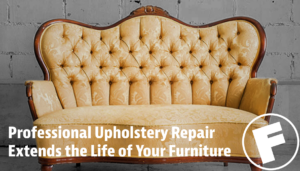
The Hidden Value of Restoring vs. Replacing Furniture
The modern furniture market is flooded with mass-produced items designed for short lifecycle utility. Many new couches and chairs feature engineered woods, plastic components, and low-density foam that break down within a few years. Older furniture, by contrast, was built with hardwood frames, robust springs, and high-quality joinery that can endure for generations.
Choosing restoration over replacement lets you leverage the superior craftsmanship of your existing pieces.
- Superior Frame Construction: Older furniture frames are typically made from kiln-dried hardwood rather than particle board or medium-density fiberboard. These sturdy structures provide a solid foundation that easily outlasts modern fast-furniture options.
- Cost Efficiency: Premium furniture is expensive. Restoring a high-quality existing piece typically costs a fraction of buying a new piece of comparable build quality.
- Environmental Sustainability: Millions of tons of furniture end up in landfills every year. Choosing local care keeps durable materials out of the waste stream and reduces the demand for new manufacturing resources.
- Preserving Sentimental Value: Heirlooms and custom-designed pieces carry history that cannot be bought off a showroom floor. Professional repair retains those personal connections while eliminating visual and functional wear.
7 Ways Professional Upholstery Repair Maximizes Furniture Longevity
Restoration involves far more than slapping a patch over a hole or tossing a throw blanket over a stain. Specialized restoration technicians combine traditional craftsmanship with advanced material science to fix deep structural issues and refresh surface appearances.
1. Advanced Surface Repair and Leather Restoration
Leather and vinyl furniture pieces are exceptionally durable, but they require specialized care when damaged. Unlike woven fabrics, leather can crack, peel, and fade due to body oils, dry air, and ultraviolet light exposure.
Specialists in leather restoration fix these issues without requiring complete replacement. Using precise color-matching formulas and specialized graining techniques, technicians seamlessly fill cuts, repair tears, and re-pigment faded areas. This process seals the material against further environmental damage, preventing small surface cracks from turning into large structural tears.
2. High-Density Foam Replacement and Cushion Rejuvenation
One of the most common signs of aging furniture is sagging cushions. Over time, polyurethane foam breaks down, loses its resilience, and leaves you sitting directly on the internal frame or springs. Sagging seats compromise comfort and place uneven stress on seams and joints.
A comprehensive furniture repair process includes assessing and replacing internal padding. Experts replace flattened or deteriorating padding with high-density, resilient foam wrapped in smooth protective layers. This restores proper support, eliminates awkward sagging, and relieves tension on outer seat fabrics.
3. Structural Frame and Spring Reinforcement
A beautiful exterior means very little if the underlying frame is compromised. Snapped webbings, broken serpentine springs, or loose corner blocks cause severe sagging and instability.
When you reach out to an established upholstery shop near me, technicians inspect the entire internal structure. They reinforce weak wood joints, replace broken steel springs, re-string loose webbing, and secure loose fasteners. Fixing these internal mechanics prevents structural collapse and ensures weight distributes evenly across the entire frame.
4. Precision Stitching and Seam Repair
Seams endure constant tension whenever someone sits down or moves on a furniture piece. High-stress areas around armrests, seat cushions, and back panels often experience unraveling threads or pulled seams.
Ignoring a loose thread allows the surrounding material to fray, turning a minor stitching issue into an expensive panel replacement. Restoration specialists use industrial-grade, UV-resistant threads and specialized blind-stitching methods to reinforce pulled seams and mend torn fabric panels securely.
5. Protective Sealants and Stain Defense Treatment
Prevention plays a huge role in extending furniture lifespan. After completing physical repairs and surface cleaning, professionals apply specialized protective coatings tailored to your specific material.
- Leather Conditioners: Replenish essential oils to keep hide supple and prevent future cracking.
- Fabric Protectors: Create an invisible barrier that repels liquid spills, prevents oil-based stains from setting, and reduces dirt buildup.
- UV Blockers: Guard against sun bleaching, keeping dark fabrics and dyed leathers vibrant even in brightly lit rooms.
6. Odor Elimination and Deep Decontamination
Occasional spills, pet accidents, smoke, and moisture can trap lingering odors deep inside cushion cores and wooden framing. Surface cleaners only mask these issues temporarily.
Comprehensive upholstery restoration includes deep cleaning techniques and specialized deodorizing treatments that break down organic odor molecules at the structural level. Eliminating trapped moisture and bacteria protects the internal filling from premature deterioration and keeps your living area fresh and healthy.
7. Custom Material Upgrades with Couch Reupholstery
Sometimes, the original fabric is simply too worn or outdated to save. Investing in full couch reupholstery allows you to upgrade to modern, high-performance materials designed for heavy daily use.
Restoration specialists help you choose commercial-grade fabrics, pet-friendly textiles, or stain-resistant leather options that match your lifestyle needs. Choosing higher-grade materials during a full rebuild guarantees your furniture withstands years of heavy household use.
Key Signs Your Furniture Needs Immediate Repair
Catching damage early prevents minor wear from escalating into irreversible structural failure. If you notice any of the following signs, it is time to seek expert intervention:
| Damage Indicator | Common Cause | Recommended Repair Solution |
| Cracking or Peeling Leather | Dry air, UV exposure, lack of conditioning | Leather conditioning, color matching, surface filling |
| Deep Cushion Sagging | Foam degradation, broken springs | High-density foam replacement, spring re-lacing |
| Frayed Seams & Separations | Thread wear, high tension | Industrial seam re-stitching, backing reinforcement |
| Faded or Discolored Spots | Sunlight, harsh household chemical cleaners | Re-pigmentation, color matching, protective sealing |
| Frame Creaking or Wobbling | Loose joinery, broken corner blocks | Wood frame re-gluing, structural reinforcement |
Comparing Furniture Maintenance Options
Deciding how to address damaged furniture depends on the severity of the issue, the value of the piece, and your technical skill level. While minor stains can be addressed at home, significant material wear requires expert equipment and specialized training.
DIY Repairs
- Best for: Minor fabric cleaning, superficial leather conditioning, applying slipcovers.
- Limitations: High risk of color mismatching, ineffective on structural frame damage, temporary cosmetic fixes that fail under pressure.
- Cost: Low upfront cost, but risks permanent material damage if done incorrectly.
General Handyman Services
- Best for: Basic wood tightening or simple hardware replacements.
- Limitations: Lack specialized grain-matching techniques, high-grade leather dyes, and proper cushion re-foaming tools.
- Cost: Moderate, but results may lack refined aesthetic finishes.
Professional Upholstery Shops
- Best for: Complete leather restoration, frame repairs, re-foaming, custom re-stitching, and high-end material matching.
- Benefits: Delivers seamless cosmetic blending, structural integrity guarantees, and extended material longevity.
- Cost: Higher initial investment than DIY, but provides long-term value by eliminating the need for replacement.
How Specialized Technicians Restore Leather and Fabric
Restoring furniture requires a deep understanding of material properties. Leather, vinyl, velour, and woven textiles each respond differently to stress, heat, dyes, and adhesives.
The Leather Restoration Process
- Thorough Cleaning and Preparation: Technicians clear away surface oils, dirt, and previous wax treatments using non-abrasive, pH-balanced leather cleaners.
- Sub-Surface Damage Repair: For deep cuts or punctures, a flexible backing patch is inserted beneath the leather surface to reinforce the structure.
- Compound Filling and Grain Matching: Specialized heat-cured or air-dry compounds fill surface cracks. Technicians mimic the natural grain pattern of your specific hide to ensure an invisible repair.
- Custom Color Matching: Technicians mix pigments manually to match the exact tone, sheen, and depth of your leather furniture piece.
- Clear Coat Sealing: A protective topcoat is sprayed over the repaired area to lock in the color and shield against everyday friction.
The Fabric and Microfiber Repair Process
- Inspection and Structural Stabilization: The piece is inverted to check springs, webbings, and frame joints before addressing surface fabric.
- Precision Weave Mending: Tears in woven materials are secured using specialized backing fabrics and micro-stitching techniques that prevent further unraveling.
- Cushion Re-Core: Worn interior foam is replaced with custom-cut, high-resilience foam wrapped in protective fiber layers.
- Stain Extraction and Fiber Protection: Deep extraction removes settled grime before applying a stain-repellent finish across the fabric surface.
Extend the Life of Your Upholstery with Proper Daily Care
Once your furniture is professionally restored, taking a few proactive maintenance steps at home will keep it looking pristine for years to come.
- Rotate Cushions Regularly: Flip and swap seat cushions every few weeks to distribute wear, weight, and friction evenly.
- Keep Out of Direct Sunlight: Position leather and dyed fabric pieces away from direct windows, or use window treatments to block damaging UV rays.
- Vacuum Fabrics Weekly: Dust and grit act like fine sandpaper, grinding down textile fibers every time someone sits down. Vacuuming removes these abrasive particles.
- Clean Spills Immediately: Blot liquids gently with a clean microfiber cloth. Never rub or scrub stains aggressively, as this forces moisture deeper into the cushion core and spreads the mark.
- Moisturize Leather Periodically: Apply a high-quality leather conditioner every 6 to 12 months to preserve natural flexibility and prevent dry surface cracking.
Environmental Impact: Why Furniture Restoration Matters
Throwaway culture takes a heavy toll on natural resources. Mass-manufactured furniture relies on rapid timber harvesting, resource-intensive synthetic textile production, and complex global shipping networks.
When you invest in expert repair, you take a direct stand against waste:
- Landfill Diversion: Restoring a single sofa keeps up to 150 pounds of mixed materials out of local waste management sites.
- Lower Carbon Footprint: On-site or local repair services eliminate the shipping emissions associated with manufacturing and importing new items.
- Resource Conservation: Repairing existing frames saves healthy timber and reduces the processing required to create modern synthetic materials.
Preserving quality craftsmanship reduces environmental stress while keeping durable, comfortable furniture right where it belongs: inside your home.
When your favorite furniture starts to show signs of age, wear, or structural damage, replacement is not your only option. Choosing an experienced professional to handle your furniture restoration needs restores comfort, preserves structural integrity, and elevates your entire living room layout. Protect your investment and give your beloved furniture pieces the second life they deserve.
To explore specialized mobile leather, vinyl, and fabric restoration services tailored to your home or office, contact your local Fibrenew specialist today to request a custom repair estimate.
Frequently Asked Questions
Q: How much does professional upholstery repair usually cost compared to buying new furniture?
A: Repairing or restoring furniture typically costs between 20% and 50% of the price of purchasing a brand-new piece of equal quality. Because older frames are generally stronger than modern fast-furniture options, investing in restoration delivers significantly higher overall value and structural longevity.
Q: Can leather furniture with deep tears or pet damage be fully restored?
A: Yes. Skilled technicians use specialized sub-surface reinforcement patches, flexible filler compounds, and custom color-matching dyes to repair deep punctures, gouges, and pet scratches. Once restored, the repaired area blends seamlessly with the surrounding leather and regains its structural strength.
Q: How long does a typical furniture upholstery repair take to complete?
A: Minor surface fixes, leather color touch-ups, and cushion replacements can often be completed in just a few hours through on-site mobile restoration services. Larger projects involving complete fabric reupholstery or extensive frame repairs usually take between one and two weeks depending on material availability.
Q: Is it worth repairing a couch with sagging cushions and a creaking frame?
A: Absolutely. Sagging cushions and creaking frames are usually caused by worn-out foam, broken springs, or loose joint blocks all of which can be fully replaced or reinforced. Restoring the internal structure brings back original comfort and stability without the high cost of buying new furniture.