
The Ultimate Guide to Boat Seat Repair: Restoring Comfort and Value to Your Vessel
What is boat seat repair? Boat seat repair is the process of restoring damaged marine upholstery such as vinyl, leather, and hard plastics by fixing tears, cracks, UV fading, and mold stains. Choosing to repair rather than replace boat seats is a highly cost-effective and environmentally friendly way to extend the life of your marine interior, maintain your vessel’s resale value, and ensure comfort on the water.
If you are a boat owner, you already know the unparalleled joy of hitting the open water, feeling the sea breeze, and soaking in the sun. However, the exact elements that make boating so enjoyable sun, wind, and water are incredibly harsh on your boat’s interior. Over time, marine upholstery takes a massive beating, leading to unsightly cracks, stubborn mold, split seams, and severe color fading.
When you notice this damage, your first instinct might be to order brand-new seats. But wait! Boat seat repair is often the smarter, more affordable, and faster solution. In this comprehensive guide, we will dive deep into the world of marine upholstery restoration. We will cover the common culprits of seat damage, weigh the pros and cons of repairing versus replacing, and explore why trusting professional repair and restoration experts can bring your boat’s interior back to showroom quality.
Why Timely Boat Seat Repair is Crucial for Marine Enthusiasts
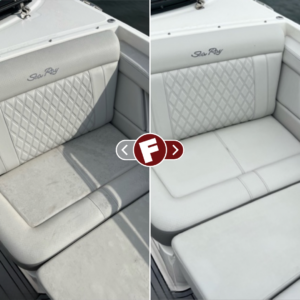
A torn or faded boat seat might seem like a minor cosmetic issue, but ignoring it can lead to much larger, more expensive problems down the line. Timely boat seat repair is not just about making your boat look pretty; it is about preserving the integrity of your vessel.
Protecting the Foam Core
Marine seats are constructed with high-density foam cores covered by marine-grade vinyl or leather. When a tear or crack forms on the surface, it creates an entry point for water. Once water penetrates the foam core, it acts like a sponge. This trapped moisture breeds mold and mildew from the inside out, eventually causing the foam to rot and lose its structural integrity. A simple, inexpensive surface repair can quickly escalate into the need for a total seat rebuild if left unaddressed.
Maintaining Resale Value
Whether you plan to keep your boat forever or upgrade in a few years, resale value matters. When potential buyers step onto a boat, the condition of the upholstery is one of the first things they notice. Cracked, faded, or moldy seats instantly signal neglect and will dramatically drive down the asking price. A pristine interior suggests that the mechanical components of the boat have likely been well-cared for, too.
Enhancing Comfort and Safety
Hard, cracked vinyl is uncomfortable to sit on in a bathing suit, and exposed foam can snag clothing or fishing gear. In extreme cases, compromised seating can even be a safety hazard in rough waters. By investing in boat seat repair, you ensure a comfortable, safe, and enjoyable ride for you and your guests.
The Top 4 Causes of Marine Upholstery Damage
To effectively repair and protect your boat seats, it is vital to understand the elements that are attacking them daily. Marine environments are uniquely harsh, and marine vinyl and leather require specific care to survive.
A. Ultraviolet (UV) Radiation
The sun is the undisputed number one enemy of marine upholstery. Continuous exposure to intense UV rays breaks down the plasticizers inside marine vinyl. Plasticizers are the chemical components that keep the vinyl soft, pliable, and flexible. As the sun bakes these chemicals out, the vinyl becomes dry, brittle, and prone to severe cracking. UV rays also cause significant color fading, turning vibrant reds, blues, and crisp whites into dull, chalky versions of their former selves.
B. Saltwater and Mineral Deposits
If you boat in the ocean, saltwater is a constant threat. Salt is inherently abrasive and naturally draws out moisture. When saltwater splashes onto boat seats and is left to dry in the sun, it leaves behind microscopic salt crystals. These crystals act like tiny shards of glass that slowly abrade the vinyl surface every time someone sits down.
C. Mold and Mildew Growth
Boats live in damp environments. Even if you cover your boat, temperature fluctuations can cause condensation to build up under the canvas. Mold and mildew thrive in dark, warm, and moist environments. They do not just stain the surface of your seats with ugly black, pink, or green spots; extreme mildew can actually eat away at the vinyl’s protective topcoat, causing permanent discoloration and structural weakening.
D. Physical Wear and Tear
Boats are active spaces. Fishing hooks, filet knives, dropped anchors, rough coolers, and even the claws of our beloved boating dogs can cause sudden punctures or deep scratches. Furthermore, the constant stress of passengers sitting, standing, and moving around can cause the heavy-duty threads at the seams of the seats to stretch and eventually split.
Repair vs. Replacement: Making the Most Cost-Effective Choice
When faced with damaged upholstery, boat owners typically have three choices: ignore it, replace it entirely, or repair the affected areas. Ignoring the problem may seem convenient at first, but it often leads to more serious issues over time especially foam rot caused by moisture seeping through cracks or tears. As the foam deteriorates, the damage spreads, making future fixes more costly and extensive.
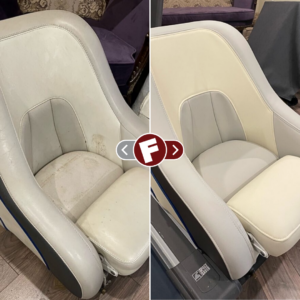
Because of this, the real decision usually comes down to replacement versus repair. Full replacement offers a fresh, like-new look and ensures all underlying materials are in good condition, but it can be expensive and time-consuming. On the other hand, repair is often more affordable and quicker, especially if the damage is minor or localized. Ultimately, the best option depends on the extent of the damage, the age of the upholstery, and the owner’s budget and long-term plans for the boat.
The High Cost of Replacement
Completely replacing marine upholstery is incredibly expensive. Custom boat seats are tailored to the exact dimensions of your hull. Ordering OEM (Original Equipment Manufacturer) replacement skins from the boat builder often takes months of waiting and costs thousands of dollars. Even hiring a local marine canvas shop to completely re-upholster your boat from scratch is a massive investment of both time and money.
The Efficiency of Boat Seat Repair
In contrast, boat seat repair is a fraction of the cost of replacement. Modern restoration technology has advanced to the point where vinyl, leather, and hard plastics can be seamlessly repaired, re-dyed, and re-textured.
- Cost Savings: Repairing a localized tear or re-dyeing a faded sunpad can save you up to 80% compared to the cost of replacing the entire piece.
- Time Savings: Replacements can take weeks or months. Professional repairs can often be completed in a single afternoon.
- Eco-Friendly: Every time you repair a boat seat instead of replacing it, you keep bulky, non-biodegradable plastics and foam out of the local landfill.
If the internal foam is still dry and structurally sound, and the damage is primarily cosmetic (fading, cracking, superficial tears, or stains), repair is almost always the superior choice.
The Professional Boat Seat Repair Process Explained
Have you ever wondered how professionals make a gaping hole in a vinyl seat seemingly disappear? The process of high-level boat seat repair is a blend of chemistry and artistry. Here is how the experts bring marine upholstery back to life:
Step 1: Deep Cleaning and Preparation
The repair area must be entirely free of dirt, body oils, sunscreen, and salt. Technicians use specialized marine-grade prep cleaners to strip the area down, ensuring that repair compounds and dyes will adhere properly to the vinyl or leather.
Step 2: Sub-Patching and Filling
If there is a hole or tear, the technician will insert a durable sub-patch behind the damaged vinyl to reinforce the area. Next, they use specialized, flexible heat-cured compounds to fill the void. Unlike regular putty, marine repair compounds are designed to flex and stretch with the seat as passengers move.
Step 3: Texturing
Marine vinyl isn’t perfectly smooth; it has a specific grain. To make the repair invisible, technicians use a graining process. They press a mold of the surrounding texture into the heated repair compound before it cools, perfectly replicating the original vinyl grain.
Step 4: Custom Color Matching and Dyeing
This is where true expertise shines. Professional technicians custom-mix premium dyes on-site to perfectly match the current, slightly faded color of your seats not the original factory color, which would stand out. The color is applied using professional airbrush equipment and sealed with a UV-resistant topcoat, protecting the repair from future sun damage.
DIY vs. Hiring a Professional: The Fibrenew Advantage
While it is tempting to pick up a cheap DIY vinyl repair kit at a local auto parts or marine supply store for a “quick fix,” these consumer-grade products are rarely engineered for the brutal realities of the marine environment. Most off-the-shelf kits rely on air-dry fillers that lack the high-level elasticity required for boat seats, which are constantly expanding and contracting with temperature changes and passenger weight.
Furthermore, these kits offer a “one-size-fits-all” approach to color and texture that often results in a patchy, mismatched finish. Without the professional-grade UV inhibitors and specialized heat-curing processes used by experts, DIY repairs tend to peel, crack, or discolor after just a few weeks of exposure to saltwater and direct sunlight. In many cases, a failed DIY attempt makes the original damage even harder and more expensive to professionally restore later on.
The Pitfalls of DIY Boat Seat Repair
DIY kits typically rely on air-drying pastes that shrink over time and lack the flexibility needed for marine seats. Furthermore, color matching with a standard DIY kit is nearly impossible; you usually end up with a highly visible, mismatched patch that looks like a band-aid. Without a proper UV topcoat, a DIY repair will quickly degrade under the marine sun, leaving you back where you started.
Why Trust Professional Restoration
When it comes to your boat, you want durability and seamless aesthetics. This is where professional services like Fibrenew excel. Fibrenew specializes in the repair, restoration, and renewal of marine leather, plastic, and vinyl.
Here is why opting for a professional marine restoration service is the ultimate game-changer:
- Expert Color Matching: Fibrenew technicians are trained artisans who can flawlessly match the exact hue of your existing upholstery. Whether fixing a single tear or re-dyeing an entire sun-faded captain’s chair, the results are seamless.
- Marine-Grade Materials: Professionals use exclusive, proprietary products designed to withstand harsh UV rays, saltwater, and extreme temperatures.
- Mobile Convenience: You don’t have to dismantle your boat and drag your seats to a shop. Services like Fibrenew are mobile; they come directly to your marina, dock, or driveway, performing the repairs on-site.
- Comprehensive Restoration: Beyond just seats, experts can restore vinyl boat trim, hard plastic dashboards, marine carpets, and engine enclosures.
By utilizing a professional restoration service, you are extending the lifespan of your interior, protecting your investment, and ensuring a flawless finish that DIY kits simply cannot provide.
Essential Maintenance Tips to Protect Your Marine Upholstery
Once your boat seat repair is complete and your interior looks flawless again, you want to keep it that way! Proper maintenance is the key to preventing future damage. Follow these best practices to protect your marine upholstery:
- Wipe Down After Every Use: Never put your boat away wet and salty. Always wipe down your vinyl seats with a clean, damp cloth and fresh water after a day on the water to remove abrasive salt and harsh sunscreen chemicals.
- Use Marine-Specific Cleaners: Avoid household cleaners that contain bleach, ammonia, or harsh detergents. These chemicals strip the plasticizers out of vinyl, accelerating cracking. Use a dedicated, pH-balanced marine vinyl cleaner.
- Apply UV Protectant Regularly: Just like your skin needs sunscreen, your boat seats need UV protection. Apply a high-quality marine UV protectant (like 303 Aerospace Protectant) every few weeks to restore moisture and block harmful sun rays.
- Ensure Proper Ventilation: When covering your boat, make sure the cover is breathable or properly vented. Trapped moisture under a tight cover will turn your boat into a greenhouse for mold and mildew.
- Invest in a Good Quality Cover: The single best way to protect your boat seats is to keep them out of the elements when not in use. A custom-fit, high-quality mooring cover is an essential investment for any boat owner.
Reclaiming Your Vessel: The Value of Boat Seat Restoration
Your boat is an investment in your lifestyle, your family, and your freedom. Don’t let faded, cracked, or torn upholstery diminish your experience on the water. Boat seat repair is the most intelligent, cost-effective, and environmentally friendly way to breathe new life into your marine interior.
By understanding the causes of damage and trusting professional restoration techniques like those offered by industry leaders who specialize in marine vinyl, leather, and plastics you can save thousands of dollars over replacing your seats. Keep your boat looking fresh, protect its resale value, and get back to enjoying the open water in comfort and style!
Start Your Professional Boat Seat Restoration Today
Don’t let damaged upholstery sink your boating season. If your marine vinyl, leather, or plastics are showing signs of wear, tear, or sun damage, it’s time to call in the experts. Contact your local professional marine restoration experts today to get a free estimate and discover how quickly and affordably we can bring your boat’s interior back to life!
Frequently Asked Questions (FAQs)
- Can cracked boat seats be repaired?
Yes, cracked boat seats can absolutely be repaired. Professionals use specialized marine-grade, heat-cured compounds to fill the cracks. The area is then re-textured to match the original grain of the vinyl and custom-dyed to blend flawlessly with the rest of the seat.
- How much does it cost to repair a boat seat?
The cost of boat seat repair varies depending on the severity of the damage, but it is typically a fraction of the cost of replacement. Minor repairs, such as fixing small tears or burns, can be highly affordable, whereas full re-dyeing or extensive crack repair will cost slightly more, but still saves you up to 80% compared to buying new seats.
- Is it better to repair or replace marine vinyl?
If the internal foam core of the seat is dry, free of deep mold, and structurally sound, repairing the marine vinyl is almost always better. It is significantly cheaper, faster, and more environmentally friendly than completely replacing the upholstery. Replacement is only necessary if the foam is severely rotted or the vinyl is disintegrating beyond repair.
- How do I stop my boat seats from cracking in the sun?
To prevent boat seats from cracking, you must protect them from UV radiation and keep the vinyl moisturized. Wipe seats down with fresh water after use, clean them only with marine-safe products, and apply a high-quality UV protectant spray every 3 to 4 weeks. Always keep the seats covered when the boat is not in use.
- Can you fix mold stains on boat seats?
Surface mold can often be cleaned, but deeply ingrained mold stains that have penetrated the vinyl’s topcoat usually cannot be washed away. However, professional marine restoration experts can prep, treat, and completely re-dye the affected area, making the seats look brand new and hiding the unsightly stains permanently.
- Does Fibrenew fix boat seats?
Yes, Fibrenew specializes in the repair, restoration, and renewal of marine leather, plastic, and vinyl. Their mobile technicians can fix sun damage, fading, cracks, rips, and mildew stains on boat seats, saving boat owners significant time and money compared to replacement.