prevent damage Tag

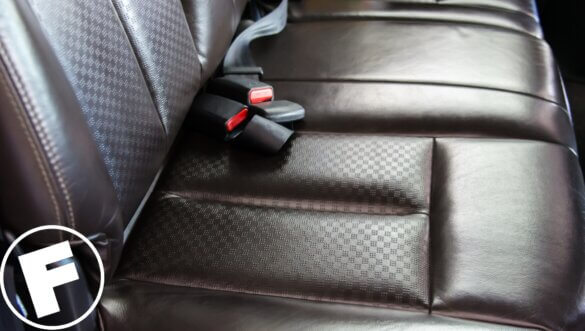
How to clean leather car and motorcycle seats

Posted: Oct 31, 2011By: FibrenewCategory: Cars, boats and planes, DIY, Leather Advice From the Pros

How often to clean car and motorcycle seats

We recommend that you clean and protect your car and motorcycle seats 6-8 times a year, cleaning seats that get used frequently the most and those that often go untouched less frequently.

Why you should clean your leather car and motorcycle seats

Dirt and oil collect on seats easily.  You usually can’t see this fine layer of mess, but it acts as an abrasive surface, making tiny scratches on and wearing down the top layer found on the vast majority of leather vehicle seats. Once that layer is worn down, the leather is more susceptible to all kinds of damage.

Also, leather is naturally very porous, so, once the protective layer has been worn down, it soaks up the dirt and oils left standing on its surface.  Even before you can see the effects of this damage, the leather is collecting the dirt and oil it soaks up on the back side of the leather.  Once there is enough on the back side, it will eventually seep to the front and discolor the leather.

What to use to clean leather car and motorcycle seats

Use a soft cleaner made specifically for leather.  You can get leather cleaners at most auto enthusiast shops, and Fibrenew franchisees all sell them.  Before you pick a cleaner, you should read our guide on leather cleaning products.

How to clean auto and bike seats

You should check out the directions on the bottles of the cleaner and protection cream you buy, but, generally speaking, you should:

  1. Squeeze leather cleaner on a clean sponge.
  2. Wipe your seats using a circular motion.  You don’t need to press down hard; just a gentle rub will suffice.
  3. Use a clean, dry cotton towel to dry off any excess cleaner.
  4. Use the same circular motion and a soft cotton cloth to apply protection cream to your couch.

Check out this video for a visual!

Post any additional questions in the comments, and we’d be happy to answer them for you!

DeliciousDiggStumbleUponShare

How to prevent sun damage to leather furniture

Posted: Aug 15, 2011By: FibrenewCategory: Home and Office, Leather Advice From the Pros

Leather furniture and upholstery will inevitably face some wear and tear throughout its life, and there are many types of damage you can’t avoid. However, sun damage is one problem that can definitely be prevented. Too much sunlight and heat will fade and/or dry out your leather.

Couch faded by the sun

Couch faded by the sun

Faded Leather

Fading is commonly seen in semi-aniline and aniline leathers, and it is less common in fully-finished leathers that have a protective topcoat. It’s a problem people frequently face, and, if you put your leather furniture next to a window that gets a lot of sunlight, you can see fading in as little as 4 to 6 months.

Dried Leather

Drying will occur with any type of leather. The sun’s heat slowly causes the moisture and natural oil in leather to evaporate.  Over time, if you don’t care for your leather properly, it will dry out and crack.

Badly cracked chair

Badly cracked chair

How to Prevent Sun Damage

One crucial step to preventing fading and cracking is to, if possible, keep your leather furniture out of direct sunlight. You can do all the right things to protect your sofa, but, if it’s directly in front of a sunny window, it is only a matter of time before the heat takes its toll. If you do need to place furniture in front of a window (we know, most people do), invest in some blinds to shade your furniture from the sun during the hottest, sunniest parts of the day.  Those blinds will be a lot cheaper than taking your leather upholstery to a professional for patching and re-dying later on down the road.

Another important precaution to take is to clean and protect your furniture 3-4 times a year with a leather conditioning kit. For tips, check out our post on how to clean and protect your leather.

On a final note, do not try to treat your leather with olive oil or any other type of oil—it will end up causing major damage in the long run.

Questions? Comments? We’d love to hear from you!

DeliciousDiggStumbleUponShare

Subscribe:

twitter facebook

Categories

Latest Tweets